

The MIL-STD-167/1 standard developed by the US Department of Defense includes test methods for detecting mechanical vibrations (type I environmental and type II internal) of ship equipment.
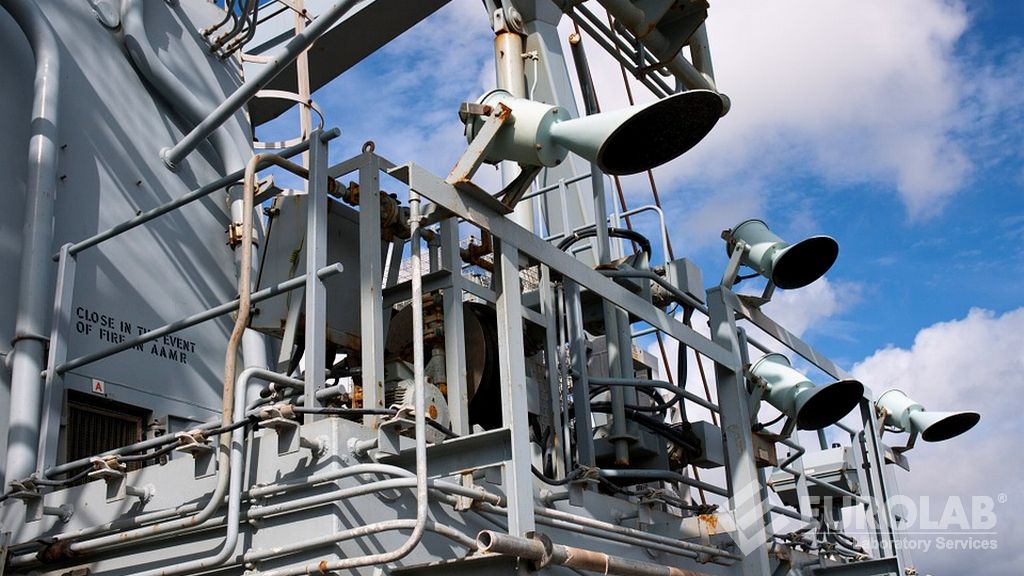
This standard describes the test procedures and requirements for determining the environmentally and internally induced vibrations of naval ship equipment conventionally installed on ships with shaft propulsion systems.
The test methods presented in this standard apply to shipboard equipment subject to mechanical vibrations from the environment or from internal excitation caused by unbalanced rotating components of naval ship equipment. Mechanical vibration tests for reciprocating machines and propulsion system and shaft lateral and longitudinal vibrations are described in the MIL-STD-167-2 standard.
Vibration types covered by the MIL-STD-167/1 standard are:
In the test procedures defined in this standard, the equipment is subjected to the following tests:
Navy ship programs and applications require a robust server or workstation certified to MIL-STD-167-1 vibration standards.
Wherever the mission-critical server goes, it encounters vibrations along the way (during shipping, and perhaps even operating status). When a military computer experiences certain levels of vibration, it may exhibit functional and structural failures if it has not been tested to meet MIL-STD-810 military vibration standards.
But what the MIL-STD-810 standard doesn't specifically address are rugged computers and system components installed on navy ships. These are covered under the MIL-STD-167-1 standard.
The MIL-STD-167-1 standard is a military standard issued by the US Department of Defense and used by test engineers to evaluate the effect of mechanical vibrations on navy ship equipment and components, including rugged servers and workstations.
The test methods presented in this standard are applicable to any naval ship equipment subject to mechanical vibrations from the environment as well as internal excitation caused by unbalanced rotating components. In fact, any equipment or rugged computer system traditionally intended to be installed on naval ships powered by shaft propellers must pass the tests described in the MIL-STD-167-1 standard before being installed.
However, the MIL-STD-167-1 standard is for testing environmental vibration occurrences on the ship, not the ship's propulsion system or shaft vibrations.
Our organization, among the numerous test, measurement, analysis and evaluation studies it has given for businesses in various sectors, with its trained and expert staff and advanced technological equipment, within the scope of MIL-STD-167/1 standard, it is able to detect mechanical vibrations (type I environmental and type II) of ship equipment. It also provides testing services to detect internal
To get an appointment, to get more detailed information or to request an evaluation, you can ask us to fill in our form and reach you.

