

The “MIL-A-8625F Military Specifications: Anodic Coatings for Aluminum and Aluminum Alloys” standard, a military standard developed by the United States Department of Defense, describes the requirements for six types and two classes of electrolytically formed anodic coatings on aluminum and aluminum alloys for non-architectural applications.
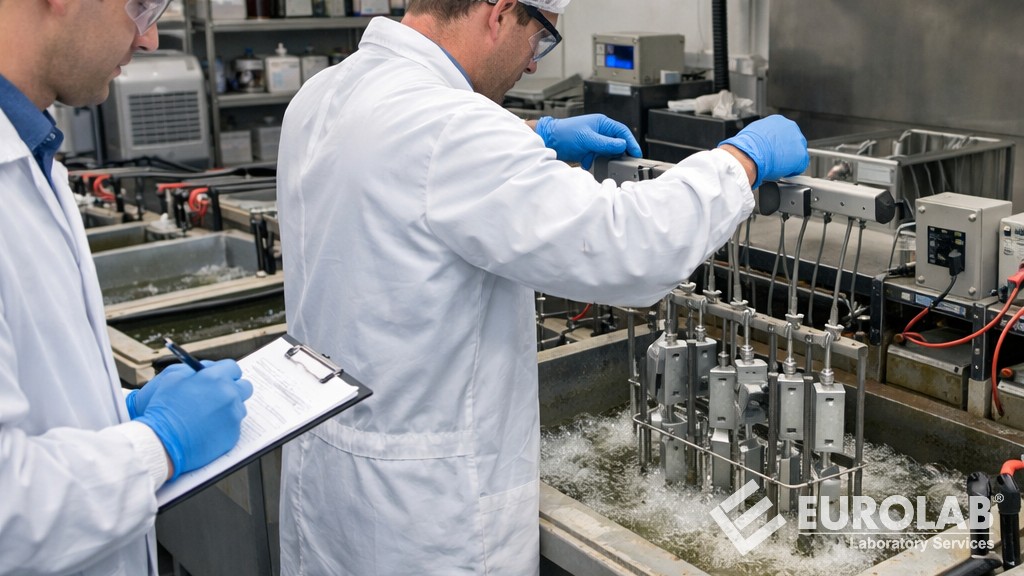
The types of anodic coatings covered by this standard are as follows:
The anodic coating classes covered by this standard are as follows:
In the aerospace, defense, and high-performance manufacturing industries, protecting aluminum components from corrosion and wear is paramount. This is where the MIL-A-8625F standard comes in, defining the requirements for electrolytic anodic coatings (commonly known as anodizing) on aluminum and its alloys. Originally created to ensure uniformity and reliability in military applications, this standard has become a cornerstone for industries requiring durability in harsh environments. Whether it's aircraft parts resistant to extreme weather conditions or structural components in marine vessels, the MIL-A-8625F standard sets the gold standard for surface treatments that increase longevity without sacrificing performance.
The MIL-A-8625F standard replaced its predecessor, the MIL-A-8625E standard, and remains valid today with the updates made. This standard is designed for non-architectural uses and focuses on functional advantages such as corrosion resistance and wear protection rather than purely aesthetics.
Anodizing is not painting or coating; it is an electrochemical process that thickens the natural oxide layer on aluminum, making it harder, thicker, and more resistant to corrosion. The metal acts as the anode in an electrolytic cell where an acid bath (usually chromic or sulfuric) facilitates the growth of this protective layer. The result is a porous coating that can be painted, sealed, or left as is, while maintaining tight dimensional tolerances.
The MIL-A-8625F standard standardizes this process to ensure consistency among suppliers and applications. It is vital, especially in military environments where failure is not an option, such as in fighter aircraft or missile bodies exposed to saltwater, fuels, and mechanical stress.
The MIL-A-8625F standard categorizes coatings into six types, each tailored to specific needs based on the electrolyte used, thickness, and intended application.
The types of anodic coating are as follows:
These types offer flexibility: Type I excels in aerospace due to its low impact on part dimensions, while Type III's hardness (60-70 Rockwell C) makes it ideal for abrasive conditions.
All types of coatings are divided into two classes:
Sealing (usually with hot water, dichromate, or nickel acetate) is crucial for all grades to close pores and improve corrosion resistance.
Monthly tests are mandatory for approval and include the following:
From fighter jet fuselages to submarine hulls, coatings conforming to the MIL-A-8625F standard prevent failures that could cost lives or missions. In the aerospace industry, Type I minimizes weight while preventing galvanic corrosion. Defense electronics benefit from the electrical insulation properties of Type II. Even commercial sectors like automotive prototyping adopt Type II for its proven reliability.
In short, the MIL-A-8625F standard standardizes anodizing, combining innovation and reliability, and ensuring aluminum performs at the most critical moments.
For many years, our organization, with its competent and experienced staff, has been understanding the needs of its clients, providing the advanced testing services they require, and assisting in the establishment, implementation, and improvement of management systems. Within this framework, we also provide testing services to businesses in accordance with the "MIL-A-8625F Military specifications: Anodic coatings for aluminum and aluminum alloys" standard.
To get an appointment, to get more detailed information or to request an evaluation, you can ask us to fill in our form and reach you.

