

The procedures described in the standard "SAE USCAR2-7 Performance specifications for automotive electrical connection systems" developed by the Society of Automotive Engineers (SAE) are intended to cover performance testing of electrical terminals, connectors, and components that comprise electrical connection systems for low voltage (0 to 20 Volts DC) on-road vehicle applications during all phases of development, manufacturing, and field analysis. These procedures apply only to terminals used for in-line, header, and device connector systems. This standard does not apply to edge panel connector systems, twist-lock connector systems, minimum 20 Volt AC or DC, or ring terminals.
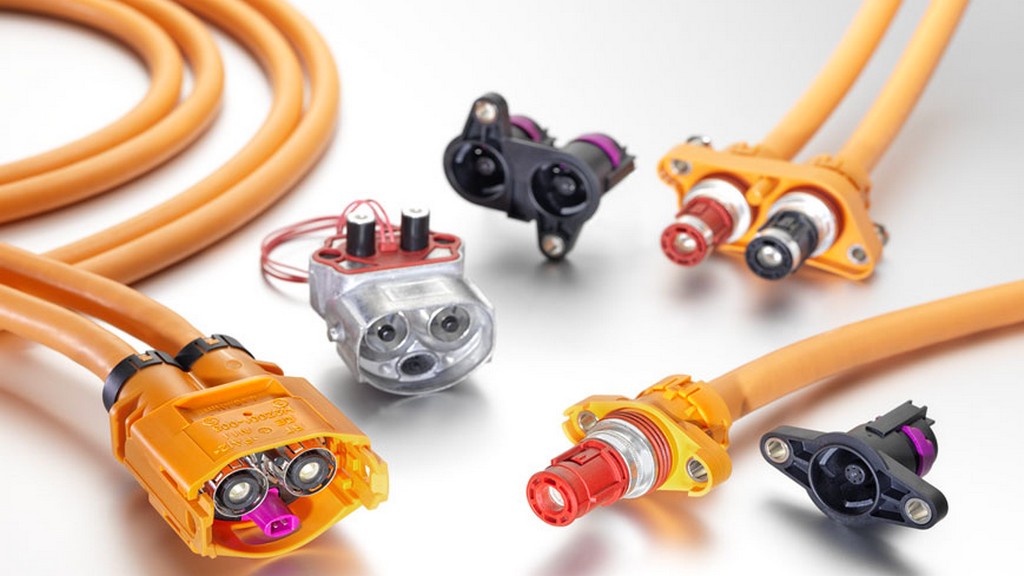
No electrical connector, terminal or related component can be claimed to meet USCAR standards unless compliance with all applicable requirements of this standard has been verified and documented. All necessary verification and documentation must be performed by the supplier of the part or parts. If testing is performed by another source, this does not relieve the primary supplier of the responsibility for documentation of all test results and verification that all tested samples meet all applicable acceptance criteria.
If products tested to this standard are subjected to conditions beyond those described in this document, they must undergo specific tests simulating the actual conditions that will be encountered before they can be considered acceptable for actual vehicle applications. The authorized person has the final authority on what tests are to be performed on his or her parts and the purpose for which those tests are necessary. He or she also has the final authority to resolve all questions regarding testing to this standard and to authorize any variations from the equipment or procedures contained in this specification. Any such deviations must be documented and included in the final test report. Guidance on recommended tests for selected purposes is included in the standard appendices (Annex C and Annex D).
The tests in each section shall be performed in the order given unless otherwise specified in the test request/order. Construction details for selected test fixtures and equipment are described in this standard. For the purposes of this standard, there are only two types of electrical connectors: sealed and unsealed.
The general requirements in this standard are given as follows:
Major tests performed under this standard include:
Among the numerous testing, measurement, analysis and evaluation studies that our organization has carried out for businesses in various sectors, it also provides testing services defined in the “SAE USCAR2-7 Performance specifications for automotive electrical connection systems” standard with its trained and expert staff and advanced technological equipment.
To get an appointment, to get more detailed information or to request an evaluation, you can ask us to fill in our form and reach you.

