MIL-STD-810G Method 505.6 Sunlight (Sunlight) Test
The purpose of this test is to evaluate the thermal effects of direct sunlight and the effects of photochemical (light decay) rays of direct sunlight on ammunition.
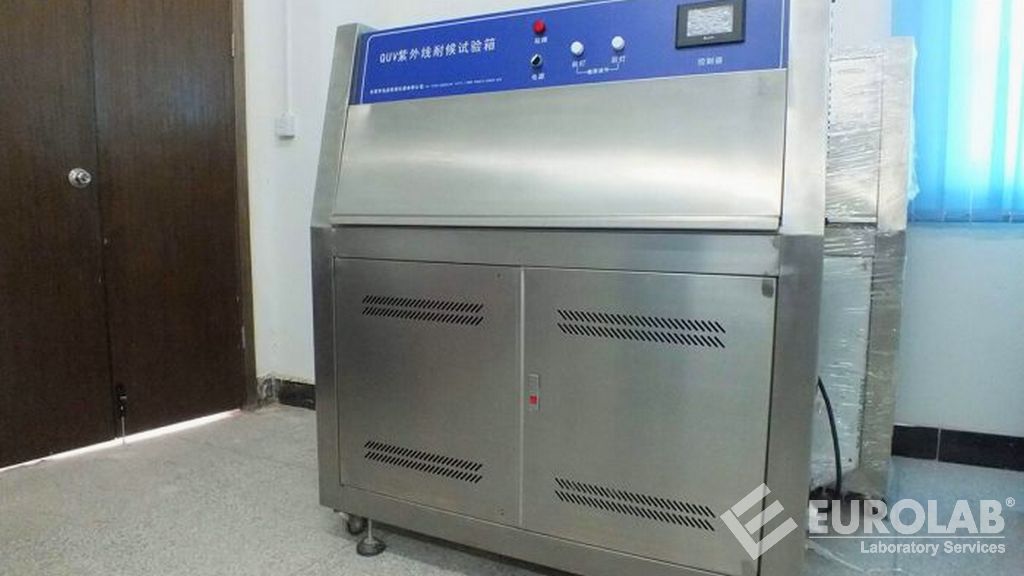
Effects: The effects of solar radiation on ammunition, etc., are broadly divided into two categories: thermal effects and actinic radiation effects, the details of which are as follows.
A. Thermal effect
- Clogging or loosening of moving parts.
- Weakening of soldered joints and bonded parts.
- change in strength and flexibility.
- Failure of the connecting device or loss of measurement.
- Reduced thread integrity.
- Changes in electrical or electronic components.
- Early activation of electrical contact.
- Changes in the properties of elastomers and polymers.
- Lamination of adhesive surfaces such as paints, composites and radar absorbing materials (RAM)
- blistering, peeling and cracking.
- Softening of magnetic compounds.
- pressure change.
- Moisture distribution in mixtures and explosives.
- Difficulty in processing.
B. Actinic Effects
- Fabric and plastic are fading.
- Checking, chalking and fading of paint.
- Decay of natural and synthetic elastomers, polymers, by shorter wavelength radiation-induced photochemical action.
Procedure selection: There are two procedures for sun exposure, as follows.
- Procedure I (Cycling for heating effects)
- Procedure II (Steady State for actinic effects) 1120 W/m2 (355 BTU/ft2/hr) and 49 °C (120 °F).
Test request conditions
The following items will be cited as useful information when requesting a test.
- The temperature of the test item
- Exposure time (continuous or period of time) .
- Exposure duration, exposure cycle X number of exposures (continuous or duration X number of cycles).
Example) 1. MIL-STD-810G, Method 505.6 Solar Irradiation (Sunlight), Procedure No., Temperature and Exposure Time, Number of Cycles
Note (example) Temperature during irradiation: 55°C Temperature without irradiation: 4 hours Night temperature: -20°C Humidity during test: ambient humidity Exposure time: 240 hours Radiation intensity: 1125W/m²



