
MIL-DTL-24441 Detailed Specifications - Paint, Epoxy-Polyamide, General Characteristics

MIL-DTL-24441 Detailed Specifications - Paint, Epoxy-Polyamide, General Characteristics

MIL-DTL-24441 Detailed Specifications: Paint, Epoxy-Polyamide, General Characteristics
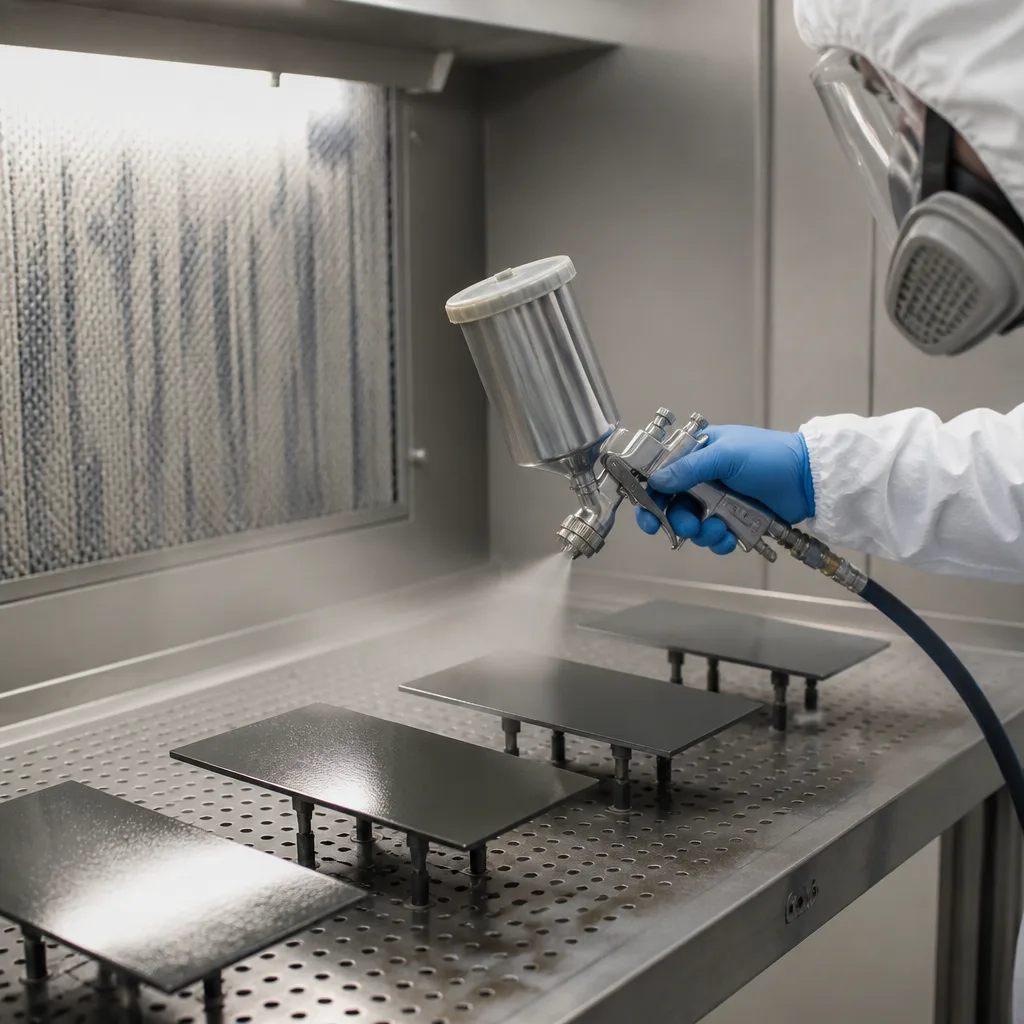
MIL-DTL-24441 Detailed Specifications - Paint, Epoxy-Polyamide, General Characteristics

MIL-DTL-24441 Detailed Specifications: Paint, Epoxy-Polyamide, General Characteristics, a military standard developed by the United States Department of Defense, covers a series of two-component epoxy-polyamide paints designed to protect metal and plastic surfaces from environmental effects.

The paints covered by this specification shall be of the following types, as indicated:

  • Type III - A three-layer system for use where air pollution regulations limit volatile organic compound (VOC) content of dye to less than 340 grams per litre (2,8 pounds per gallon).
  • Type IV - A two-coat system for use where air pollution regulations limit VOC content to less than 340 grams per litre (2,8 pounds per gallon) of paint.
  • Type V - A two-layer system for use where air pollution regulations limit VOC content to less than 250 grams of solvent per litre (2,08 pounds per gallon).

MIL-DTL-24441 is a military specification that defines the requirements for two-component epoxy-polyamide protective coatings used to protect metal and composite surfaces from corrosion, moisture, chemicals, and harsh marine environments. This standard is widely recognized in the marine, offshore, and heavy industrial sectors due to its proven long-term durability under demanding service conditions.

Originally developed for U.S. Navy ships, this standard has become a reference specification for high-performance epoxy coating systems used on ships, submarines, offshore platforms, port equipment, and industrial infrastructure.

The primary purpose of the MIL-DTL-24441 standard is to ensure that protective coatings provide the following:

  • To prevent corrosion of steel and aluminum structures.
  • To resist immersion in seawater.
  • To provide protection against chemicals and industrial pollutants.
  • To withstand mechanical wear and tear.
  • Providing a long service life with minimum maintenance.
  • Maintaining coating integrity in aggressive marine environments.

This standard, instead of specifying a single paint formulation, provides detailed performance requirements, enabling qualified manufacturers to develop compliant products.

The MIL-DTL-24441 standard covers epoxy-polyamide paint systems designed to protect surfaces exposed to the following conditions:

  • marine environment
  • Salt spray
  • High humidity
  • Industrial chemicals
  • Balast tankları
  • Cargo tanks
  • Machine bays
  • Ship exterior structures
  • Offshore facilities

This specification applies to coatings used in:

  • Carbon steel
  • Aluminum
  • fiberglass
  • Other approved surfaces

These coatings are generally used as follows, depending on the chosen coating system:

  • primers
  • Mezzanine floors
  • Top floors
  • Dip coatings

The MIL-DTL-24441 standard specifies coatings obtained by combining epoxy resin with a polyamide curing agent. This chemical coating provides the following:

  • Excellent adhesion
  • Superior corrosion protection.
  • High chemical resistance
  • Strong mechanical durability
  • Good wear resistance.
  • Excellent water resistance.
  • Long-term performance under immersion.

After curing, the coating forms a dense, cross-linked protective film that resists moisture penetration.

The specifications include numerous qualification and verification tests:

  • Corrosion resistance: Coatings must withstand long-term corrosive environments without exposure to the following conditions:
    • Rust formation
    • blistering
    • Peeling
    • Layer separation
  • Adhesion: The paint system has been prepared after being exposed to the following conditions.
    • Su
    • Salt spray
    • Exposure to weather conditions
    • Mechanical stress
  • Chemical resistance: Coatings conforming to this standard are evaluated for resistance to the following substances:
    • oils
    • Hydraulic fluids
    • Cleaning chemicals
    • Fuel
    • solvents
    • sea ​​water
  • Immersion resistance: Since many applications involve continuous immersion, coatings must withstand prolonged contact with water without losing their adhesion or protective properties.
  • Abrasion resistance: The cured coating must withstand the following conditions:
    • Equipment movement
    • Pedestrian traffic
    • Cargo handling
    • Mechanical impacts
  • Flexibility: Despite their rigidity, coatings must withstand limited surface movement without cracking.
  • Environmental compatibility: The latest revision of this standard has introduced requirements aimed at reducing hazardous substances by supporting formulations with the following characteristics:
    • Unleaded
    • Chromate-free
    • Asbestos-free
    • Free of hazardous air pollutants
    • VOC compliant where required.

These changes bring the specification into compliance with modern environmental and occupational safety regulations.

In terms of quality requirements, manufacturers cannot simply claim compliance. Products must successfully complete quality tests that include the evaluation of the following:

  • Physical properties
  • Chemical resistance
  • Weather resistance
  • Salt spray resistance
  • Adhesion
  • Film integrity
  • Storage stability
  • Mixing properties
  • Application features

Qualified products are listed in the U.S. Department of Defense qualified products database for procurement.

Coatings conforming to the MIL-DTL-24441 standard are commonly used in the following areas:

  • Maritime vessels:
    • trunks
    • Decks
    • Partition walls
    • Balast tankları
    • Machine rooms
    • Internal compartments
  • Offshore structures:
    • Oil platforms
    • Wind turbine fundamentals
    • Offshore support vessels
  • Port infrastructure:
    • cranes
    • Steel scaffolding
    • Loading equipment
    • Dock structures
  • Industrial facilities:
    • Chemical plants
    • refineries
    • Water treatment plants
    • Storage tanks
  • Transportation equipment
    • Marine equipment
    • Heavy machinery
    • Military vehicles
    • Defense support equipment

Organizations prefer coating systems that conform to the MIL-DTL-24441 standard for the following reasons:

  • Exceptional corrosion protection.
  • Long maintenance intervals
  • Excellent chemical resistance
  • High mechanical strength
  • Proven maritime performance.
  • Reliable adhesion
  • Reduced lifecycle costs
  • Compatibility with multi-layered protective systems.

The MIL-DTL-24441 standard is frequently used in conjunction with other military coating specifications, including:

  • MIL-PRF-23236: High-solids epoxy coatings
  • MIL-PRF-24635: Silicone alkyd heat-resistant coatings
  • MIL-PRF-24647: Water-based epoxy coatings
  • MIL-PRF-24667: Non-slip deck coating systems

Each specification addresses different environmental conditions and performance requirements.

Corrosion remains one of the most costly maintenance problems for marine and industrial assets. Steel structures exposed to seawater deteriorate rapidly without adequate protection. The MIL-DTL-24441 standard helps to provide a standardized approach for coating selection, qualification, and performance verification.

  • Extending the service life of equipment
  • Reducing maintenance costs
  • Improving operational readiness
  • Reducing the risk of structural failure.
  • Consistent coating quality among suppliers.

Its emphasis on quality products and rigorous testing makes this standard a reliable specification for demanding applications.

In conclusion, the MIL-DTL-24441 standard is one of the most important US military specifications for epoxy-polyamide protective coatings. Primarily developed for marine applications, this specification defines stringent performance requirements for coatings that must withstand prolonged exposure to corrosion, chemicals, abrasion, and harsh marine environments.

For many years, our organization, with its competent and experienced staff, has been understanding the needs of its clients, providing the advanced testing services they require, and assisting them in the establishment, implementation, and improvement of management systems. Within this framework, we also provide testing services compliant with the MIL-DTL-24441 standard.

WhatsApp

