MIL-STD-662F Military Standard: V50 Ballistic Test for Armor
Developed by the United States Department of Defense, the standard "MIL-STD-662F Military Standard: V50 Ballistic Test for Armor" describes general guidelines for procedures, equipment, physical conditions, and terminology for determining the ballistic resistance of metallic, non-metallic, and composite armor against small arms projectiles. The ballistic testing procedure described in this standard determines the V50 ballistic limit of the armor.
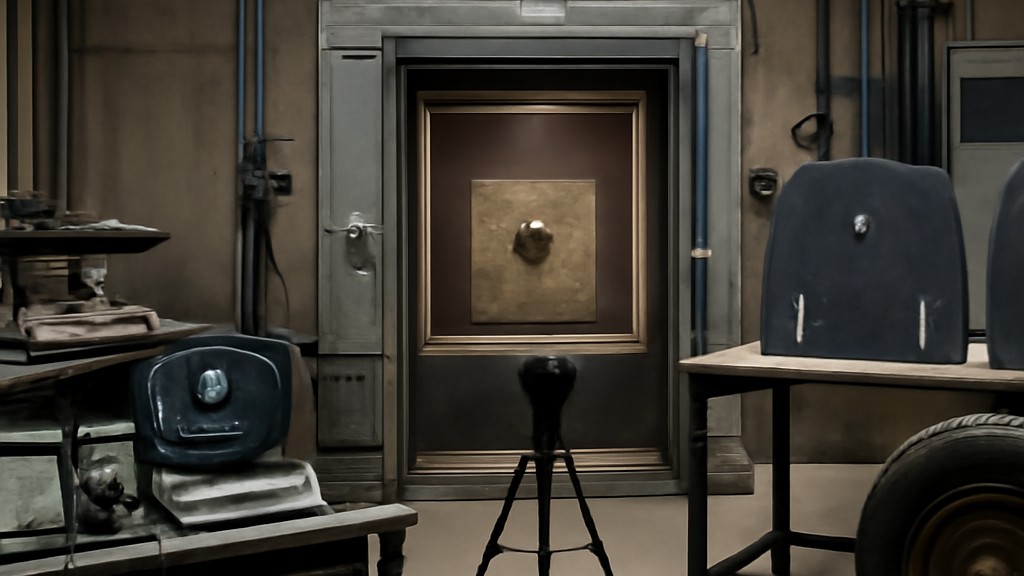
This standard is designed for use in ballistic acceptance testing of armor and in the research and development of new armor materials. This ballistic test method is applicable to the following armor types:
- Body armor
- Armored seats for aircraft and land vehicles
- Crew station armor for military aircraft
- Internal and external armor for aircraft
- Transparent armor such as windows, windshields, and vision blocks for aircraft and ground vehicles
- Bulkhead armor for shipboard use
- Structural or integral armour for use on ship exteriors
- Armor for military tactical shelters
- Visors for eye and face protection
- Armor for potential space applications
- Armor for light and heavy combat vehicles and structures
The limitations of this standard are determined as follows:
- When specified by the procurement activity, ballistic acceptance of armor may be based on pass/fail or accept/reject criteria other than the V50 BL(P) ballistic limit method included herein.
- Military activities or DoD contractors may use in-house ballistic testing facilities and equipment not covered by this standard (see MIL-STD-1161).
- This standard does not preempt or replace armor specification ballistic testing procedures.
- Unique requirements for ballistic testing of specific end products not covered by this standard should be specified in the contract.
The general requirements in this standard are stated as follows:
- Projectile: The test projectile must be of the type and caliber specified in the contract. Unless otherwise specified, millimeters are used to designate the caliber of projectiles. The table provided in the standard shows the velocities (expressed in feet per second) of various projectiles at specific target distances.
- Weapon: Weapons used in ballistic test firing must be capable of firing the appropriate projectile within the specified V50BL(P) velocity range within the deviation limits. Unless otherwise specified, millimeters are used to determine weapon caliber.
- Speed measuring equipment:
- Chronograph: An electronic counter type chronograph is used that measures at least to the nearest microsecond (10-6 seconds).
- Detectors: High-speed light screens or electrical contact screens are used, which open or close an electrical circuit when a bullet passes through the detector. Contact screens may consist of metal foils separated by a thin layer of insulation or a printed circuit on paper with a gap so that a bullet passing through the screen breaks the circuit. Chronographs or electronic timers used must be calibrated and certified for accuracy. If accuracy certification is not provided, two pairs of speed screens and two chronograph counters should be used. This system allows the average projectile velocity between each pair of screens to be calculated. The difference between the two measured velocities should be 3 m/s or less, which provides greater accuracy in determining the true average velocity.
- Radar: Doppler radar is occasionally used to control light displays.
- Propellant: Any standard or suitable propellant for the weapon must be used. Before any testing, a projectile velocity-propellant charge curve must be determined for the weapon. This curve is necessary to provide a basis for selecting a powder charge to achieve the desired velocity. It is recommended that the propellant storage and weighing area be maintained at a temperature of 19-24 degrees Celsius and a relative humidity of 50 percent plus/minus 5 percent.
- Test Specimen Mount: The armor test specimen should be secured to the test target mount with the impact side perpendicular to the projectile's flight path. Frame supports, clamps, or mounting fixtures must be capable of holding the specimen and withstanding the shock from the test projectile's ballistic impact. The test specimen mount should be adjustable to allow the specimen to be moved vertically or horizontally, allowing the impact point to be located anywhere on the specimen and zero-degree oblique impacts to be achieved anywhere on the specimen. The test specimen mount should be capable of rotating about the vertical or horizontal axis to accommodate various oblique angles of attack. Test specimens should be mounted with a rigidity equal to or greater than that of the actual assembly of the part.
- Test sample: The sampling plan for ballistic acceptance tests must be specified in the contract.
This standard is particularly important for evaluating personal body armor, vehicle armor, and protective materials used in defense applications. It is also important for the following reasons:
- Defines critical protection thresholds (V50): The V50 value is crucial for determining armor effectiveness. It measures the armor's ability to stop or slow down projectiles and helps compare different materials or designs.
- Provides standardized testing methodology across defense programs: This standard provides a uniform and repeatable method that ensures consistent results across military suppliers, laboratories, and development programs.
- Supports material and product development: By knowing a material's V50 value, manufacturers and researchers can optimize designs to increase performance while balancing weight, cost, and flexibility.
- Used in quality assurance and acceptance testing: Helps military agencies verify that armor products meet contract specifications and provide adequate protection in combat environments.
- Applicable to a wide variety of armor systems: The MIL-STD-662F standard is commonly used for:
- Personal body armor (e.g. helmets, vests)
- Vehicle armor (e.g. tanks, mine-resistant ambush-protected vehicles)
- Transparent armor (e.g. bulletproof glass)
- Projectile types and calibers are specified: The basic elements of this standard include:
- Support materials and support conditions are standardized.
- The number of shots and data required to calculate V50 are summarized.
- Includes valid, partial and full penetration criteria.
In short, the MIL-STD-662F standard is essential in the defense industry because it provides a reliable method for measuring the effectiveness of armor materials against ballistic threats. Its role in ensuring safety, performance verification, and quality control makes this standard a fundamental element in military armor testing.
Our organization, which has been supporting businesses across all sectors for years through a wide range of testing, measurement, analysis, and evaluation activities, has a strong team of employees who closely follow global developments in science and technology and are constantly improving themselves. In this context, we also provide testing services in accordance with the "MIL-STD-662F Military Standard: V50 Ballistic Test for Armor."



