

Materials designed for NATO forces according to the STANAG 2895 standard, a NATO standardization agreement ,
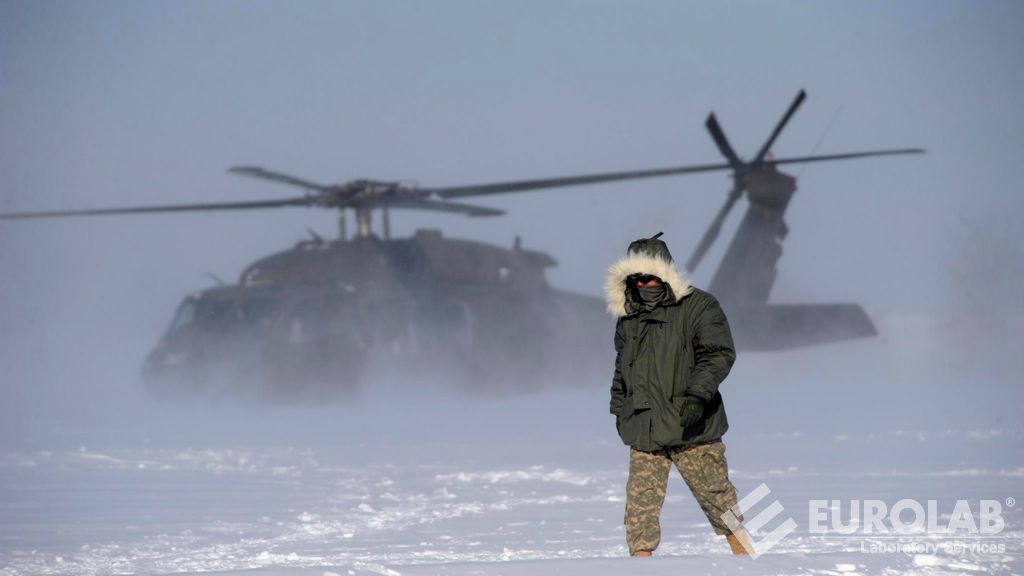
NATO members are themselves responsible for adapting to climate change, but the alliance must act collectively. In this regard, NATO needs to comprehensively recognize changes in environmental conditions, respond to climate change and adapt its capabilities. The STANAG 2895 standard emerged from this need. Climate change and extreme weather conditions have important military implications for NATO at tactical, operational and military-strategic levels. This standard is in response to the challenges posed by climate change.
With the industrialization movement, measurements of the anthropogenic (i.e. man-made) increase in the concentration of greenhouse gases indicate that components of the climate system (i.e., the atmosphere, oceans, and land and ice masses) have been significantly global warming over several decades. Climatic movements are constantly changing, which causes fluctuations at different time scales.
For NATO, this means the environment in which it will operate in the future will change dramatically. If NATO is to remain effective in ensuring security, it needs to understand the effects of climate change and adapt its strategies and capabilities accordingly. This necessity applies to NATO's air operations, naval operations, land operations, and space operations. Given the serious obstacles that climate change poses to military operations, it could be argued that it is already overdue.
Among the numerous test, measurement, analysis and evaluation studies it has given for businesses in various sectors, our organization, with its trained and expert staff and advanced technological equipment, is used in the definition of design / test criteria for NATO forces material within the scope of STANAG 2895 standard, to extreme climatic conditions and derived conditions. It also provides testing services for
To get an appointment, to get more detailed information or to request an evaluation, you can ask us to fill in our form and reach you.

