

The MIL-PRF-16173E Performance specification: Corrosion inhibitor compound, solvent-diluted, cold application standard, developed by the United States Department of Defense, covers solvent-dispersed corrosion inhibitor compounds that form thin, easily removable films after solvent evaporation.
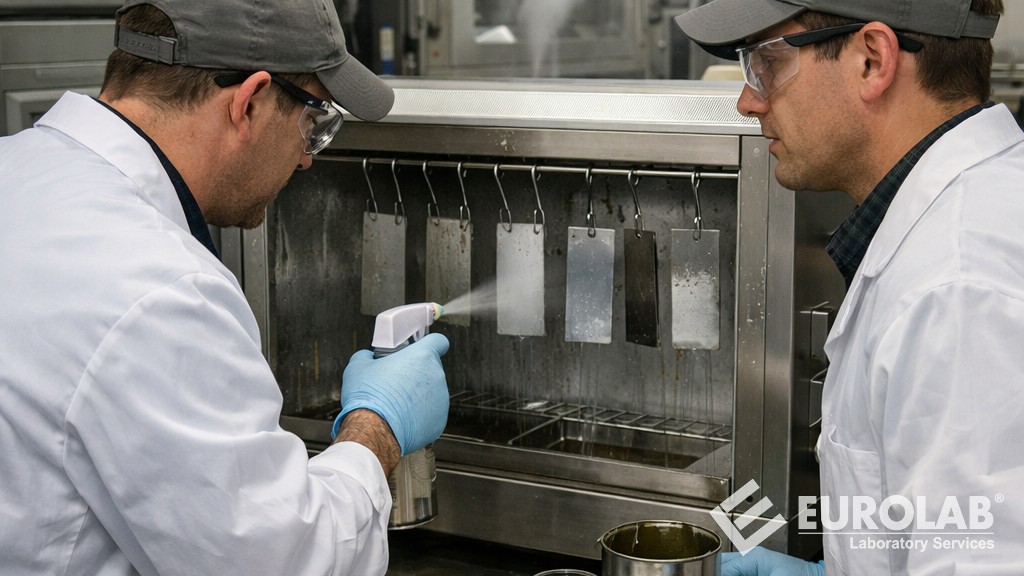
The corrosion inhibitor compound specified in this standard must be a product approved by the competent authority to be included in the relevant list of qualified products at the time the contract is signed.
Unless otherwise specified, preservatives should conform to the classification set forth herein. The choice of class and grade of preservatives should be based on the specific application, removal, or use without damaging the particular elements to which they are applied.
The corrosion inhibitor compound shall consist of a non-volatile base material dispersed in a petroleum solvent to form a fluid formulation conforming to this specification. The compound shall be homogeneous and free from sand, abrasives, water, chlorides, or other impurities.
The MIL-PRF-16173E standard is widely referenced and actively used for qualified products, as of the latest updates to the qualified product list.
This specification covers solvent-dispersed corrosion inhibitors (rust inhibitors). These are cold-applied products dispersed in petroleum solvents. After application, the solvent evaporates, leaving a thin, easily removable protective film on metal surfaces.
These compounds protect ferrous and non-ferrous metals from corrosion during storage, shipment, or exposure to harsh environments (indoor, enclosed, outdoor, or marine conditions). They are commonly used in military equipment, aircraft, vehicles, machinery, bearings, tools, and weapon systems to prevent rust and extend their service life.
Products within the scope of MIL-PRF-16173E are classified by class (based on volatile organic compound, VOC content) and grade (based on film properties after solvent evaporation):
The corrosion inhibitors covered by this specification are available in the following classes and grades:
Products must meet stringent requirements for film properties, corrosion resistance (e.g., salt spray clocks), sprayability, storage stability, low-temperature adhesion, and ease of removal.
The basic requirements are determined as follows:
The MIL-PRF-16173E standard is used in the following areas:
This specification provides reliable, standardized protection in challenging defense scenarios by balancing performance, safety, and environmental considerations.
The MIL-PRF-16173E standard was developed primarily because corrosion is one of the most persistent and costly threats to military equipment and readiness. In a defense context, unprotected or inadequately protected metal surfaces on aircraft, ships, vehicles, weapon systems, precision instruments, bearings, and machinery can rapidly degrade, especially in harsh operational environments such as exposure to saltwater, high humidity, extreme temperatures, salt spray during overseas shipments, or prolonged storage.
Without a standardized, rigorously tested specification like this, the U.S. Department of Defense faces inconsistent levels of protection among suppliers, leading to:
This specification is deemed necessary for the following reasons:
In conclusion, military assets operate in uniquely challenging conditions where generic commercial corrosion inhibitors often fail. The MIL-PRF-16173E standard guarantees that corrosion inhibitor compounds are battle-tested, environmentally friendly, safe, and consistently effective, protecting defense investments and ensuring operational reliability when it is most needed.
For many years, our organization, with its competent and experienced team, has been understanding the needs of its clients, providing the advanced testing services they require, and assisting them in the establishment, implementation, and improvement of management systems. Within this framework, we also provide testing services compliant with the MIL-PRF-16173E standard.
To get an appointment, to get more detailed information or to request an evaluation, you can ask us to fill in our form and reach you.

