

The primary purpose of the STANAG 1307 standard, a NATO standardization agreement , is to define the maximum electromagnetic field generated by radio and radar encountered by personnel, ammunition, and equipment containing electroexplosive devices and incendiary materials in NATO maritime operations. Details of the electromagnetic field generated by radio and radar are included in the standard's annex.
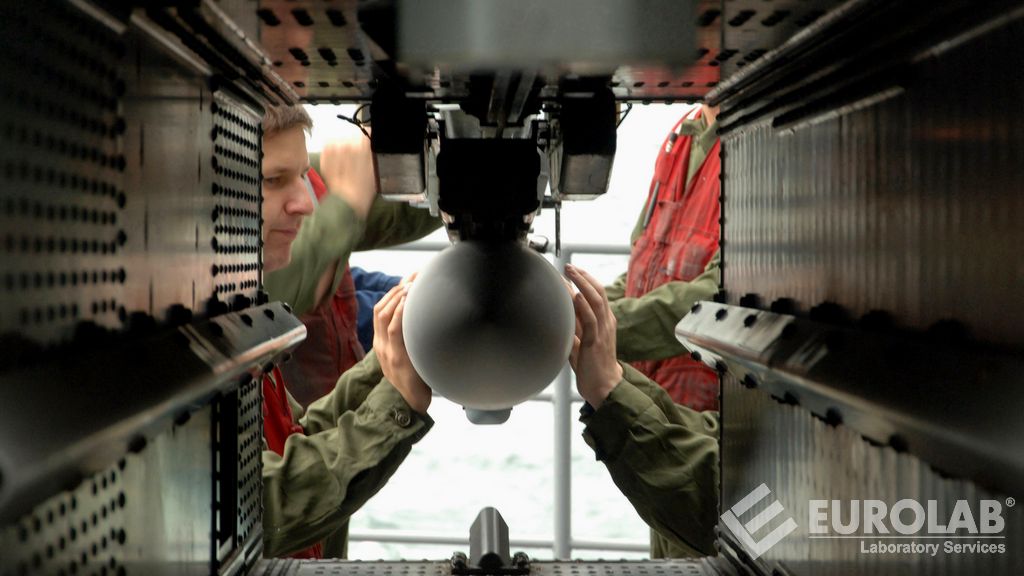
The purpose of the STANAG 1307 standard is to standardize safety design requirements for firing systems for operational and training munitions for use by NATO forces.
These fuzing systems include all devices that meet:
Where applicable, these systems recognize and specify the conditions under which the ammunition load is intended to be disarmed, sterilized or self-destructed.
This standard describes the safety design requirements as follows:
Fuzing systems must incorporate at least two safety features. The control and operation of these safety features must be functionally isolated from other processes within the ammunition system, and each must prevent unintentional activation of the firing system. At least two of the safety features must be independent and designed to minimize the probability of a single cause of failure. All components must be selected to be compatible and stable in an unarmed system under the natural and induced environmental conditions specified in the lifecycle.
Our organization, among the numerous test, measurement, analysis and evaluation studies it provides for businesses in various sectors, also provides test services for the maximum NATO marine operational electromagnetic environment produced by radio and radar within the scope of STANAG 1307 standard, with its trained and expert staff and advanced technological equipment.
To get an appointment, to get more detailed information or to request an evaluation, you can ask us to fill in our form and reach you.

