

The "NATO AEP 64 Performance requirements for chemical and decay-resistant paint systems for the protection of land military equipment" standard, published within the scope of military standards of NATO member countries, addresses the performance requirements for the protection of land military equipment by paint systems with the following functions:
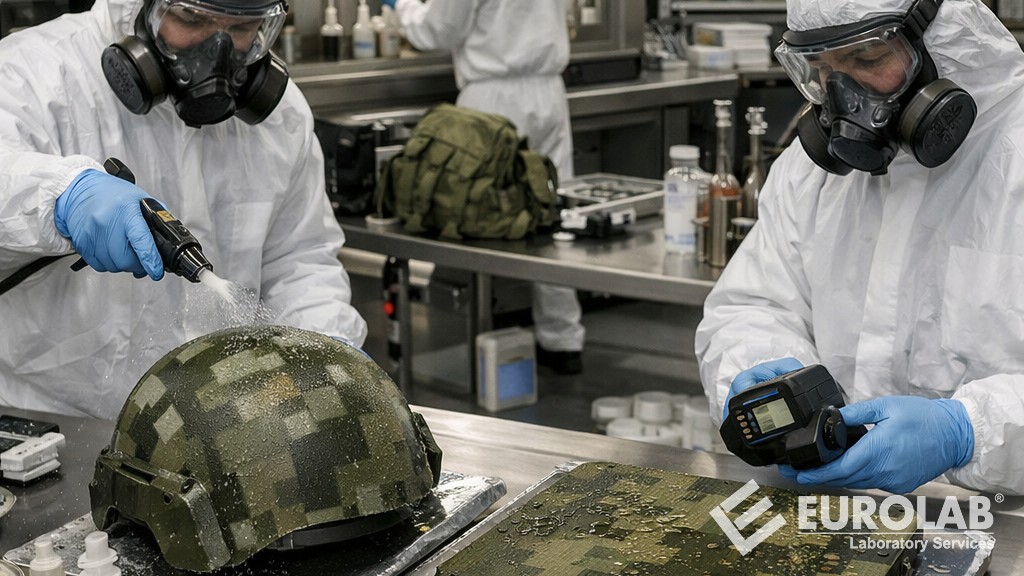
This standard defines the minimum requirements that paint systems must meet, with particular reference to the following:
In an era where chemical warfare remains a constant risk on modern battlefields, the North Atlantic Treaty Organization (NATO) continues to prioritize robust defensive measures for the equipment of its member states. At the heart of these efforts is the NATO AEP 64 standard, a critical allied engineering publication outlining performance requirements for paint systems designed to protect land military equipment from chemical agents and decontamination processes. This standard combines corrosion resistance with chemical durability, enabling NATO forces to operate effectively even in the most hazardous conditions.
Decontamination is the process of removing or neutralizing contaminants that have accumulated on personnel and equipment.
The development of the NATO AEP 64 standard stems from NATO’s long-standing commitment to interoperability and survivability among allied forces. Although prohibited under the Chemical Weapons Treaty, chemical weapons pose ongoing threats due to non-state actors, rogue regimes, and potential proliferation. Ground military equipment, ranging from armored vehicles to artillery units and field fortifications, must withstand exposure to sarin, mustard gas, and similar substances, and also withstand decontamination procedures involving harsh solvents and scrubbing.
The NATO AEP 64 standard addresses this issue by defining paint systems that serve two purposes:
This standard is integrated into broader NATO frameworks such as the Standardization Treaty (STANAG) 4360, which mandates these specifications across member states. The NATO AEP 64 standard provides a benchmark for procurement, testing, and deployment, ensuring that a tank painted in Germany performs the same in a joint operation as a tank from the United States.
The NATO AEP 64 standard sets stringent performance criteria for multi-coat paint systems, which typically consist of primers, topcoats, and sometimes intermediate coats. These coatings must strike a balance between durability, camouflage properties, and low observability (e.g., infrared signature reduction) with chemical protection. Key requirements include:
These features are complemented by the NATO AEP 65 standard, a supporting document focusing on detailed test methods, including precise protocols for agent simulation using non-toxic simulants such as methyl salicylate. Together, they create a comprehensive toolset for engineers, enabling the standardized qualification of commercially available products.
The adoption of the NATO AEP 64 standard streamlined NATO's supply chain, reducing logistical inconsistencies during multinational exercises. Tests under this standard are typically conducted in accredited laboratories using non-lethal simulant agents to ensure compliance with international agreements. Updates to this standard during recent tensions have highlighted enhanced vapor resistance, reflecting the evolving threats posed by aerosolized agents.
However, challenges remain. Balancing chemical resistance with lightweight and environmentally friendly formulas remains a priority, as older paints often contain volatile organic compounds (VOCs) that complicate environmental regulations. New research is exploring nanotechnology-enhanced coatings that can exceed NATO AEP 64 standard thresholds while reducing application layers.
As NATO focuses on hybrid warfare, including cyber-chemical integrations, these standard principles are likely to influence a new generation of standards. Revisions are expected soon, including AI-powered predictive modeling for agent exposure and sustainable, bio-based resins.
For many years, our organization, with its competent and experienced staff, has been understanding the needs of its clients, providing the advanced testing services they require, and assisting in the establishment, implementation, and improvement of management systems. Within this framework, we also provide testing services to businesses in accordance with the "NATO AEP 64 Performance requirements for chemical and dextrous resistant paint systems for the protection of land military equipment" standard.
To get an appointment, to get more detailed information or to request an evaluation, you can ask us to fill in our form and reach you.

