

The MIL-DTL-46100E standard, a United States military defense standard, covers quenched and tempered high hardness forged steel armor plate for light armor applications for thicknesses ordered from 3mm to 50.8mm.
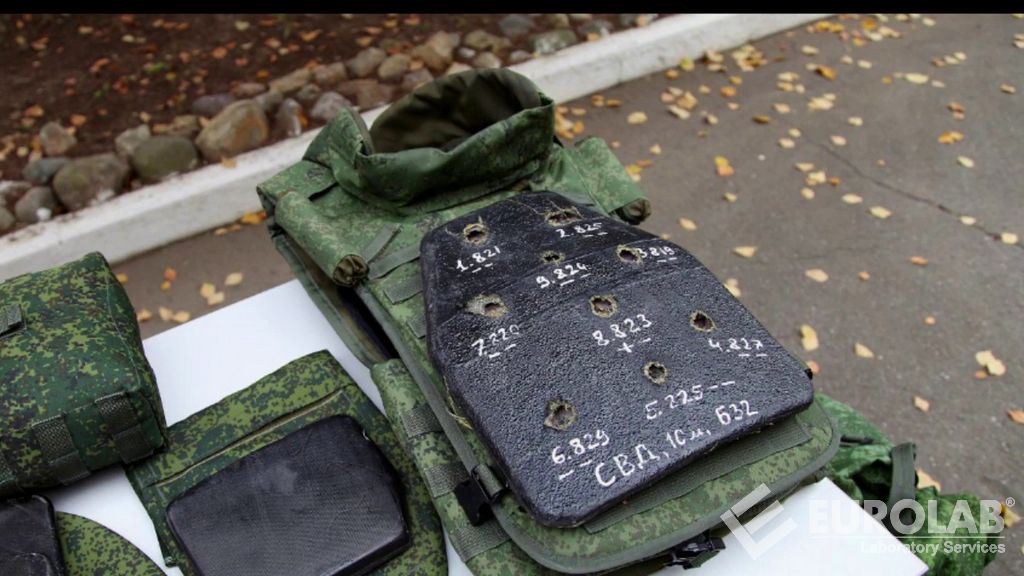
Forged armor must be in the following classes as specified in the contract or purchase order:
If no class is specified, it is assumed to be Class 1.
First, the classification of the examination is made. The inspection requirements specified in the standard are classified as follows:
Unless otherwise stated in the contract or purchase order, the contractor company must fulfill all the requirements in this standard. The contractor company may use its own facilities or other facilities that are suitable for fulfilling the conditions specified in this standard, excluding ballistic tests. Unless otherwise specified in the contract or purchase order, ballistic test plates will be forwarded to government agencies for initial product or production acceptance.
The main applied test methods are:
Among the numerous tests, measurements, analyses, and evaluations our organization provides for businesses in various sectors, we also offer steel, forging, and high-hardness armor plate testing services for military vehicles under the MIL-DTL-46100E standard, utilizing a trained and expert staff and advanced technological equipment .
To get an appointment, to get more detailed information or to request an evaluation, you can ask us to fill in our form and reach you.

