

MIL-F-7872C Military Specification: Continuous Fire and Overheating Warning Systems on Aircraft.
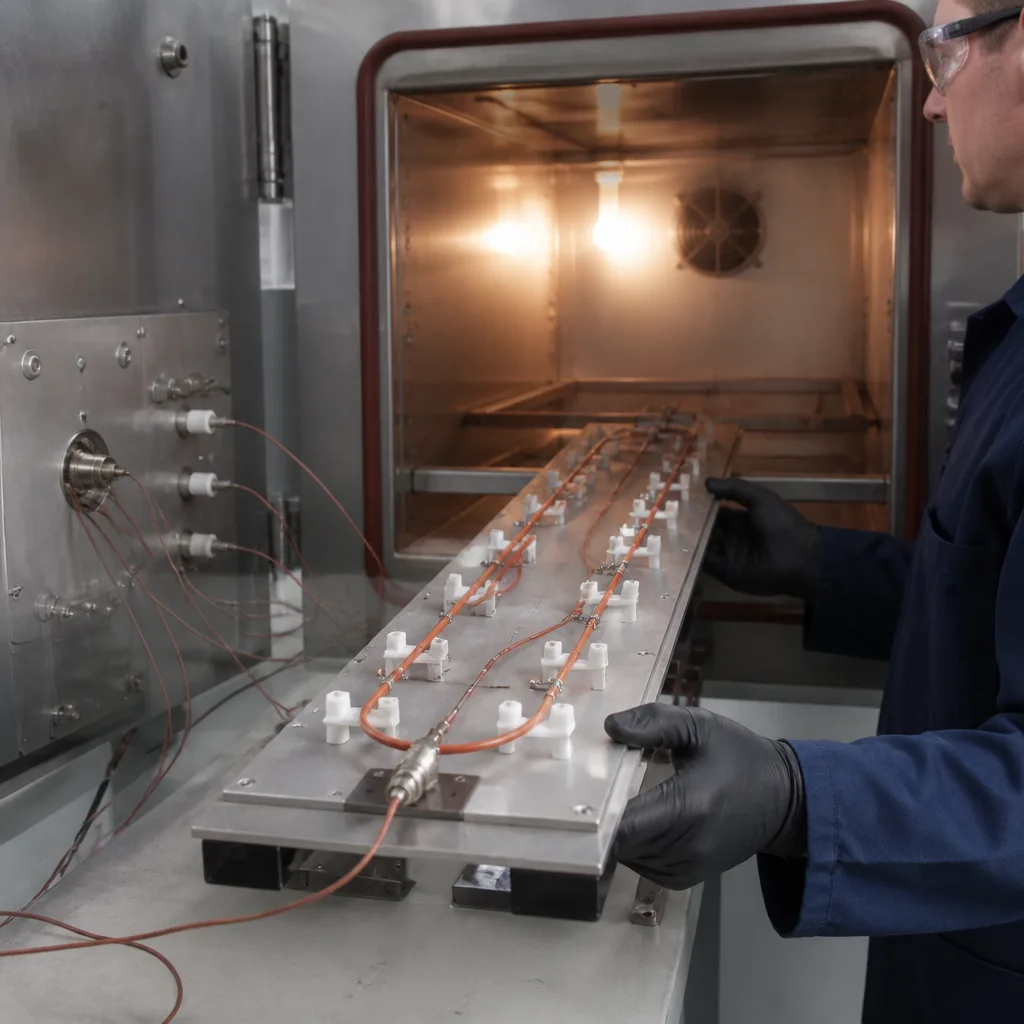
The MIL-F-7872C Military Specification: Continuous Fire and Overheating Warning Systems on Aircraft - Testing and Installation, a military standard developed by the United States Department of Defense, describes the requirements for the design, manufacture, testing, and installation of continuous-type fire and overheating warning systems for use on aircraft. These systems utilize continuous-length heat sensing elements connected to a monitoring device.
This standard is a military specification that defines the requirements for testing and installing continuous fire and overheating warning systems used in aircraft. These systems are critical safety components designed to detect abnormal temperature increases, fires, or overheating conditions in aircraft engines, auxiliary power units, cargo bays, and other high-risk areas. The specification provides standardized procedures to ensure the warning systems operate reliably in challenging aviation environments.
The primary purpose of the MIL-F-7872C standard is to ensure that aircraft fire detection and overheating warning systems provide the following:
Because military aircraft often operate in extreme environments, warning systems must maintain reliability despite vibration, shock, humidity, extreme temperatures, and electromagnetic interference.
The MIL-F-7872C standard covers the following:
This standard applies to both newly established systems and spare parts used in military aircraft programs.
A continuous fire detection system typically consists of the following:
The system continuously monitors temperature conditions and generates a warning in the cockpit when temperatures exceed predetermined limits.
The MIL-F-7872C standard specifies methods for verifying these systems:
This standard defines the following test methods:
The MIL-F-7872C standard also provides guidance for the installation of fire detection circuits and sensors. Key considerations include:
Correct installation is crucial because even a highly reliable detector can perform poorly if it is mounted or oriented incorrectly.
Aircraft fires can turn into a disaster in seconds. The ability to detect overheating or fire at the earliest stages can provide the following benefits:
For military aircraft operating far from support facilities, reliable fire detection systems are particularly important, as emergency response options may be limited.
The MIL-F-7872C standard is considered important because it helps ensure the reliability and effectiveness of fire and overheating warning systems, which are among the most critical safety systems on aircraft. Fires in aircraft engine compartments, auxiliary power units, or other high-temperature areas can develop rapidly and threaten both the aircraft and its passengers. This standard sets uniform requirements for detecting such hazards at the earliest possible stage. This standard is considered necessary for the following reasons:
Without reliable warning systems, flight crews may have little to no knowledge of a developing fire.
These requirements help ensure the system performs when it's needed most.
These systems include requirements to ensure they only respond to actual fire or overheating conditions and avoid unnecessary warnings.
In conclusion, the MIL-F-7872C standard is a crucial aviation safety specification that defines the test and installation requirements for continuous aircraft fire and overheating warning systems. By establishing rigorous performance, environmental, and installation criteria, this standard helps ensure that fire detection systems provide rapid and reliable warnings when hazardous situations arise. While not applicable to new designs, it remains a valuable reference for older military aircraft and maintenance programs.
For many years, our organization, with its competent and experienced staff, has been understanding the needs of its clients, providing the advanced testing services they require, and assisting them in the establishment, implementation, and improvement of management systems. Within this framework, we also provide testing services compliant with the MIL-F-7872C standard to businesses.
To get an appointment, to get more detailed information or to request an evaluation, you can ask us to fill in our form and reach you.

