

The abbreviation BR, encountered when describing armored vehicles, is defined in the DIN EN 1063 standard published by the German Standardization Institute (DIN) and is used for the protection levels of transparent armor, i.e., bulletproof glass, for armored vehicles. This standard describes the performance requirements and test methods for classifying the bullet resistance of glass and glass/plastic composites consisting of one or more layers of glass.
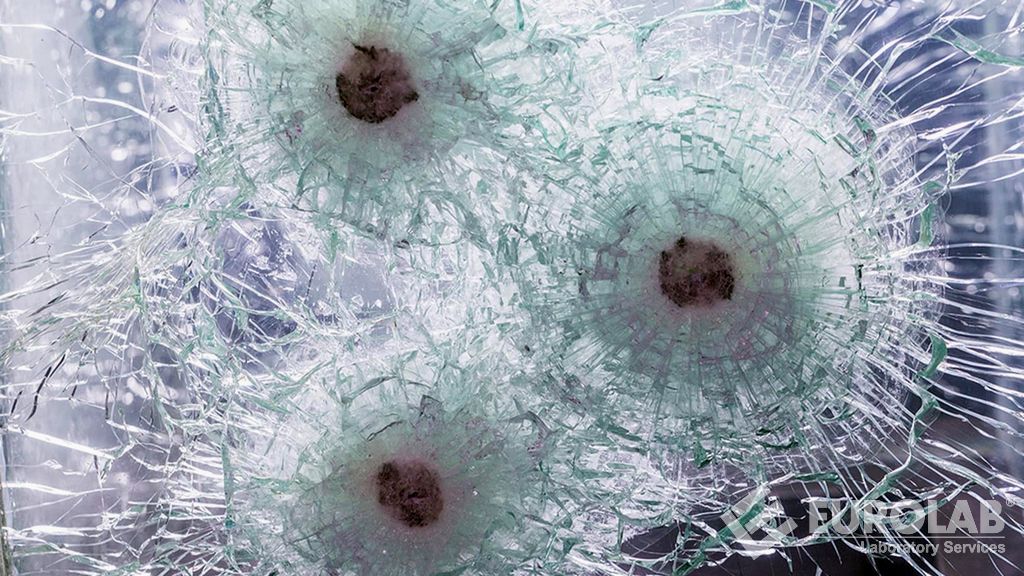
The EN 1063 standard applies to:
The protection afforded by bullet resistant glass depends not only on the product itself, but also on the design and fixing of the glass. This standard contains numerous requirements that must be met in order to fully comply with the standard.
The term bulletproof glass applies to products with the obvious properties of glass, but also includes laminated products of glass and plastic, and insulating glass units.
Bulletproof glass conforming to BR6 criteria is produced using hard-to-scratch polycarbonate in the direction of lead arrival. The polycarbonate used in these glasses is 3 mm thick and has an extremely hard coating.
Bulletproof aluminum glasses complying with BR6 criteria are combined with lamination. The thickness of these glasses varies according to the purpose of use. Such glasses are mainly in the thickness of 7 mm to 75 mm. While using bulletproof glass, BR6 bulletproof aluminum joinery is also used together.
Bulletproof glasses are produced with different techniques. But what they all have in common is the placement of a layer of polycarbonate material between ordinary glass pieces, through a process called lamination.
The exact test requirements and the types of shells used were determined as follows:
Our organization also provides the necessary testing services within the scope of EURONORM BR6, with its trained and expert staff and advanced technological equipment, among the numerous test, measurement, analysis and evaluation studies it provides for businesses in various sectors.
To get an appointment, to get more detailed information or to request an evaluation, you can ask us to fill in our form and reach you.

