MIL-STD-810H Defense Division Test Method Standard - Environmental Engineering Considerations and Laboratory Tests
Developed by the US Department of Defense, the MIL-STD-810H standard includes material acquisition program planning and engineering aspects to consider the effects of environmental stresses on material throughout all phases of its service life. This standard does not contain design or test specifications. Instead, environmental adaptation processes are described that result in realistic material designs and test methods based on material system performance requirements.
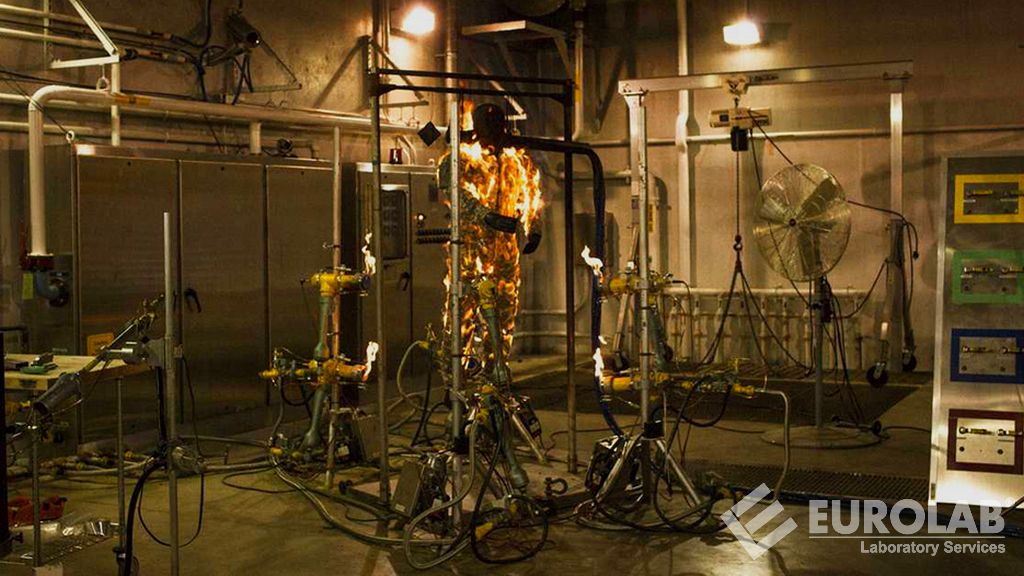
The MIL-STD-810 standard is a military standard that defines the testing and design requirements of equipment used by the military to verify the equipment's ability to sustain environmental stress events throughout its lifetime. Some of the test methods and procedures defined in this standard and to which a MIL-STD-810 certified product may be exposed include, but are not limited to:
- Method 500.6 Low pressure altitude
- Method 501.7 High temperature
- Method 502.7 Low temperature
- Method 503.7 Temperature shock
- Method 504.3 Contamination with liquids
- Method 505.7 Solar radiation
- Method 506.6 Rain
- Method 507.6 Humidity
- Method 508.8 Fungus
- Method 509.7 Salt fog
- Method 510.7 Sand and dust
- Method 511.7 Explosive atmosphere
- Method 512.6 Immersion
- Method 513.8 Acceleration
- Method 514.8 Vibration
- Method 515.8 Acoustic noise
- Method 516 Operational shock (crash hazard shock)
- Method 518.2 Acidic atmosphere
- Method 521.4 Icing
- Method 522.2 Ballistic shock
- Method 523.4 Vibro-acoustic / temperature
- Method 524.1 Freeze / thaw
- Method 525.2 Time waveform reproduction
- Method 526.2 Railroad effect
Testing and certification of military equipment against these and other harsh conditions proves purchased products are durable, reliable, sustainable and suitable for use in extreme environments.
The MIL-STD-810H standard was published in January 2019, replacing the MIL-STD-810G standard. With this revision, many changes have been made in the laboratory test methods of the MIL-STD-810 standard. For example, mechanical shock tests, one of the most widely used test methods, have undergone extensive changes in the MIL-STD-810H revision.
Major changes made include, but are not limited to:
- Definition of temperature shock
- Test and evaluation master plan
- Test conditions and tolerances for these conditions
- Calibration interval guidelines
- temperature change rate
- Acceleration and test pressures (altitude) and temperature
- High temperature (procedure I storage and procedure II operation)
- Low temperature (procedure I storage)
- Temperature shock (selection of procedure variations, determination of test levels and conditions, test duration (number of shocks), interruption due to chamber failure, pretest standard environment check, procedure IA from constant overtemps, procedure IB from constant overtemperature single-cycle shock and procedure IC from constant overtemperature multi-cycle shocks from temperature)
- Contamination with liquids (pretest standard environment check and procedure)
- Solar radiation (sunlight) (limitations, spectral power distribution, final test, test facility, solar radiation source and test parameter tolerances)
- Rain (droplet size, water pressure, pretest, posttest, procedure I rain and blowing rain, procedure II exaggerated, procedure III drip, test interruptione operation error and pretest standard environment check)
- Mushroom (purpose, application, limitations, physical interference, mushroom selection, pretest, test mushroom, posttest, test chamber, air velocity, preparatory mixed spore suspension and incubation of test substance)
- Salt mist (fallout rate, salt mist catchers and reference documents)
- Sand and dust (purpose, limitations, effects of sand and dust environments, order among other methods, choice of procedures, pretest, during test, posttest, temperature, air velocity and dust composition)
- Explosive atmosphere (fuel, post-test and test facility)
- Immersion (pretest and procedure I immersion)
- Acceleration (acceleration and shock, climatic conditions, procedure selection, procedure selection considerations, strength testing, test axes, recommended G levels for procedure I structural testing)
- Vibration (application, limitations, pretest, acceleration entry control strategy, table II, random vibration test tolerances, sinusoidal vibration test tolerances, and procedure III large assembly transport)
- Acoustic noise (calibration and tolerance, overall sound pressure levels and times)
- Acidic atmosphere (chemical composition and concentration)
- Ballistic shock (controls / tolerance)
- Vibro-acoustics / temperature (temperature, shock, sequencing among other methods, pretest, checks / tolerances)
- Freeze / thaw (controls)
- General TWR testing philosophy regarding time waveform reproduction (general considerations and terminology, key TWR test modes related to time track scaling, time track simulation and scaling), key TWR test simulation combinations, limitations, effects of switching to time tracking TWR, other ordering and tolerances between methods)
- Railroad impact (purpose, application, limitations, tailoring guide, design and modeling guide, pretest, during testing, bumper cars, test car, locomotive, rail, controls, test interruption, test setup, rail impact procedure, additional requirements and analysis of results )
Among the numerous test, measurement, analysis and evaluation studies it provides for businesses in various sectors, our organization also provides laboratory testing services for military materials within the framework of environmental engineering within the scope of MIL-STD-810H standard, with its trained and expert staff and advanced technological equipment.



