

Through harsh environment testing, we help you verify your product's ability to operate in very harsh environments to ensure you can deliver robust and reliable products to any market.
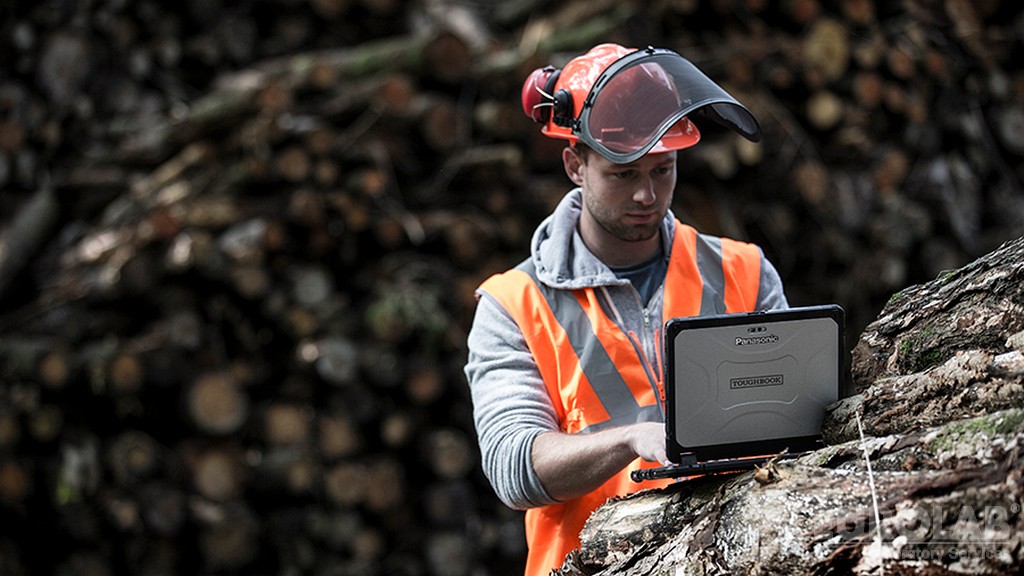
Helping you validate the rigidity and performance of your products with extreme climatic and dynamic conditions ensures they retain all functions critical to usability and performance. It helps to ensure the durability and performance of your products in harsh climatic and dynamic conditions.
Despite being developed by the U.S. military, MIL-STD-810 is a test method used by many manufacturers, regardless of whether they plan to sell it to the U.S. Department of Defense. MIL-STD-810G allows adapting an equipment's environmental design and test limits to the conditions in which a product will live, also known as hardening.
EUROLABis the industry leader in providing rugged, industrial, MIL-STD testing for commercial and military-grade applications. We help you bring to market environmental simulation products and product-hardened products that test your products and systems to extreme environmental conditions, including NEMA, IP Code and military standards.
Our harsh environment testing capabilities include:
Transit Drop Test
It is used to determine the structural and functional integrity of the material in transit or combination case to a transit drop.
Blowing Rain Test
The effectiveness of protective covers, boxes and gaskets in preventing the penetration of water into the material.
The material's ability to meet performance requirements during and after exposure to water
Physical deterioration of the material caused by rain
Effectiveness of any water removal system
The effectiveness of the protection offered to a packaged material
Vibration test
In addition to addressing most of the life cycle vibrations likely to be experienced by the material, make sure that the material will operate and withstand the vibration exposure of a life cycle.
Humidity Test
It is used to determine the resistance of the material to the effects of a hot, humid atmosphere, surface effects, changes in material properties, condensation and free water.
Low Temperature Test
It is used to obtain data to evaluate the effects of low temperature conditions on material safety, integrity and performance.
High Temperature Exposure Test
It is used to obtain data to evaluate the effects of high temperature conditions on material safety, integrity and performance.
Sand and Dust Resistance Test
Dust: This test is done to evaluate the ability of the material to resist the effects of dust that could block openings, cracks, cracks, beds and penetration into joints and evaluate the effectiveness of the filters.
USand: This test is performed to help evaluate the ability to store and operate the blown material under blast sand conditions without compromising performance, effectiveness, reliability, and continuity due to the erosion or clogging effects of large, sharp-edged particles.
Height Test
It is used to evaluate material that is likely to be stored and / or operated in high ground altitude areas, transported or operated in pressurized or unpressurized areas of the aircraft, subject to rapid or explosive decompression, or externally transported on the aircraft.
Temperature Shock Test
It is used to determine whether the material can withstand sudden changes in temperature of the surrounding atmosphere without physical damage or deterioration in performance.
EUROLAB, with its highly expert team and internationally accredited laboratories, Difficult Environment Tests It performs all test, analysis, measurement, evaluation and report generation services completely and reliably.
To get an appointment, to get more detailed information or to request an evaluation, you can ask us to fill in our form and reach you.

