

The purpose of this test is to evaluate the effects of temporary exposure to liquid contamination on the performance or use of the material.
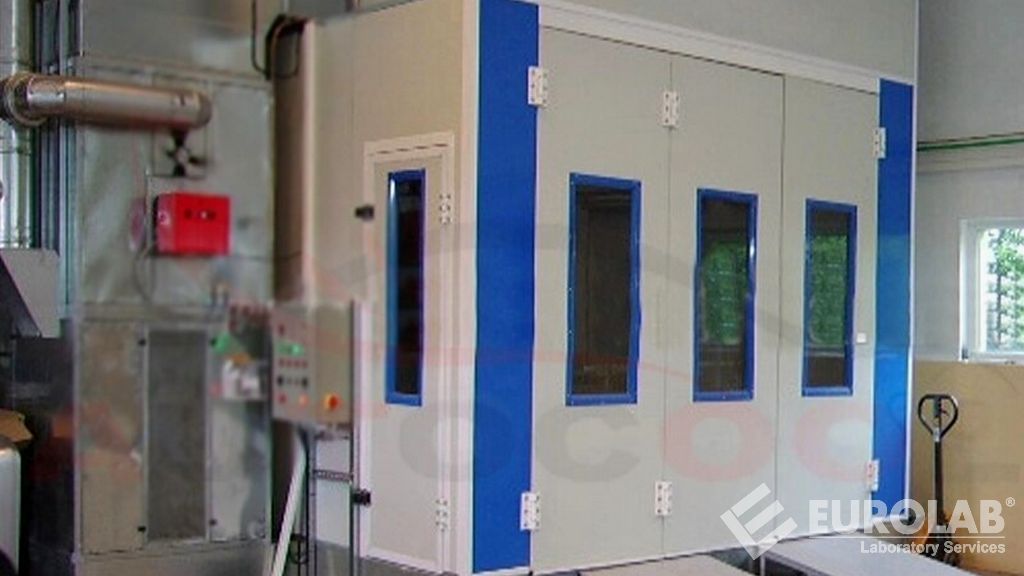
Temporary contamination of liquids with ammunition, etc. The effects on it are as follows.
This test should be done after the environmental test and the test procedure is one.
The results of the tests should be analyzed and judged for their immediate or potentially long-term effects on the proper functioning of the material. Therefore, when evaluating the results of this test, only the results immediately after the test should not be used as an evaluation criterion.
The following are the minimum ingredients that must be specified when requesting a test.
Case 1) 1. MIL-STD-810G, Method 504.2 Contamination by fluids, fluid type, time, temperature
Case 2) MIT-STD-810G Method 504.2 Contamination by Fluids, Procedure II – Immersion; Fluids - Water, Jet Fuels (7), Hydraulic Fluid, Lubricating Oil and Coolant - eight (8) hours per fluid at room temperature, total 11 fluids
To get an appointment, to get more detailed information or to request an evaluation, you can ask us to fill in our form and reach you.

