MIL-STD 810 Tests and Procedures
MIL-STD (Military Standards) is a military standard created by the US Department of Defense and established by the US Army Developmental Test Command. Usually this standard applies primarily to military equipment, but can also be applied to a variety of general commercial products.
Methods and Procedures
- Method 502.6: Low Temperature - Procedure II. Note : Soak for two (2) hours after stabilization at TBD temperature.
- Method 505.6: Solar Radiation – Procedure II. Note : Ten (10) cycles.
- Method 506.6 : Esen Yağmur – Procedure I. Note: 30 minutes per side, 6 sides in total. 40 MPH wind speed.
- Method 507.6: Humidity. Note : Ten (24) cycles according to Figure 507.5-7 with 10-hour preconditioning.
- Method 509.6: Salt Mist. Note : Two (24) cycles of 24-hour exposure followed by 2-hour drying.
- Method 510.6 : Sand and Dust - Procedure I. Note: Dust Blow at TBD temperature only.
- Method 512,6: Immersion. Note : UUT one (30) meter below the water surface for 1 minutes.
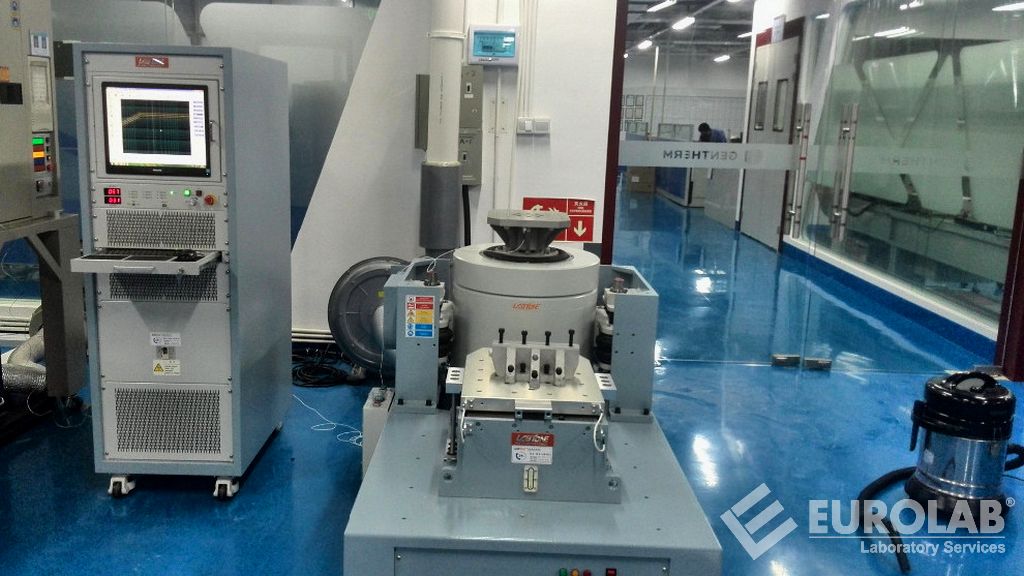
- Method 514.7: Vibration - Procedure I. Note: One (514.6) clock/axis vibration per Figure 1E-810 (-(Minus) 514.5F, Figure 17C-1)
- Method 516.7: Shock – Procedure I. Note: Functional Shock 15 g, 11 ms, Sawtooth; 18 per direction per axis for a total of 3 shocks.
- Method 516.7: Shock – Procedure IV. Note: Transit Drop 26 drops one drop on each face, edge, and corner.
In the test, analysis, measurement and evaluation studies carried out in our organization, national and international standards and applicable legal regulations are complied with and reliable and impartial results are obtained. MIL-STD testing services are among the numerous tests carried out in this context.



