

The standard "ANSI/ASHRAE 110 Performance Testing of Laboratory Fume Hoods", jointly developed by the American National Standards Institute (ANSI) and the American Society of Heating, Refrigerating, and Air-Conditioning Engineers (ASHRAE), describes a test method for determining the performance of conventional, bypass, auxiliary air, and variable air volume laboratory fume hoods. This standard is primarily designed for laboratory and factory testing, but can also be used as an aid in evaluating installed performance.
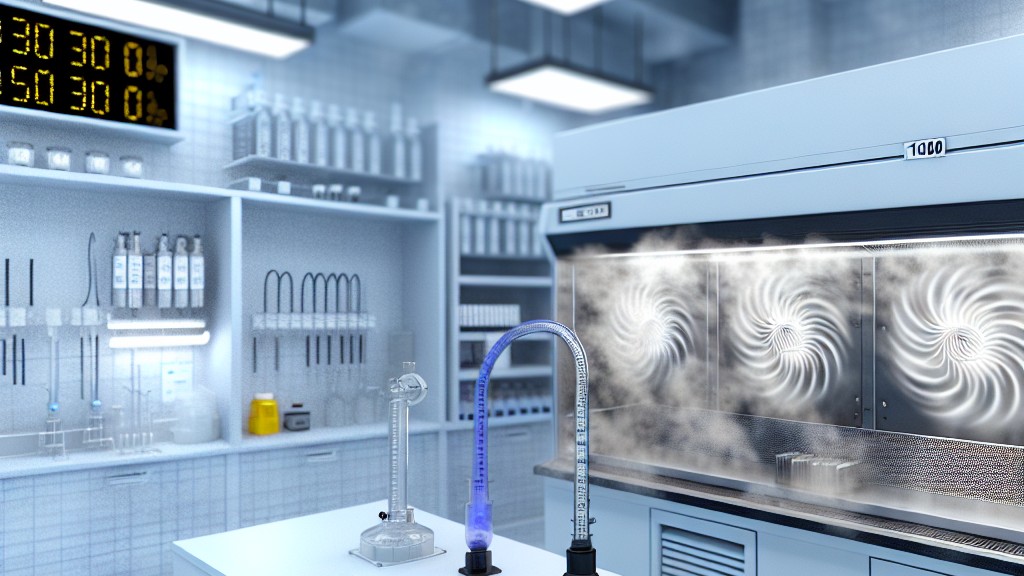
The purpose of this standard is to describe a method for testing the performance of laboratory fume hoods. Essentially, it outlines a quantitative test procedure for determining the operating capabilities of a fume hood, such as its ability to retain and exhaust fumes. However, this performance test is not directly related to the safety of the hood operator. This is because of the many variables in the hood environment, such as cross drafts, hood location or temperature, hood usage, and hood materials.
This standard is used not only by manufacturers during development and design, but also as an informal benchmark for many laboratories and as a performance evaluation and certification method for installed fume hoods. It can even be used as a diagnostic tool to identify problems in an existing fume hood/HVAC system installation.
This standard has three main areas: surface velocity measurement, smoke visualization, and tracer gas capture.
This standard includes three types of tests:
As-built testing is done after the hood is built and is usually done in a test lab where environmental factors are eliminated to the extent possible. As-installed testing is done after the hood is installed in the lab but before anything is placed inside. This can reveal issues with how the hood was installed, room operation/location, and other room environment factors. Finally, as-used testing is done in the lab with materials (such as beakers, equipment) inside the hood. This testing takes into account both the room environment and the users, and can compare the test results to the as-installed test results to determine if there are any issues with how it was operated.
The goal of this standard is for health and safety officers, laboratory managers and laboratory technicians to understand the operation and safety of the fume hood. However, each laboratory determines its own acceptable levels for test results.
Inhalation of toxic fumes is a major laboratory hazard. Fume hoods limit exposure to hazardous chemicals and contaminants, so their reliable performance is essential in many laboratory operations. OSHA standard 1910.1450 requires that fume hoods and other protective equipment operate properly and take special precautions to ensure proper and adequate performance of such equipment. In this regard, ANSI/ASHRAE standard 110-2016 helps ensure the performance of fume hoods through requirements for a variety of procedures, including tests for visualizing fume flow, detecting tracer gases at low concentrations, and identifying gases that may escape through the hood vent. It includes comprehensive diagrams that show the appearance of a thoroughly tested laboratory fume hood.
The latest update of this standard includes significantly expanded changes to the test procedures and knowledge-based sections of the standard.
Our organization has a strong staff that closely follows the developments in the world in the field of science and technology and constantly improves itself. Among the numerous test, measurement, analysis and evaluation studies provided for businesses in various sectors, there are also test services in accordance with the "ANSI/ASHRAE 110 Laboratory fume hood performance test" standard.
To get an appointment, to get more detailed information or to request an evaluation, you can ask us to fill in our form and reach you.

