

The standard “DIN 51354 Testing of lubricants – Determination of the shear stability of lubricating oils containing polymers” published by the German Institute for Standardization (DIN) consists of the following subsections published under the same title:
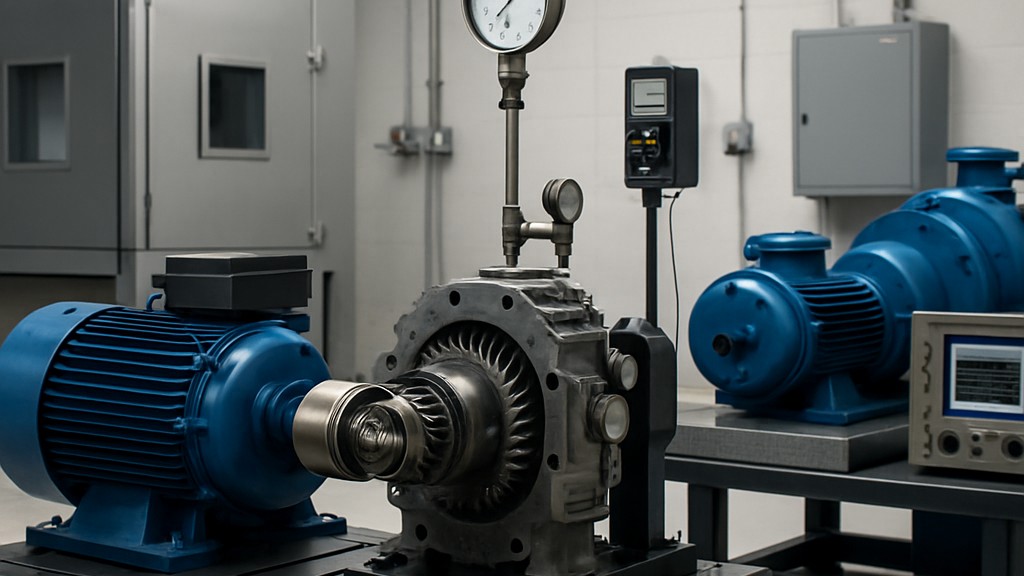
The KRL test is known as the ball bearing-roller bearing run-in test. These tests utilize a modified FZG gear test rig. During the test, the oil is subjected to high mechanical stress in a roller bearing test rig. After a specified number of cycles, the viscosity loss (usually at 100°C) is measured. The percentage loss of kinematic viscosity is calculated and used to assess the oil's shear stability.
This standard is used for engine oils, hydraulic fluids, and gear oils that improve the viscosity index. This test is particularly important for quality control and product development in lubricant formulations where long-term viscosity retention under mechanical stress is critical.
For organizations working with lubricants or mechanical systems that require consistent performance under load, the DIN 51354-1 standard is one of the fundamental standards for ensuring product reliability.
These tests utilize a device that uses ultrasonic energy (a sonic shear device). During the test, a sample of the lubricant is exposed to sound energy for a specific period of time. After the test, the kinematic viscosity (usually at 100°C) is measured. Viscosity loss (as a percentage) is calculated. The result represents the shear stability index; the lower the viscosity loss, the more stable the oil is under mechanical stress.
This standard is used in engine oil and hydraulic fluid development, quality control of multigrade oils, and evaluation of viscosity index improvers (VII).
Comparing these two standards yields the following results:
The DIN 51354 standard is important because it provides methods for determining the anti-wear properties of lubricants. This standard defines repeatable and standardized test methods for measuring how effectively a lubricant protects sliding surfaces against wear. This standard is considered necessary for the following reasons:
DIN 51354 standards are generally used for automotive gear and engine oils, industrial lubricants for bearings and gears, and hydraulic and turbine oils. For companies involved in lubricant testing or machine design, compliance with this standard helps ensure products are durable, efficient, and accepted by the industry.
Our organization, which has been supporting businesses across all sectors for years through a wide range of testing, measurement, analysis, and evaluation activities, has a strong team of employees who closely follow global developments in science and technology and are constantly improving themselves. In this context, we also provide testing services in accordance with the DIN 51354 "Testing of lubricants - Determination of the shear stability of polymer-containing lubricating oils."
To get an appointment, to get more detailed information or to request an evaluation, you can ask us to fill in our form and reach you.

