
ISO 14692-2 Petroleum and Natural Gas Industries - Glass-Reinforced Plastic (GRP) Piping - Part 2: Qualification and Manufacture

ISO 14692-2 Petroleum and Natural Gas Industries - Glass-Reinforced Plastic (GRP) Piping - Part 2: Qualification and Manufacture

The International Organization for Standardization (ISO) standard "ISO 14692-2 Petroleum and natural gas industries - Glass-reinforced plastic (GRP) piping - Part 2: Qualification and manufacture" defines requirements for the qualification and manufacture of glass-reinforced plastic (GRP) pipes and fittings to ensure that glass-reinforced plastic (GRP) components with known and consistent properties can be purchased from any source. This standard also applies to qualification procedures, preferred dimensions, quality programs, component marking, and documentation. This standard is intended to be read in conjunction with ISO 14692-1.
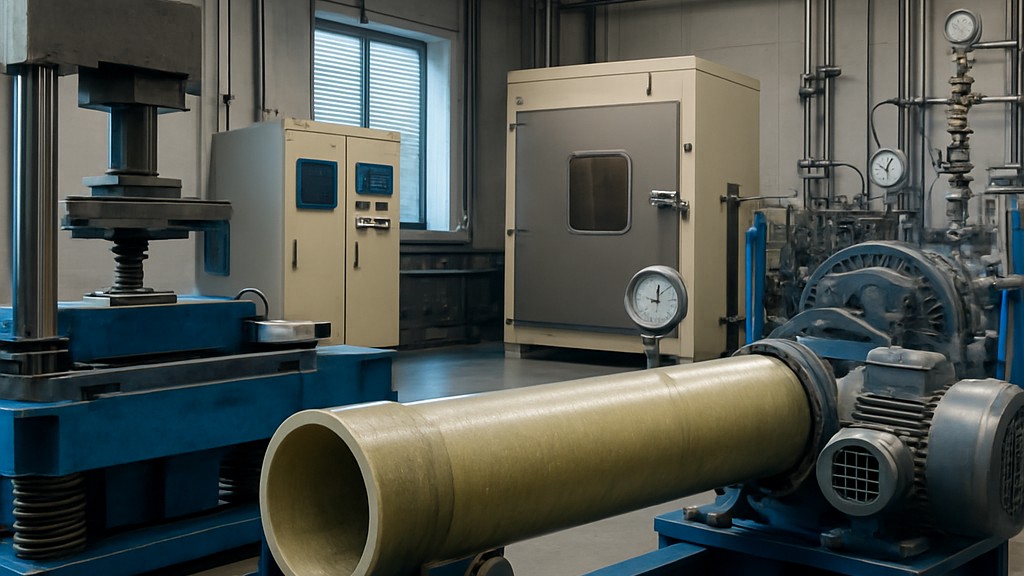
ISO 14692-2 Petroleum and Natural Gas Industries - Glass-Reinforced Plastic (GRP) Piping - Part 2: Qualification and Manufacture

In the oil and gas industry, reliability, safety, and durability are paramount when selecting materials for piping systems. Glass fiber-reinforced plastics, also known as fiberglass-reinforced plastics, have become a valuable alternative to traditional metal piping due to their corrosion resistance and lightweight construction. The ISO 14692-2 standard provides critical guidance on the design, manufacture, and qualification of glass-reinforced plastic piping systems, particularly in the oil and gas industries.

Essentially, the ISO 14692 standard series is an international standard and consists of the following subsections:

  • ISO 14692-1 Part 1: Vocabulary, symbols, practices and materials
  • ISO 14692-2 Part 2: Quality and production
  • ISO 14692-3 Part 3: System design
  • ISO 14692-4 Part 4: Production, installation and operation

The ISO 14692-2 standard specifies qualification requirements for glass-reinforced plastic components and manufacturing processes. It ensures that only appropriately tested and certified glass-reinforced plastic piping products are used in oil and gas applications.

The main objectives of this standard are:

  • Defining minimum performance standards for GRP piping systems
  • Outlining qualification procedures for manufacturers and products
  • Ensuring consistent quality assurance and control
  • Providing guidance on type testing, sample selection and documentation

Key areas covered by this standard include:

  • Material qualification
    • Raw materials (resins, glass fibers, fillers) must meet specified requirements
    • Long-term and short-term mechanical property testing is mandatory
  • Production procedures
    • Includes features for filament winding, centrifugal casting, hand lay-up and other GRP processes
    • Ensures repeatability and traceability in production
  • Product testing
    • Hydrostatic pressure tests
    • Thermal and chemical resistance
    • Compilation performance and integrity
  • Quality control
    • Visual inspections, dimensional checks and non-destructive testing
    • The manufacturer's quality management systems must comply with ISO 9001 principles.
  • Documentation and traceability
    • Complete records of materials, production batches, test results and certificates are required

The ISO 14692-2 standard provides a comprehensive framework for ensuring the safe, reliable, and consistent use of glass-reinforced plastic (GRP) piping systems in the oil and gas industry, particularly in corrosive, high-risk environments such as offshore platforms and chemical plants. Therefore, this standard is considered important for the following reasons:

  • Ensures material and product reliability: Glass-reinforced plastic piping systems must withstand high pressures, chemical exposure, and temperature fluctuations. This standard requires rigorous material qualification and performance testing, ensuring only high-quality materials and products are used. This standard prevents premature failure and reduces maintenance and replacement costs.
  • Protects health, safety, and the environment: The oil and gas industry operates in hazardous environments. A faulty pipe can lead to:
    • Hazardous spills (e.g. hydrocarbons, chemicals)
    • Fires or explosions
    • environmental pollution

This standard helps mitigate these risks by requiring comprehensive testing and manufacturing standards.

  • Standardizes quality across manufacturers: Without a global standard, different suppliers may deliver inconsistent or incompatible glass-reinforced plastic pipes. This standard ensures that all qualified products:
    • Meets the same minimum performance requirements
    • Interchangeable across systems and geographies
    • Can be used reliably in critical infrastructures
  • Supports regulatory and customer compliance: Many government agencies, operators, and engineering firms require ISO compliance. Following the ISO 14692-2 standard helps:
    • To meet legal and regulatory obligations
    • Obtaining project approvals faster
    • Demonstrate adherence to best practices
  • Improves long-term performance and lifecycle costs: This standard promotes robust qualification and production, supporting:
    • Longer service life for glass-reinforced plastic systems
    • Fewer shutdowns or replacements
    • Lower total cost of ownership

This makes glass-reinforced plastic a cost-effective alternative to steel, especially in corrosive environments.

  • Provides safe use in demanding applications: Glass reinforced plastic piping is used in:
    • Submarine and offshore platforms
    • Produced water and chemical injection lines
    • Sour gas systems (hydrogen sulfide environments)

The ISO 14692-2 standard ensures that these applications are secure, predictable and verifiable.

Consequently, the ISO 14692-2 standard plays a vital role in ensuring the safety, reliability, and longevity of glass-reinforced plastic (GRP) piping systems used in the oil and gas industries. It sets the bar for how these systems should be qualified and manufactured, making it a cornerstone of quality assurance.

Our organization, which has been supporting businesses across all sectors for years through a wide range of testing, measurement, analysis, and evaluation activities, has a strong team of employees who closely follow global developments in science and technology and are constantly improving themselves. In this context, we also provide testing services in accordance with the "ISO 14692-2 Petroleum and natural gas industries - Glass-reinforced plastic (GRP) piping - Part 2: Qualification and production" standard.

WhatsApp

