
EN 331 Manually Operated Ball Valves and Closed-Bottom Conical Plug Valves for Gas Installations

EN 331 Manually Operated Ball Valves and Closed-Bottom Conical Plug Valves for Gas Installations

The European standard “EN 331 Manually operated ball valves and closed-bottom conical plug valves for gas installations in buildings” describes the specifications for the construction, performance, and safety of ball valves and closed-bottom conical plug valves. This standard also details test methods and marking requirements.
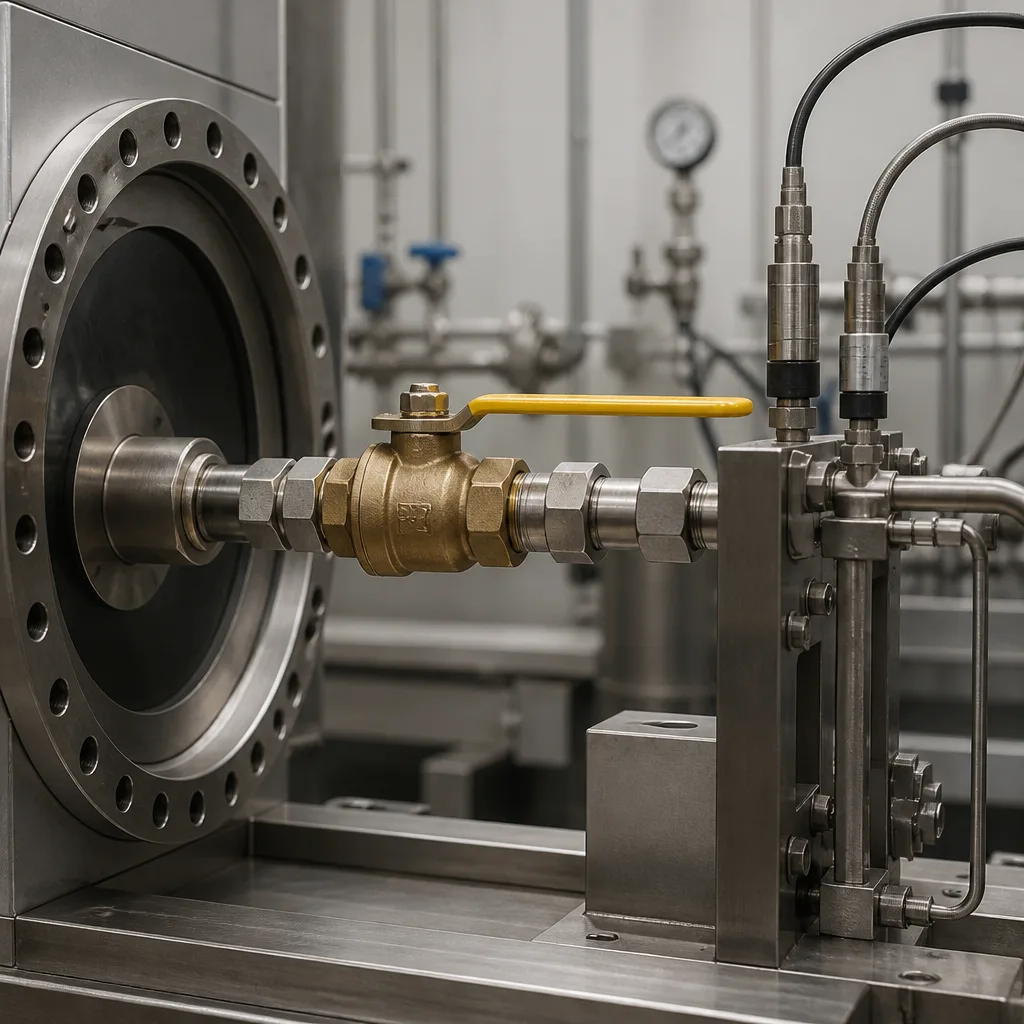
EN 331 Manually Operated Ball Valves and Closed-Bottom Conical Plug Valves for Gas Installations

This applies to metallic valves used in domestic and commercial installations inside or outside buildings, not directly buried, employing first, second and third family gases (as defined in EN 437 standard), operating up to 0,2 x 10⁵⁵ Pa, 0,5 x 10⁵⁵ Pa, 1 x 10⁵⁵ Pa, 5 x 10⁵⁵ Pa and 20 x 105⁵ Pa, and with temperature limits of -5 degrees or -20 degrees to +60 degrees.

Within the scope of this standard, the term "not directly buried" means that underground valves are not in direct contact with the soil or other materials, but are enclosed in a protected housing.

In short, this standard applies to metal valves used both indoors and outdoors that are not buried directly in the ground.

The EN 331 standard covers valves used with first, second, and third family gases as defined in the “EN 437 Test gases - Test pressures - Appliance categories” standard. This standard applies to valves operating within specific pressure classes and temperature ranges typically encountered in building gas installations. It covers nominal diameters from 6 mm to 100 mm. The valve nominal dimensions covered by this standard are specified within the standard itself.

Typical application areas for the EN 331 standard include:

  • Natural gas distribution systems in buildings
  • LPG installations
  • Commercial gas pipeline systems
  • Gas appliance isolation valves
  • Gas meter shut-off valves
  • Industrial gas supply lines inside buildings

The main requirements have been identified as follows:

  • Structural requirements: This standard defines the following requirements:
    • Valve body materials
    • Ball and stopper design
    • Shaft structure
    • Sealing components
    • Corrosion resistance
    • mechanical strength

The materials must be suitable for prolonged exposure to fuel gases without degradation.

  • Leakproofness: A fundamental requirement is to ensure that valves remain gas-tight throughout their service life. Tests include:
    • External leak test
    • Internal leak test
    • Seat leak test
    • Pressure integrity assessment

These tests help prevent dangerous gas leaks.

  • Mechanical performance: The valves undergo the following tests:
    • Working torque
    • Arm strength
    • Torsional resistance
    • Bending resistance
    • Endurance cycle

The valve should continue to function reliably after repeated testing.

  • Environmental resistance: This standard requires performance to be assessed under the following conditions:
    • Low temperatures
    • high temperatures
    • Moisture exposure
    • Corrosive environments
    • Salt spray conditions

These tests ensure the product operates reliably throughout its intended lifespan.

  • Flow performance: This standard verifies the following:
    • Flow capacity
    • Pressure drop characteristics
    • Full-pass and reduced-pass performance

Sufficient gas flow is essential for the safe operation of the appliance.

Typical test methods described in the EN 331 standard include:

  • Internal leak test: Verifying the watertightness of the seat.
  • External leak test: Verifying the leak tightness of the housing and shaft.
  • Compressive strength test: Verification of structural integrity.
  • Endurance test: Evaluating endurance after repeated cycles.
  • Torque test: Verification of functionality.
  • Temperature test: Verifying performance at extreme temperatures.
  • Corrosion test: Evaluating resistance to environmental influences.

Valves that comply with the EN 331 standard are generally marked with the following:

  • Producer identity
  • Nominal size
  • Pressure class
  • Flow direction (if applicable)
  • Production traceability information
  • EN 331 definition

These markings aid in installation, inspection, and maintenance.

The sectors that use the EN 331 standard are as follows:

  • Gas distribution companies
  • Building services engineering
  • Heating, ventilation, and air conditioning (HVAC) systems
  • Device manufacturing
  • Plumbing and gas installation contractors
  • Industrial gas distribution systems

The EN 331 standard is important because it ensures the safety and reliability of gas shut-off valves used in residential, commercial, and industrial gas installations. These valves often form the first line of defense for controlling gas flow and isolating sections of the gas system during maintenance, emergencies, or equipment changes. This standard is considered important for the following reasons:

  • Prevents gas leaks: Natural gas and LPG are highly flammable. Even a small leak can create a dangerous environment that may lead to the following:
    • Fires
    • explosions
    • Risk of drowning
    • Property damage

This standard requires rigorous internal and external leak tests to ensure valves close securely throughout their service life.

  • Protects human safety: Gas valves are critical components from a safety perspective. In an emergency, a valve that doesn't close properly can allow gas to continue flowing into the building. This standard verifies that the valves can be operated reliably and safely under normal and abnormal conditions.
  • It ensures long-term reliability: Gas installations are expected to operate for many years. This standard includes:
    • Endurance tests
    • Work cycle tests
    • Mechanical strength assessments
    • Corrosion resistance assessments

These requirements help ensure that the valves remain functional even after many years of service.

  • It ensures consistent product quality: Without a common standard, valve manufacturers could use different testing methods and performance criteria. This standard sets uniform requirements across Europe, ensuring that products from different manufacturers meet the same minimum safety and performance levels.
  • It supports compliance with legal regulations: Many European gas regulations and installation codes refer to valves that comply with the EN 331 standard. Compliance helps to:
    • To meet legal requirements
    • To facilitate CE marking where applicable.
    • Simplifying product approval processes
    • Demonstrating compliance with safety regulations.
  • It ensures safe operation under varying conditions: Gas systems can encounter low winter temperatures, high summer temperatures, humidity, and corrosive environments. This standard requires testing under environmental conditions that simulate real-world service to ensure valves continue to function properly.

In conclusion, the EN 331 standard is the principal European standard regulating manually operated ball valves and closed-base conical plug valves used in building gas installations. This standard sets comprehensive requirements for safety, leak tightness, mechanical strength, environmental resistance, testing, and marking.

For many years, our organization, with its competent and experienced staff, has been understanding the needs of its clients, providing the advanced testing services they require, and assisting them in the establishment, implementation, and improvement of management systems. Within this framework, we also provide testing services in accordance with the EN 331 standard.

WhatsApp

