

The European standard "EN 1175 Safety of industrial trucks - Electrical/electronic requirements" describes the electrical requirements for the design and construction of electrical installations in self-propelled industrial trucks, which are covered by the standard "ISO 5053-1 Industrial trucks - Vocabulary - Part 1: Types of industrial trucks". However, the following vehicles defined in the ISO 5053-1 standard are outside the scope of this standard:
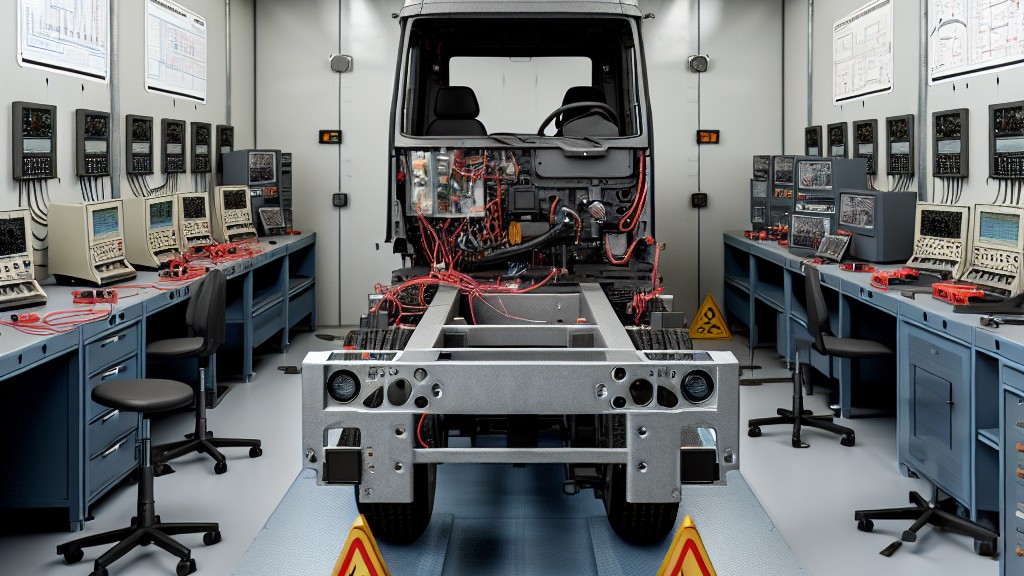
This standard provides parts of electrical/electronic and safety-related control system requirements to complement the requirements in the relevant part of the EN ISO 3691 series and EN 16307 series standards for self-propelled industrial trucks mentioned above.
This standard is referenced in other standards covering the non-electrical requirements of various types of industrial trucks.
The requirements of this standard apply when trucks are operated in the following climatic conditions:
This standard addresses the safety requirements for all electrical and electronic components of industrial trucks, including electrically operated hydraulic/pneumatic valves. It specifies the minimum performance levels required for the safety functions performed by the safety-related parts of control systems. This standard is intended to be used to prevent or minimize the hazards or hazardous situations listed in the annex of the standard. These situations may arise during operation in the intended area of use and during maintenance of the trucks in accordance with the specifications and instructions given by the manufacturer.
However, the hazards that may occur in the following situations are outside the scope of this standard:
The required performance level defined for electrical safety-related control systems can be used as a guide to determine the performance of non-electrical systems. Hazards from water and dust penetration are covered by the required performance level definition of safety functions according to the standard “EN ISO 13849-1 Safety of machinery - Safety-related parts of control systems - Part 1: General principles for design”.
For the purposes of this standard, the following definitions apply in addition to the terms and definitions given in ISO 5053-1:
Essentially, this standard includes the following standards published under the same title:
Our organization has a strong workforce that closely follows global developments in science and technology and continuously improves itself. Among the numerous tests, measurements, analyses, and evaluations provided for businesses in various sectors, are testing services compliant with the “EN 1175 Safety of industrial trucks - Electrical/electronic requirements” standard.
To get an appointment, to get more detailed information or to request an evaluation, you can ask us to fill in our form and reach you.

