

The IEEE C57.12.28 Pad-mounted equipment - Enclosure integrity standard, published by the Institute of Electrical and Electronics Engineers (IEEE), describes conformity testing methods and requirements for enclosure integrity of ground-mounted pad-mounted enclosures containing devices with power exceeding 600 Volts and that may be accessible to the general public. These include, but are not limited to, the following types of equipment enclosures: pad-mounted capacitors or inductors, pad-mounted distribution transformers, pad-mounted junction enclosures, pad-mounted measuring equipment, and pad-mounted voltage regulators.
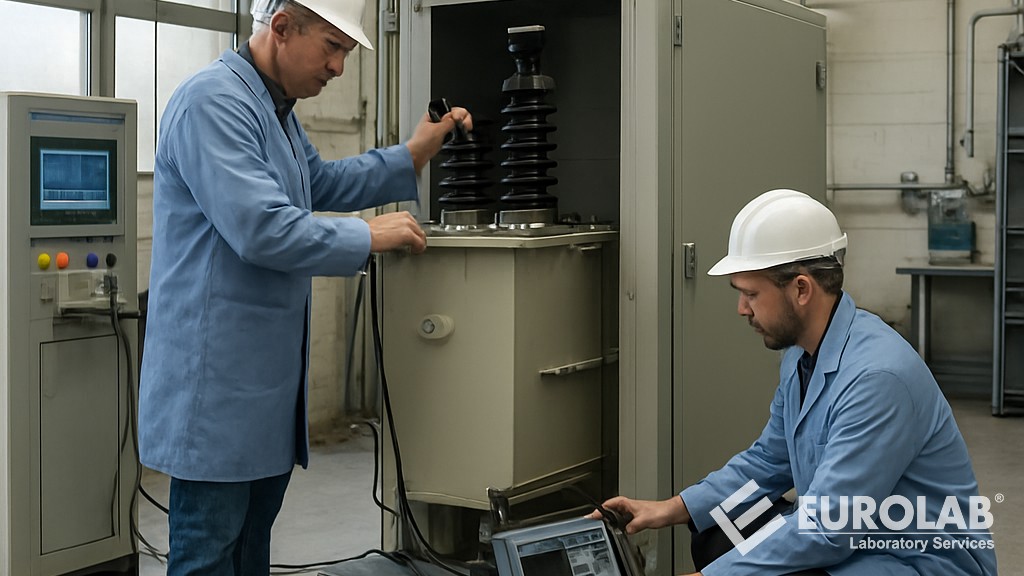
The aim of this standard is to define the requirements for a comprehensive integrity system for pad-mounted enclosures that provide a long field service life with minimal maintenance and positive safety characteristics.
Safety and reliability are paramount in the world of electrical power distribution. Pad-mounted equipment, which are robust, above-ground enclosures housing high-voltage components such as transformers and switchgear, play a critical role in distributing electricity to homes, businesses, and industries. However, maintaining enclosure integrity is challenging when these enclosures are exposed to weather conditions, vandalism, or accidental tampering. The IEEE C57.12.28 standard ensures that these enclosures can withstand the rigors of public environments, protecting both the equipment inside and the people outside.
This standard has been developed over the years since its initial publication to address emerging challenges in electrical infrastructure. The latest revision reflects advances in materials science and testing methodologies, making it a fundamental reference for manufacturers, utility companies, and engineers.
The IEEE C57.12.28 standard essentially provides compliance tests and requirements for enclosure integrity of pad-mounted equipment operating at voltages exceeding 600 Volts. These enclosures are typically installed in urban or suburban settings that may be accessible to the public, such as sidewalks, parks, or residential green spaces. This standard focuses on above-ground installations, meaning the enclosures are placed directly on concrete pads rather than being buried underground.
This standard generally covers the following:
This standard excludes publicly controlled installations, particularly emphasizing its role in public safety where public access is entirely restricted. This revision places some emphasis on enclosure integrity, ensuring that protective surfaces in enclosures are resistant to corrosion, abrasion, and environmental degradation over time. This update incorporates lessons learned from field failures and technological advancements.
Pad-mounted enclosures are not just metal boxes; they are the first line of defense against electrical hazards. Without robust integrity, a simple action (such as a child forcing open a door or a storm breaking the seal) can lead to:
In densely populated areas where space constraints force utilities to install equipment closer to people, these standards are lifesavers. This standard aligns with broader regulatory frameworks such as the National Electrical Safety Code (NESC) and helps utilities comply with OSHA and local safety regulations. The IEEE C57.12.28 standard minimizes downtime and extends equipment life by mandating rigorous testing.
The IEEE C57.12.28 standard includes a series of test methods to verify that enclosures can withstand mechanical, thermal, and environmental stresses:
Conformity is verified through type testing on prototypes and routine testing on production units. Manufacturers are typically required to document the results using third-party laboratories for certification.
Adopting the C57.12.28 standard for public utilities means fewer incidents and smoother inspections. Compliant enclosures have been shown to reduce tampering-related outages by 40 percent in urban installations. Manufacturers benefit from standardized specifications that streamline global supply chains.
In short, the IEEE C57.12.28 standard has the power to keep electrical grids safe and reliable. By mandating robust and tamper-resistant enclosures, it supports the energy transition while protecting communities from unseen dangers.
For many years, our organization, with its competent and experienced staff, has been understanding the needs of its clients, providing the advanced testing services they require, and assisting in the establishment, implementation, and improvement of management systems. Within this framework, we also provide testing services to businesses in accordance with the "IEEE C57.12.28 Pad-mounted equipment - Enclosure integrity" standard.
To get an appointment, to get more detailed information or to request an evaluation, you can ask us to fill in our form and reach you.

