

The standard "EN 61138 Cables for portable earthing and short-circuiting equipment", developed by the British Standards Institution (BIS), is a European standard for flexible cables with insulation based on ethylene propylene rubber (EPR), polyvinyl chloride (PVC) or silicone rubber (SiR) for portable earthing and short-circuiting equipment. No nominal voltage is given for this type of cable, as this type of cable is designed for earthing and short-circuiting equipment only.
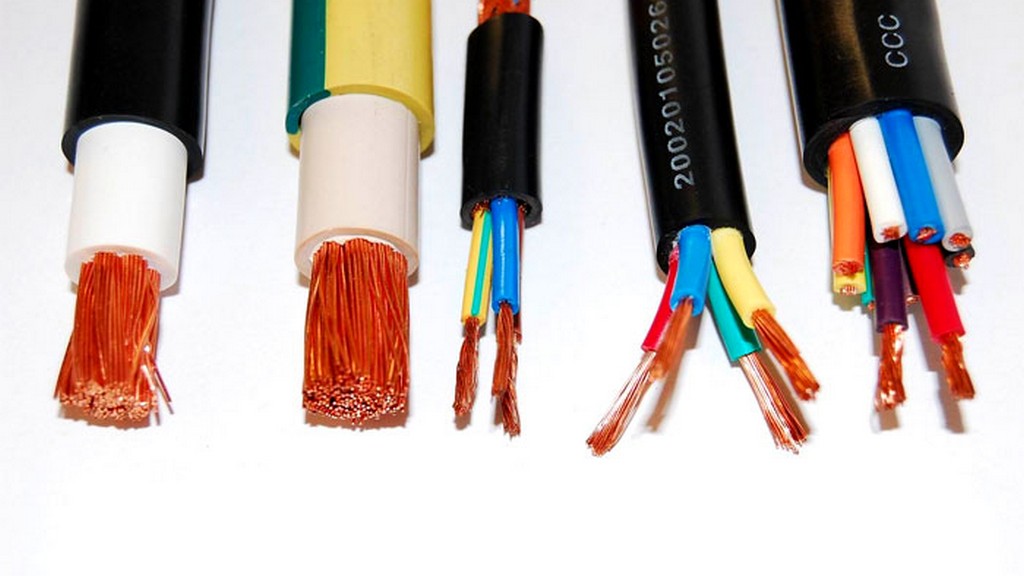
Specific cable types and code definitions are described in the sixth clause of this standard. The test methods specified in this standard are included in the following standards:
The latest update of the EN 61138 standard has introduced significant technical changes. For example, its scope has been expanded to include silicone rubber as an insulating material, and a new normative annex for impact testing has been added.
This standard is considered useful primarily for:
Standardization in the process of using portable grounding and short-circuiting equipment with cables ensures safer operation and better quality of such equipment.
This standard provides guidance to cable designers and installers on how cables should be handled for optimum use. When cables are handled according to the requirements given in this standard, smooth workflow, high safety and material losses are kept to a minimum.
For the purposes of this standard, the following definitions apply:
The general requirements for the construction of cables are described in this standard as follows:
The requirements for these compounds are described in the standard. In addition, the temperature limits for cables insulated with these compounds are included in the standard. There is no preferred colour for the insulation. The colour of the insulation is obtained by the use of coloured compounds or other suitable methods. The insulation may be transparent, whether coloured or not. The insulation must be tightly applied to the conductor or separator. It must be possible to remove the insulation without damaging the insulation itself, the conductor or the tin coating, if any. Compliance must be checked by inspection and manual testing. The average thickness of the insulation must not be less than the value specified in the tables. However, the thickness at any location may be less than the specified value, provided that the difference does not exceed 0,1 mm plus/minus 15 per cent of the specified value. Compliance must be checked by the test methods given in IEC 60227-2 or IEC 60245-2. The insulation must have sufficient mechanical strength and elasticity within the temperature limits to which it may be exposed in normal use. Compliance must be checked by performing the tests specified for each type of insulation.
The test methods used to perform tests on completed cables within the scope of this standard are as follows:
Among the numerous testing, measurement, analysis and evaluation studies that our organization has carried out for businesses in various sectors, it also provides testing services defined in the “EN 61138 Cables for portable grounding and short-circuiting equipment” standard with its trained and expert staff and advanced technological equipment.
To get an appointment, to get more detailed information or to request an evaluation, you can ask us to fill in our form and reach you.

