

The standard “EN ISO 8611-1 Material handling pallets - Flat pallets - Part 1: Test methods”, which is based on a European standard and later published by the International Organization for Standardization (ISO), describes the test methods that can be used to evaluate new flat pallets for material handling. These test methods include:
This standard does not apply to pallets with a fixed superstructure or a rigid, self-supporting container that can be mechanically attached to the pallet and contribute to its durability. Specific tests to determine load capacity do not replace the value of conducting field tests on specific pallet designs.
For the purposes of this standard, the terms and definitions given in “ISO 445 Pallets for material handling – Glossary” as well as the following definitions apply:
Pallets selected for testing shall be measured to ensure that the materials, construction and dimensions comply with the relevant written specifications. The mass and material of each pallet shall be determined and recorded during the test. The moisture content of wooden pallets shall be measured and recorded during the test in accordance with EN 13183-2. The deflection recorded at each location in the test shall be obtained by subtracting the deflection at the end of the full test load period (or relaxation period) from the deflection after the reference load has been positioned. The average of the maximum deflections recorded for each repetition shall be reported and used for further analysis. This standard provides details of what should be recorded during the test and in the written report.
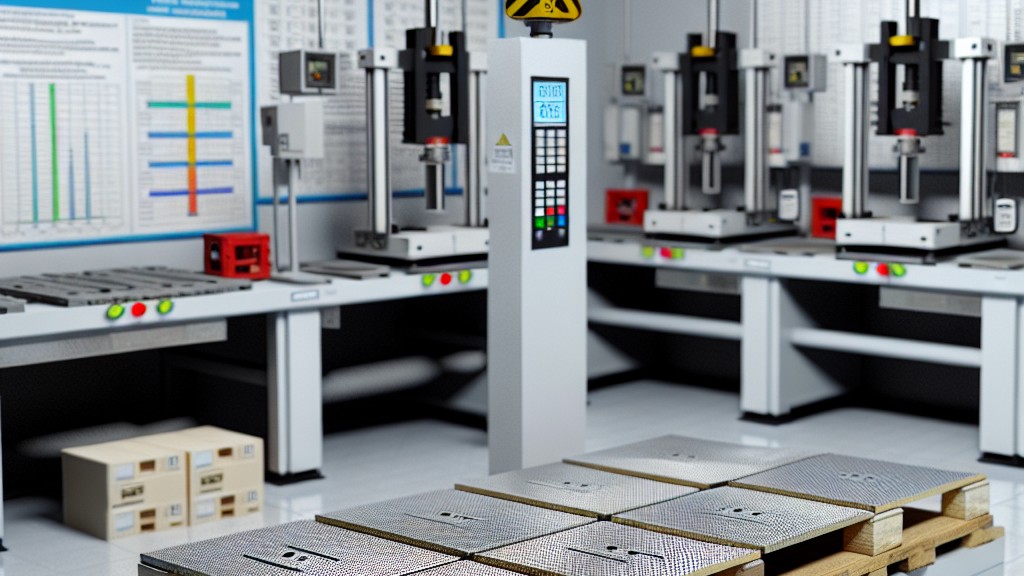
Test apparatus must meet the following requirements:
No part of any test fixture shall distort by more than plus/minus 3 mm when under the maximum test load. The distortion of the test fixture shall be taken into account when measuring pallet deflections. The use of heavy duty box steel sections in the construction of fixtures in tests 1 and 6 will result in central distortions approaching the 3 mm limit normally given. The inclined plane apparatus shall be constructed as specified in ISO 2244 and shall allow the inclined travel to vary from 250 mm to 1 mm in 250 mm increments, plus/minus 250 mm for each increment.
The test methods performed under this standard are:
Our organization, which has been trying to support businesses from every sector with its wide range of testing, measurement, analysis and evaluation studies for years, has a strong staff that closely follows the developments in the world in the field of science and technology and constantly improves itself. In this context, testing services in accordance with the "EN ISO 8611-1 Material handling pallets - Flat pallets - Part 1: Test methods" standard are also provided to businesses.
To get an appointment, to get more detailed information or to request an evaluation, you can ask us to fill in our form and reach you.

