

The standard “SEMI F104-2020 Test method for evaluating particle contribution of components used in ultrapure water and liquid chemical distribution systems”, developed within the framework of the International Semiconductor Equipment and Materials (SEMI) program, describes the technical specifications and test methods for components to evaluate and compare particle contribution to the ultrapure water (UPW) fluid flow.
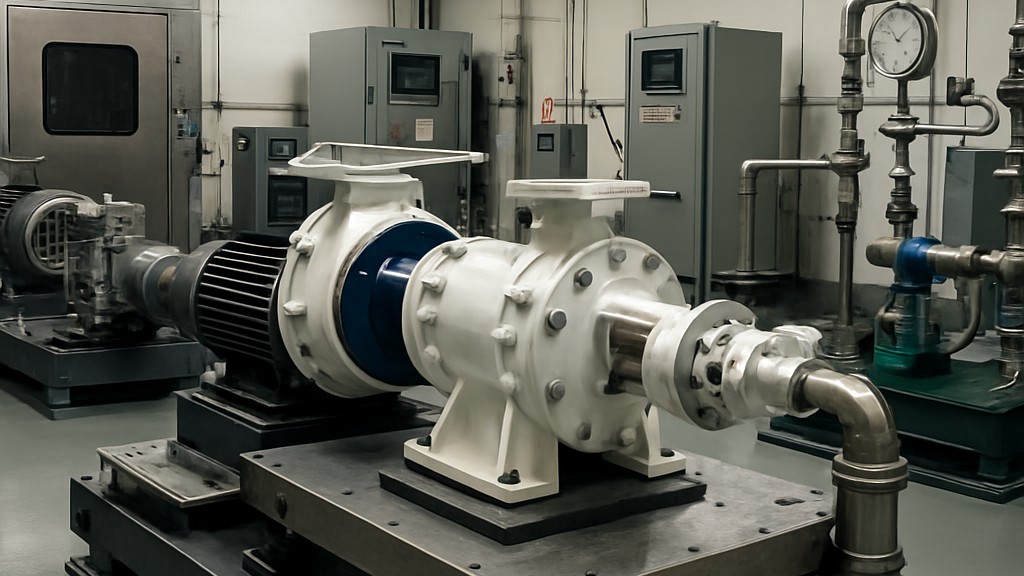
The limitations of existing particle metrology make controlling particles in the advanced semiconductor industry extremely challenging. In this regard, SEMI F104 is a valuable industry standard for particle control in critical components. This standard has been completely revised to address the allowable particle contributions from components used in handling ultrapure liquids used in semiconductor processing. Recent updates have modified the procedure to accommodate larger components, added test procedures specific to larger components, and added specified values for the allowable particle contributions. The significant difference between the bulk volume and surface area of components when comparing small and large components means that different testing protocols must be applied. Therefore, the standard includes specific requirements for flow rates used across a range of parts to be tested. Further clarifications of existing test procedures and the addition of new procedures have been incorporated into the revised standard, along with specified values for components across the size range.
The two test methods defined in this standard for assessing particle contribution are:
These test methods apply to liquid chemical and ultrapure water system components designed for use in semiconductor manufacturing devices and auxiliary equipment. This standard describes methods for measuring particulate contamination from components when using ultrapure water as the test medium. For the purposes of this standard, ultrapure water is defined as water that meets the minimum requirements outlined in this standard. These methods utilize an in-situ liquid optical particle counter to measure performance.
Products manufactured for use in ultra-high-purity applications, such as the semiconductor or pharmaceutical industries, must ensure that no contaminants enter during processing. Valves used in these services must provide the highest levels of purity and performance. Trace analysis testing is performed in independent, accredited testing laboratories using ultrapure water rinses. Test results must demonstrate that the valves contribute significantly less particulate matter than the maximum allowable limits in the SEMI F104 standard, confirming their suitability for ultrapure applications.
In short, the SEMI F104 standard is essential in the semiconductor and high-tech industries, where even microscopic contamination can lead to significant product failures or performance losses. This standard helps ensure that materials used in cleanrooms are suitable and compliant with the stringent requirements of these ultra-clean environments.
This standard provides a standardized framework for referencing test data for materials used in cleanroom construction. It focuses on cleanliness, outgassing, particle formation, and chemical compatibility. The goal is to support the selection of materials that minimize contamination risks and support reliable semiconductor manufacturing processes.
The SEMI F104 standard outlines the key properties and data to consider when evaluating materials for use in cleanrooms. These include:
The SEMI F104 standard is applicable to a variety of construction materials used in clean rooms and mini-environments, including:
Each of these materials must be evaluated for compliance with cleanroom requirements using recognized testing protocols.
The SEMI F104 standard is critical to the semiconductor and high-technology manufacturing industries for these key reasons:
This standard standardizes how materials are evaluated, reducing the risk of contamination that could cause defects or failures in microchips and chips.
This consistency supports reliable performance and reduces the possibility of introducing incompatible or substandard materials.
This standard helps manufacturers meet increasingly stringent quality standards by contributing to process reliability and higher yield rates.
This reduces uncertainty and ensures that all stakeholders understand the required performance and cleanliness specifications.
By referencing this standard, manufacturers can build cleanroom systems that comply with broader regulatory and industry requirements.
As a result, the SEMI F104 standard plays a vital role in high-precision industries where cleanroom integrity is non-negotiable. It helps protect sensitive manufacturing environments, ensures consistent material performance, and ultimately supports the production of high-quality, reliable semiconductor devices.
Our organization, which has been supporting businesses across all sectors for years through a wide range of testing, measurement, analysis, and evaluation activities, has a strong team of employees who closely follow global developments in science and technology and are constantly improving themselves. In this context, we also provide testing services in accordance with the SEMI F104-2020 standard for the "Test Method for Assessing Particulate Contribution of Components Used in Ultrapure Water and Liquid Chemical Distribution Systems."
To get an appointment, to get more detailed information or to request an evaluation, you can ask us to fill in our form and reach you.

