

The European standard "EN 817 Plumbing fittings - Mechanical mixing valves (PN 10) - General technical specifications" specifies the dimensions, sealing, pressure resistance, hydraulic performance, mechanical strength, durability, and acoustic properties that mechanical mixing valves must meet, as well as the test methods to verify these properties. The tests described in this standard are type tests (laboratory tests), not quality control tests performed during production.
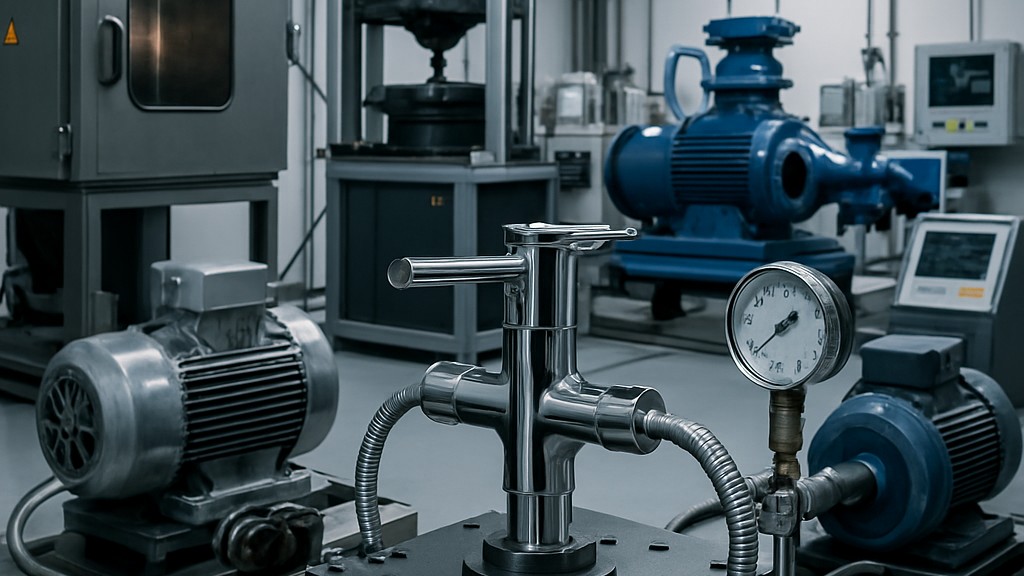
This standard applies to PN 10 mechanical mixing valves used in rooms used for personal hygiene (such as cloakrooms, bathrooms) and kitchens, i.e., in conjunction with sanitary appliances such as bathtubs, sinks, bidets, showers, and basins. Conditions of use and classifications are provided in the table provided in the standard.
For the purposes of this standard, a mechanical mixing valve refers to a valve that mixes hot and cold water and allows the user to adjust between purely cold water and purely hot water via a control device. This means that the flow rate of the resulting mixture can be adjusted between no flow and maximum flow using the same control device or another separate control device.
Mechanical mixing valves must be permanently and legibly marked as follows:
For water-saving mixing valves, appropriate information must be provided to installers and users. For bath or shower mixing valves, the flow rate is indicated by the first letter for the bath outlet and the second letter for the shower outlet.
Control devices for mechanical mixing valves should be defined as follows:
In terms of chemical and hygiene requirements, all materials that come into contact with water intended for human consumption must not pose any health risks. They must not cause any change in the quality, appearance, odor, or taste of drinking water. Regarding exposed surface conditions, visible chrome-plated surfaces and nickel-chrome coatings must comply with the requirements of EN 248.
The main features of the EN 817 standard can be summarized as follows:
The EN 817 standard is primarily used by manufacturers, certification bodies and installers to ensure that mechanical (non-electronic) plumbing is safe, durable and functionally reliable for use in residential and commercial plumbing.
Companies working on a project involving plumbing or plumbing fixtures in Europe often have to comply with the EN 817 standard.
A PN 10 rating indicates that a pipe, valve or fitting is rated to handle a maximum pressure of 10 bar (or 10 bar pressure, equivalent to 1 MPa or approximately 145 PSI) at a reference temperature, typically 20 degrees.
PN (pressure nominal) is a system used to describe pressure ratings for pipes and fittings. PN 10 indicates a maximum working pressure of 10 bar. It is part of a series (for example, PN 6, PN 16, PN 25, and so on) where higher numbers correspond to higher pressure tolerances.
Common applications of PN 10 include:
Temperature affects pressure tolerance. As temperature increases, the maximum safe pressure generally decreases. Actual performance under pressure depends on the material, such as brass, polyvinyl chloride (PVC), or steel. In short, PN 10 means the component can operate safely at 10 bar under normal conditions and is most commonly used in residential and light commercial applications.
Our organization, which has been supporting businesses across all sectors for years through a wide range of testing, measurement, analysis, and evaluation activities, has a strong team of employees who closely follow global developments in science and technology and are constantly improving themselves. In this context, we also provide testing services in accordance with the "EN 817 Plumbing Fittings - Mechanical Mixing Valves (PN 10) - General Technical Specifications" standard.
To get an appointment, to get more detailed information or to request an evaluation, you can ask us to fill in our form and reach you.

