

In the TS 10766 standard published by the Turkish Standards Institute (TSE), the requirements for cellulose acetate molding and extrusion materials are explained. While designing this standard, the ASTM D706 standard developed by the American Testing and Materials Organization (ASTM) was taken as a basis. The full name of this standard is: ASTM-D706-20 The basis of the standard classification system and specifications for cellulose acetate molding and extrusion compounds (CA).
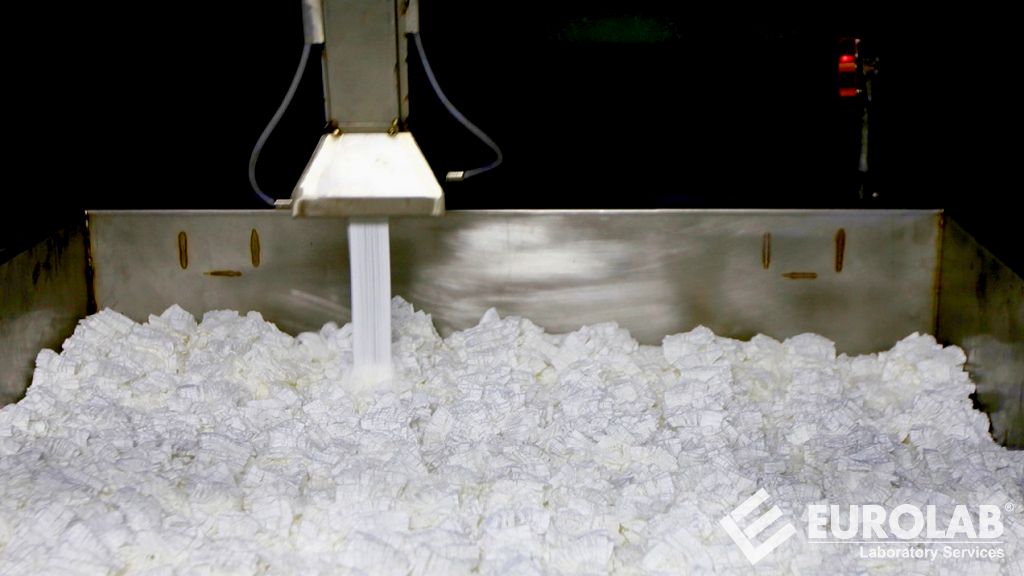
This standard includes plasticized cellulose acetate thermoplastic compounds suitable for injection molding and extrusion. Composite materials for special application or recycled plastics based on cellulose acetate are not covered by this standard.
The properties included in this classification are those required to identify the compositions covered. There may be other requirements necessary to identify certain features that are important for particular applications.
This classification system aims to provide a means of calling plastic materials used in the manufacture of final products or parts. It is not designed for material selection. Material selection should be made by experts in the field of plastics after careful consideration of the design and performance required by the part, the environment it will be exposed to, the fabrication process to be used, the costs involved and the elements inherent in the materials.
Injection molding for cellulose acetate is a technique in which resin is melted and then forced into a mold. It is then cooled so the frame can hold its shape. Cellulose acetate frames can also be injection molded. Cellulose acetate is used in fibers, plastics, photographic films, lacquers, and reverse osmosis or dialysis membranes.
Cellulose acetate is an insoluble cellulose derivative that is considered a non-toxic, non-irritating and biodegradable material. It is heat resistant and less hygroscopic (has the property of absorbing moisture).
The extrusion method is an important plastic forming method used in forming thick-walled profiles. The extrusion method is generally applied for light metals.
Our organization also provides testing services for cellulose acetate molding and extrusion materials within the scope of TS 10766 standard, with its trained and expert staff and advanced technological equipment, among the numerous test, measurement, analysis and evaluation studies it provides for businesses in various sectors.
To get an appointment, to get more detailed information or to request an evaluation, you can ask us to fill in our form and reach you.

