Anti-Corrosion Tests
Corrosion is a natural but detrimental process affecting metals and alloys, leading to the gradual deterioration of materials due to chemical or electrochemical reactions with the environment. Corrosion poses significant challenges in industries such as infrastructure, transportation, and energy. To combat this, corrosion prevention testing plays a critical role in predicting material performance and ensuring the longevity and safety of products across various sectors. Corrosion prevention testing is critical for assessing the corrosion resistance of materials and coatings, ensuring durability and safety in real-world applications.
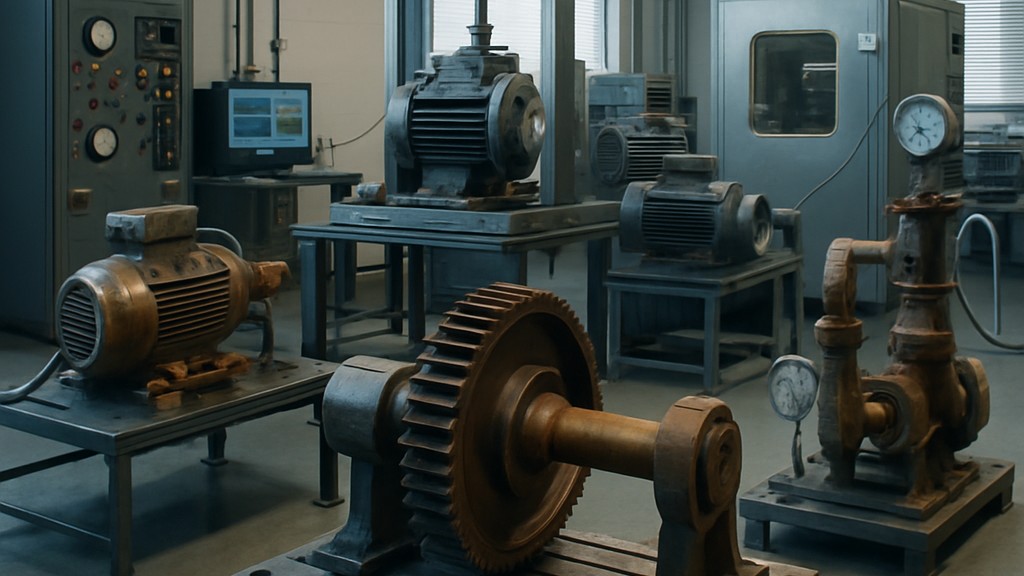
Corrosion prevention testing refers to a set of procedures and assessments designed to determine how well a material or coating resists corrosion under specific environmental conditions. These tests simulate real-world scenarios to measure the durability, effectiveness, and lifespan of materials, coatings, or treatments used to prevent corrosion.
Anti-corrosion testing is very important for the following reasons:
- Ensures material reliability: Regular testing ensures that materials perform effectively in corrosive environments such as marine, industrial or chemical environments.
- Improves safety: Structures and components that fail due to corrosion can cause serious accidents. Testing prevents such risks by identifying weaknesses early.
- Reduces maintenance costs: By specifying the most corrosion-resistant materials or coatings, companies can reduce the frequency and cost of repairs or replacements.
- Compliance and standards: Many industries, including aerospace, automotive, construction, and oil and gas, are subject to regulations requiring certified corrosion inhibitor testing.
Commonly performed anti-corrosion testing methods include:
- Salt spray test (ASTM B117 Standard Practice for Operating a Salt Spray (Fog) Device): One of the most widely used tests, this method involves exposing a material to a controlled salt-laden fog environment to simulate marine or coastal conditions. The duration of the test helps determine the corrosion resistance of the coating or material.
Salt spray testing evaluates the corrosion resistance of metallic materials and coatings by exposing them to a controlled salt fog environment. A 5 percent sodium chloride solution is atomized in a closed chamber at 35 degrees Celsius to simulate harsh, salt-laden conditions, such as those found in coastal areas. The test duration varies depending on the expected resistance of the material or coating. More resistant materials require longer exposure before exhibiting rust or oxidation. This method is cost-effective, standardized, and repeatable, making it ideal for quality control in industries such as automotive and marine. However, it does not fully reflect real-world conditions because it lacks the wet/dry cycles critical for natural corrosion processes.
- Electrochemical corrosion testing: These methods measure the rate of corrosion by applying an electric current and observing electrochemical reactions, providing rapid and precise results. Electrochemical methods, such as potentiodynamic polarization and electrochemical impedance spectroscopy, provide detailed information about a material's corrosion behavior. In potentiodynamic polarization (ASTM G59 Standard Test Method for Potentiodynamic Polarization Resistance Measurements), the material's corrosion potential and rate are measured by applying a range of electric potentials and monitoring the current response. Impedance spectroscopy provides information about corrosion resistance, protective oxide layers, and corrosion kinetics by analyzing the material's impedance to a sinusoidal electrical signal. These methods are particularly useful for examining materials in harsh environments, where accelerated testing simulates long-term exposure. Electrochemical testing is sensitive but requires specialized equipment and expertise.
- Immersion testing (ASTM G31 Standard Guide for Laboratory Immersion Corrosion Testing of Metals): In this method, samples are immersed in various chemical solutions or water to evaluate their performance under continuous liquid exposure. This test method involves immersing material samples in corrosive liquids such as saltwater, acidic, or alkaline solutions for extended periods. The samples are evaluated for weight loss, surface changes, or mechanical property degradation. This method is versatile and allows for customization of the test environment to suit specific applications, such as pipelines or marine structures. Immersion testing provides realistic data on material performance but can be time-consuming compared to accelerated methods.
- Cyclic corrosion testing: This test combines salt spray with other environmental conditions such as humidity, drying, and temperature cycling. It is considered more realistic than a simple salt spray test. This method mimics real-world conditions by exposing materials to alternating wet and dry cycles, temperature changes, and corrosive environments. Unlike continuous salt spray tests, cyclic corrosion testing better mimics natural weathering, making it suitable for coatings and materials exposed to fluctuating conditions, such as outdoor infrastructure or vehicles. ASTM G85 Standard Practice for Modified Salt Spray (Fog) Testing and similar standards provide guidance for these tests, which better predict long-term performance but require sophisticated equipment to control environmental cycles.
- Copper strip corrosion testing: This method evaluates the corrosiveness of petroleum products containing sulfur compounds. A polished copper strip is immersed in the test sample under controlled conditions, typically at elevated temperatures. After a specified time, the strip is examined for discoloration or corrosion. This indicates the product's potential to corrode storage tanks, pipelines, or fuel systems. This test is simple, cost-effective, and widely used for quality assurance and material selection in the petrochemical industry.
- Humidity test (ASTM D2247 Standard Practice for Testing Coatings for Water Resistance at 100 Percent Relative Humidity): This test evaluates how humidity affects the corrosion process by subjecting materials to 100 percent relative humidity at a controlled temperature.
- Specific corrosion tests: Some tests target specific types of corrosion:
- Pitting Corrosion: Evaluates localized corrosion through standards such as ASTM G48, measuring pit density or depth.
- Intergranular corrosion: Tests such as ASTM A262 and ASTM G28 evaluate susceptibility in stainless steels and nickel alloys.
- Stress corrosion cracking: Combines mechanical stress and corrosive environments to evaluate cracking susceptibility (ASTM G36).
- Superhydrophobic surface testing: Measures the corrosion resistance of advanced coatings, such as superhydrophobic surfaces, using electrochemical tests in sodium chloride solutions.
Corrosion testing prevents costly failures and environmental hazards by ensuring material reliability, safety, and longevity. These tests benefit industries such as aerospace, oil and gas, and construction by helping select suitable materials, optimize coatings, and develop corrosion-resistant alloys.
Consequently, corrosion prevention testing is essential for ensuring material durability and safety across various industries. Methods such as salt spray, copper strip, electrochemical, immersion, and cyclic corrosion testing offer a variety of tools for assessing corrosion resistance. By adhering to various international standards, these tests help engineers mitigate corrosion risks, optimize material selection, and reduce economic and environmental impacts.
Our organization, which has been supporting businesses from every sector for years with its wide range of testing, measurement, analysis, and evaluation studies, has a strong workforce that closely follows developments in science and technology worldwide and constantly improves itself. Within this framework, anti-corrosion testing services are also provided to businesses.



