

The standard "EN IEC 60811-2-1 Common test methods for insulation and sheathing materials of electric cables - Part 2-1 Methods specific to elastomeric compounds - Ozone resistance, hot set and mineral oil immersion tests", which is based on a European standard and subsequently published by the International Electrotechnical Commission (IEC), describes the test methods to be used in testing polymeric insulation and sheathing materials of electrical distribution and telecommunication cables, including cables used on ships. This standard includes methods for ozone resistance testing, hot elongation testing and mineral oil immersion testing applied to elastomeric compounds.
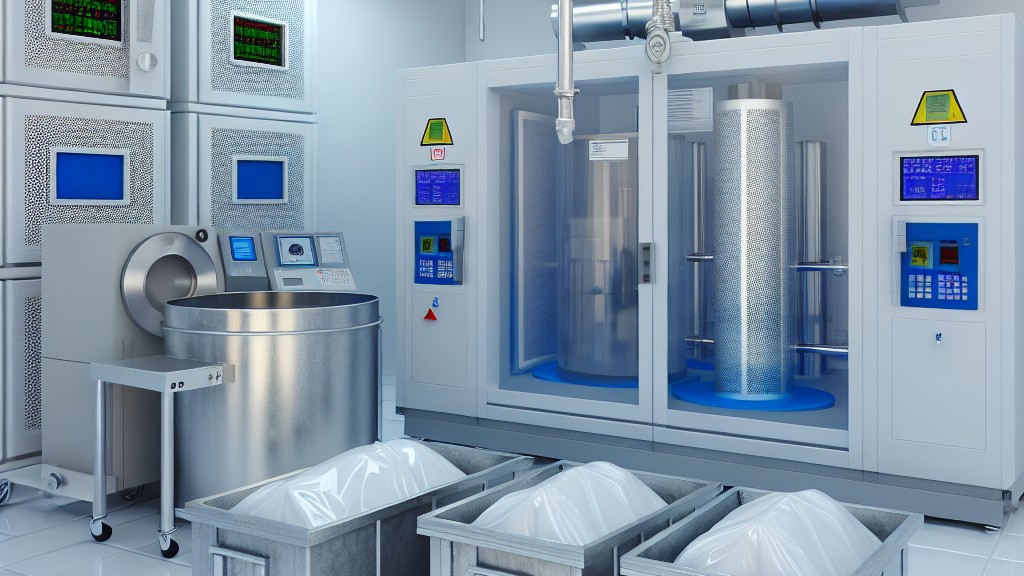
Elastomeric compounds are rubber seals produced using natural rubbers or manufactured by the chemical industry. Elastomeric sealing compounds consist of between 50-60 percent rubber. The remainder of the compound consists of fillers, accelerators, vulcanizers, aging retardants and other additives.
These changes added to the raw materials help to achieve the perfect solution to meet the application requirements and specifications. The elastomers used in such elastomer sealing compounds and o-rings help to prevent leaks in liquids, gases and air. However, it is important to select the right elastomer to ensure the correct chemical and thermal compatibility of the application.
To obtain a suitable sealing material from elastomeric compounds, the compound goes through a vulcanization process where the properties and elements of the elastomer are transformed into a more suitable and durable, functional seal.
Rubber-like solids with elastic properties are called elastomers. The polymer chains in these materials are held together by relatively weak intermolecular bonds, which allow the polymers to stretch in response to macroscopic stresses.
Ozone resistance refers to a material's ability to resist the effects of exposure to ozone, a highly reactive form of oxygen. Ozone-resistant materials can withstand exposure to ozone without degrading or breaking down, making them more durable and long-lasting.
Plastics are not ozone-resistant materials. Ozone can break down plastic materials over time. Plastic materials can lose strength and other mechanical properties even at very low ozone levels. Additives can increase the ozone resistance of some plastics. Elastomers and rubbers are particularly susceptible to ozone damage.
The mineral oil immersion method described in this standard is a mineral oil immersion test method applied to crosslinked compounds generally used for sheathing materials. The purpose of the oil immersion test is to determine whether the material can be classified as oil resistant. According to this standard, this test should be carried out at least 16 hours after extrusion or any crosslinking operation applied to the sheathing material compounds.
During the test, the specimens are immersed in an oil bath heated to the test temperature specified previously and then held in the oil at the temperature for the specified time. The mineral oil to be used is oil number 1817 as specified in the ISO 2 standard. At the end of the specified time, the test pieces are removed from the oil, gently wiped to remove excess oil and suspended in air at ambient temperature for at least 16 hours but not more than 24 hours. At the end of this time, the excess oil is removed by gently wiping the test pieces.
The test pieces are then subjected to tensile and elongation measurements in accordance with this standard. The difference between the median value obtained in the five oil-immersed test pieces and the median value obtained in the comparison of the untreated test pieces must not exceed the percentage specified in the standard for the cable type.
Our organization, which has been trying to support businesses from every sector with its testing, measurement, analysis and evaluation studies carried out in a wide range for years, has a strong staff that closely follows the developments in the world in the field of science and technology and constantly improves itself. In this context, testing services in accordance with the standard “EN IEC 60811-2-1 Common test methods for insulation and sheath materials of electric cables - Part 2-1 Methods specific to elastomeric compounds - Ozone resistance, hot set and mineral oil immersion tests” are also provided to businesses.
To get an appointment, to get more detailed information or to request an evaluation, you can ask us to fill in our form and reach you.

