

The standard, "UL 499 Electric Heating Appliances," developed by Underwriters Laboratories (UL), describes the requirements for heating appliances rated at 600 volts or less for use in locations not classified under the National Electrical Code (NEC), ANSI/NFPA 70. These requirements do not cover electric heating equipment or appliances covered by individual requirements separate from this standard.
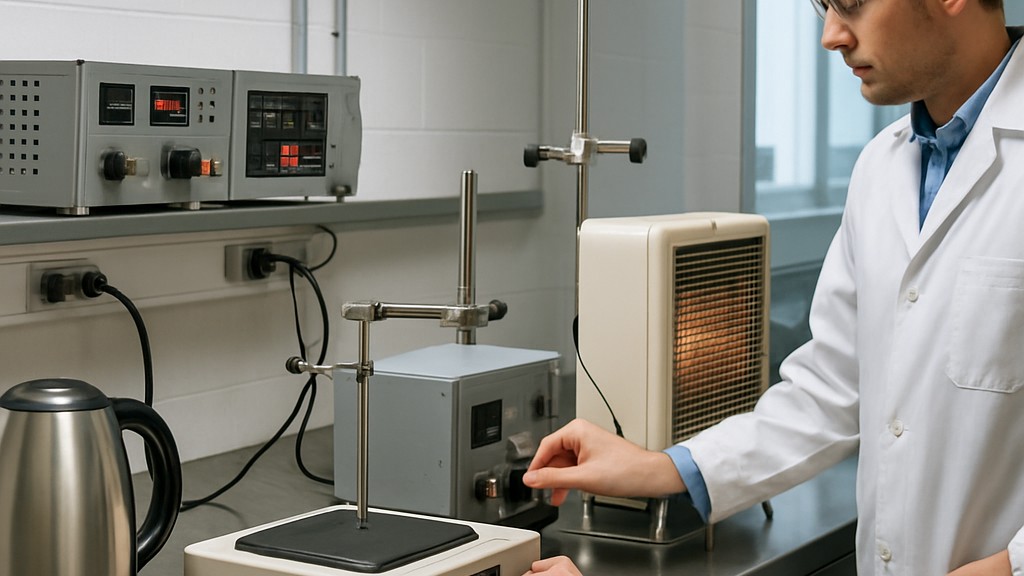
For the purposes of this standard, a heating appliance is defined as an electrically operated product that produces heat, directly or indirectly, to perform its intended function.
These requirements also cover electrically powered products that produce steam for purposes other than space heating and have an electrical power output of 15 kW or less per steam generating vessel.
Except for those specified for steam bath generators, steam generating products of the type described in this standard and having an electrical input power exceeding 15 kW per steam generating vessel are evaluated in accordance with the requirements of the standard “UL 834 Heating, water supply and power boilers - Electric”.
Each steam generation vessel in a multi-vessel unit must comply with these requirements. The unit must also be marked in accordance with this standard.
In an era where electric heating devices are becoming increasingly common in homes, industries, and commercial spaces, ensuring their safety is paramount. From portable heaters to industrial furnaces and steam generators, these devices generate heat to perform essential functions, but if not properly designed and tested, they also pose risks such as electric shock, fire, and burns. This is where UL 499 comes in. This standard provides comprehensive guidelines to mitigate these hazards. This standard was developed to address modern technologies and emerging risks, and its latest revisions reflect the ongoing innovations in heating equipment.
The UL 499 standard remains a key element for manufacturers seeking certification, helping to protect both consumers and employees. This standard is a safety standard specifically designed for electric heating devices. It includes rigorous testing and construction criteria to ensure reliable operation of these devices without endangering users or property. This standard applies to products rated at 600 volts or less and designed for use in ordinary (non-hazardous) locations. Essentially, this standard defines a heating device as an electrically operated product that produces heat, either directly or indirectly, to achieve its intended function. This broad definition encompasses a wide range of devices, including:
In particular, higher-power steam generators (over 15 kW) are subject to UL 834 for electric boilers. UL 499 does not cover appliances designed primarily for space heating, which are subject to UL 1278 and similar standards.
The primary purpose of this standard is to prevent malfunctions that could lead to overheating, short circuits, or mechanical failures. Compliance with this standard is often mandatory for market access because it is recognized by regulatory bodies such as OSHA and building codes.
Achieving UL 499 certification is a multi-step process for manufacturers:
Once certified, the UL mark on a product indicates to buyers and inspectors that the product meets rigorous safety criteria. This not only increases marketability but also reduces liability.
With today's shift to climate-driven electrification (e.g., all-electric homes) and smart appliances, the role of the UL 499 standard has never been more critical. Electric heating accounts for a growing share of energy use, but so do the risks. Furthermore, global harmonization efforts are facilitating exports by aligning UL 499 with international standards like IEC 60335. For innovators, the standard encourages safer designs (such as heaters with remote shut-off features).
In conclusion, the UL 499 standard is not just a technical standard; it's a safety measure for modern life. Whether in homes or factories, this standard ensures that equipment operates without overheating. As technology advances, so too will the UL 499 standard, promising a safer future.
Our organization, with its competent and experienced team, has been understanding our customers' needs for years, providing them with advanced testing services, and assisting them in establishing, implementing, and improving management systems. In this context, we also provide testing services in accordance with the UL 499 Electric Heating Devices standard.
To get an appointment, to get more detailed information or to request an evaluation, you can ask us to fill in our form and reach you.

