

The European standard "EN 50125-2 Railway applications - Environmental conditions for equipment - Part 2: Fixed electrical installations" mainly considers the environmental conditions in the countries of the European Union. This standard considers the environmental effects on fixed electrical installations for traction power supply and on the equipment required to operate a railway system in the open air, in closed areas, in tunnels and in enclosures installed in these areas. However, escalators, lifts, fire protection, lighting in tunnels and on platforms, ticket machines, ventilation systems and non-essential functions are outside the scope of this standard.
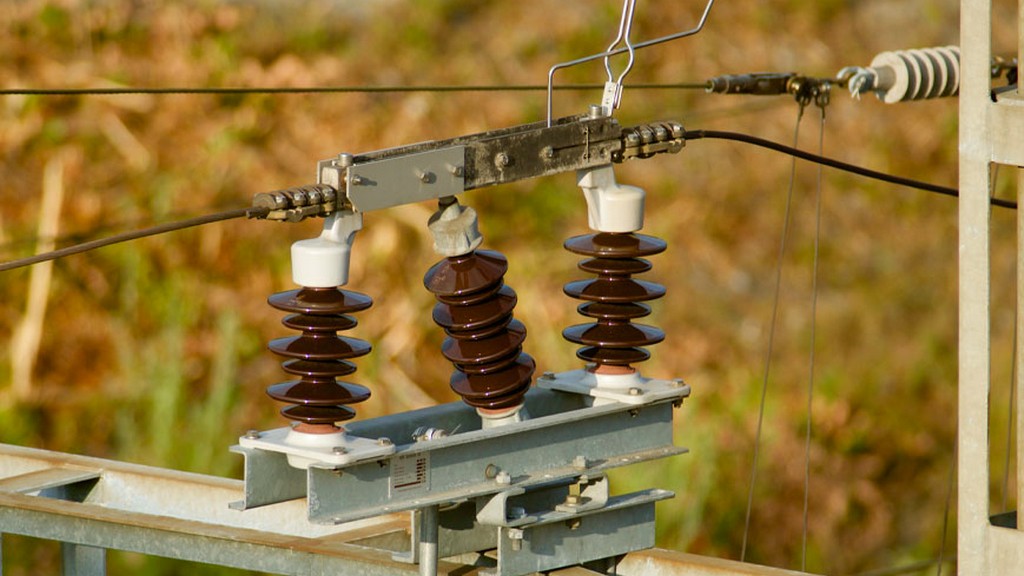
These effects include altitude, temperature and humidity, air movement, rain, snow, hail, ice, sand, solar radiation, lightning, pollution, vibration, shocks, and electromagnetic compatibility (EMC).
This standard does not specify test requirements for equipment. In case of environmental conditions not covered by the standard, the data to be adopted for a particular project should be clearly stated when preparing a specification.
This standard is not intended to apply to cranes, underground mine installations, suspended cable cars and funicular railways. Nuclear radiation is also excluded. Signalling and telecommunication systems are not considered in this standard. Permanently installed signalling and telecommunication equipment must comply with "EN 50125-3 Railway applications - Environmental conditions for equipment - Part 3: Signalling and telecommunication equipment".
For the purposes of this standard, the following definitions apply:
In terms of environmental conditions, the purchaser must clearly state the class to be taken into account in his specification. Otherwise, the class specified in the product standard, if any, shall apply. If no other specification is specified, the requirements in this standard shall be used.
Environmental conditions are considered for normal operation. More severe conditions may be specified to ensure that the equipment can withstand damage during downtime. An example of such a condition is wind speeds high enough to cause cables to snap but not high enough to tear the overhead contact line. Microclimates surrounding components may have special requirements that are covered by product standards.
The severity levels indicated are those with a low probability of being exceeded. All values indicated are maximum or minimum limits. These values may be reached but will not occur permanently. Depending on the situation, there may be different frequencies of occurrence over a given time period. These frequencies of occurrence are not included in this standard but should be taken into account for any environmental parameter if relevant.
The altitude relative to sea level is important for air pressure. Air pressure should be taken into account in accordance with the standard “HD 478.2.3 Classification of environmental conditions - Part 2: Environmental conditions observed in nature - Air pressure”.
The different altitude classes above sea level in open air at which the equipment will perform as specified are given in the table within the standard.
For outdoor air temperature and humidity, the climates according to the table in the HD 478.2.1 standard should be used, except for the first and last two climates. These values are shown in the figures in the HD 478.2.1 standard. For areas protected from the weather, information is given in the EN 60721-3-3 standard. Different values are possible depending on national requirements. These values must be agreed individually between the purchaser and the supplier in accordance with local conditions. In principle, air temperatures are measured in the shade. Humidity values can be 100 percent. When assessing the temperature of an object, the effects of thermal radiation from the ground or the proximity of other large objects must be taken into account.
Among the numerous testing, measurement, analysis and evaluation studies that our organization has carried out for businesses in various sectors, it also provides testing services defined in the standard “EN 50125-2 Railway applications - Environmental conditions for equipment - Part 2: Fixed electrical installations” with its trained and expert staff and advanced technological equipment.
To get an appointment, to get more detailed information or to request an evaluation, you can ask us to fill in our form and reach you.

