

The IMDG code (international maritime dangerous goods code) has been developed as an international code for the transport of dangerous goods in packages by sea, in order to ensure and harmonize the safe transport of dangerous goods and to prevent environmental pollution. This code lays down in detail the requirements applicable to each substance, material or object covering topics such as packaging, container traffic and stowage, with particular reference to the separation of incompatible materials.
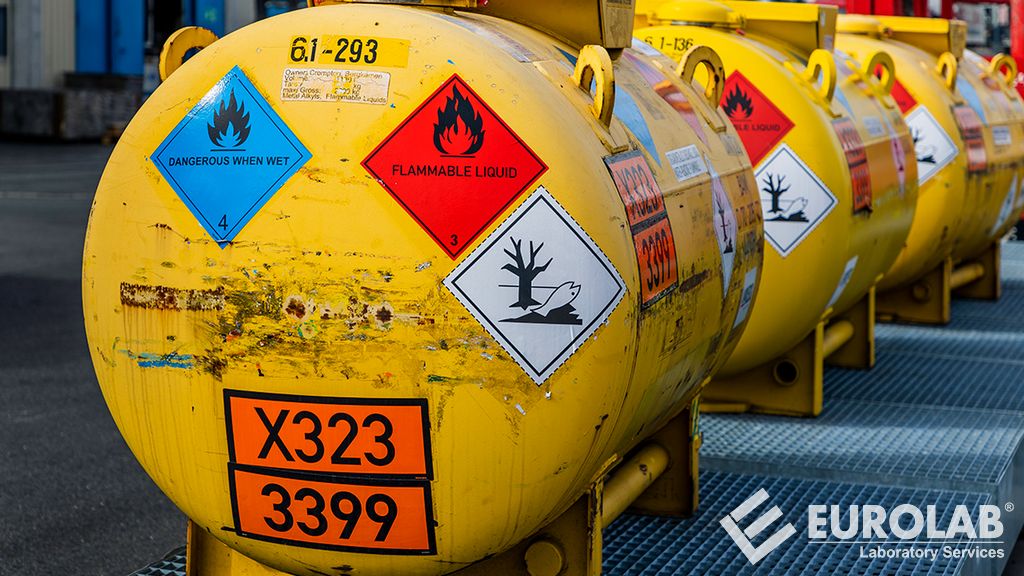
The rules contained in the IMDG code are advisory. It generally covers the following topics: notification of violations, training, safety provisions, explosives entry notes, determination of flash point, separation flowchart and example, multimodal dangerous goods form, special requirements in the event of an incident involving dangerous goods and fire precautions, and the main national competent authorities designated for contact information.
After the IMDG code was first published, it has undergone many changes in both appearance and content to keep up with the ever-changing needs of the industry.
Dangerous goods in IMDG categories are not defined as an everyday hazard. In contrast, a dangerous good is defined as a substance that, if mishandled, poses a hazard to cargo, equipment and workers. To avoid the consequences of mishandling materials, shipping companies should be aware of best practices for handling any dangerous goods they transport.
The IMDG code categories include the nine IMDG code classes and their materials:
The IMO (International Maritime Organization) regularly updates the IMDG regulations to provide user codes and regulations that keep a company's shipping processes secure.
Our organization also provides testing and analysis services within the scope of the IMDG code (International Maritime Dangerous Goods Code), with its trained and expert staff and advanced technological equipment, among the numerous test, measurement, analysis and evaluation studies it provides for businesses in various sectors.
To get an appointment, to get more detailed information or to request an evaluation, you can ask us to fill in our form and reach you.

