

The IEEE C57.12.31 Pole-mounted equipment - Enclosure integrity standard, published by the Institute of Electrical and Electronics Engineers (IEEE), describes conformity test methods and requirements for the enclosure integrity of carbon steel pole-mounted enclosures containing devices energized above 600 Volts and not used in coastal or other harsh environments. These enclosures are typically located out of public access and include, but are not limited to, the following equipment enclosures: pole-mounted distribution transformers, pole-mounted switches, pole-mounted regulators, pole-mounted measuring equipment, pole-mounted reclosers, and pole-mounted switchgear.
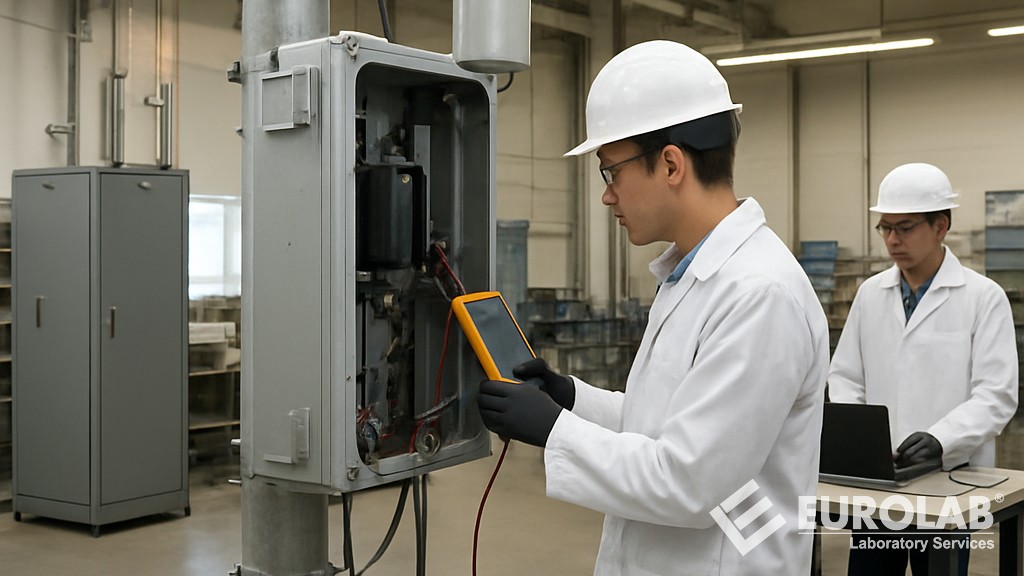
In the complex network of electrical distribution systems, pole-mounted equipment stands out as an elevated, robust, and often overlooked cornerstone. These enclosures house critical components such as transformers, switches, and regulators, positioned high above streets and sidewalks to serve both urban and rural grids. However, elevated construction does not guarantee invincibility. Exposure to weather, pollutants, and time can erode their protective coatings, leading to corrosion, failures, and costly outages.
The IEEE C57.12.31 standard was developed to meet the demands of modern power infrastructure. This standard emphasizes rigorous testing for coating durability, reflecting lessons learned from years of field applications and material innovations. Ongoing work points to potential updates addressing emerging threats such as extreme weather conditions.
The EEE C57.12.31 standard includes conformity tests and requirements for the cladding integrity of carbon steel housings used in pole-mounted electrical equipment. This applies to devices that receive power above 600 Volts and are designed for non-harsh environments. The need for this standard is increasing, particularly in inland urban areas rather than salty coastal regions.
This standard minimizes direct intervention risks by targeting enclosures typically installed in locations inaccessible to the public, but it does not mitigate environmental risks. This standard generally covers the following:
Unlike ground-mounted pad-mounted devices subject to the IEEE C57.12.28 standard, these elevated enclosures prioritize corrosion resistance over protection against mechanical tampering, given limited accessibility. The latest revision of this standard clarifies exceptions for harsh environments and improves test protocols for better repeatability.
Pole-mounted enclosures are the silent guardians of the grid, protecting high-voltage internal components from moisture, UV radiation, and airborne pollutants. A damaged coating not only corrodes the metal but also invites wildfires or electrical failures that could black out neighborhoods, as well as oil spills and arcing. In an era of more frequent storms and sudden increases in pollution, robust coatings mean fewer maintenance calls and a longer service life.
For public utilities, compliance with the IEEE C57.12.31 standard means regulatory compliance (e.g., NESC compliance) and cost savings. Studies show that corrosion-related failures account for up to 20 percent of distribution outages. Manufacturers achieve level playing field with standardized testing that provides global supply. This standard provides safer and more reliable power, especially in remote or overhead line-dependent areas where underground alternatives are not feasible.
The IEEE C57.12.31 standard focuses on coating systems, which are multi-layer paints or powders typically applied to carbon steel, in terms of adhesion, thickness, and environmental resistance. Testing combines routine quality control with type and design verifications, utilizing ASTM methods for objectivity.
The main test methods defined in this standard include the following:
These measurements confirm that the coatings perform under normal indoor conditions, excluding cases of intentional damage or excessive contamination.
According to IEEE case studies, utility companies using compliant enclosures report 30 percent less corrosion interference, aiding grid modernization amid electric vehicle growth and renewable energy sources. Manufacturers must obtain certification through accredited laboratories.
In short, the IEEE C57.12.31 standard is a corrosion-resistant shield that protects power lines from faults. By mandating tested coatings, it strengthens pole-mounted equipment against the effects of time and ensures uninterrupted power supply. As grids become more digital and weather conditions intensify, the role of this standard is increasingly important.
For many years, our organization, with its competent and experienced staff, has been understanding the needs of its customers, providing the advanced testing services they require, and assisting in the establishment, implementation, and improvement of management systems. Within this framework, we also provide testing services to businesses in accordance with the "IEEE C57.12.31 Pole-mounted equipment - Enclosure integrity" standard.
To get an appointment, to get more detailed information or to request an evaluation, you can ask us to fill in our form and reach you.

