

The requirements of the standard, "UL 489 Molded case circuit breakers, molded case switches, and circuit breaker enclosures," developed by Underwriters Laboratories (UL), apply to molded case circuit breakers, circuit breaker and ground fault circuit interrupters, fused circuit breakers, high fault protectors, and high fault modules. These circuit breakers are specifically designed to provide service entrance, feeder, and branch circuit protection in accordance with National Installation Codes (Appendix B). This standard also covers instantaneous trip circuit interrupters (circuit breakers) specifically designed for use as part of a combination motor control device in accordance with National Installation Codes (Appendix B).
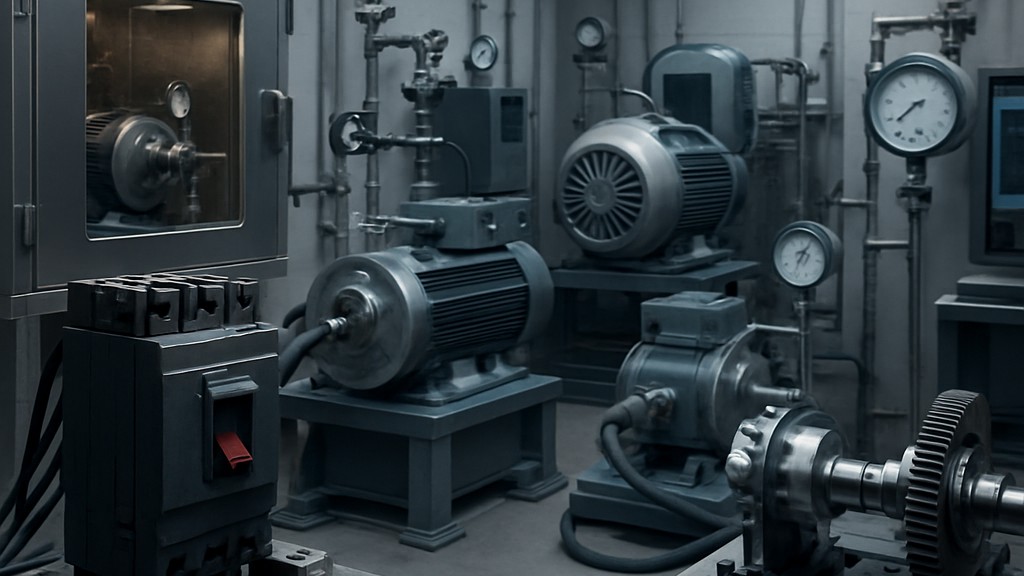
This Standard applies to molded case switches and molded case switches with fuses. This Standard applies to devices rated at 1000 Volts AC and 1500 Volts DC or less and 6000 amperes or less.
The devices referenced above are designed to be installed in a single enclosure or as part of other devices, such as switchboards. The acceptability of the combination is determined upon inspection of the entire product.
This standard applies to circuit breaker enclosures and accessory devices designed for use with the devices described above.
This standard does not apply to low-voltage power circuit breakers or supplementary protectors specified in Annex B.
This standard includes annexes covering the following requirements for molded case circuit breakers:
Underwriters Laboratory (UL) offers services ranging from certifying personnel, products, facilities, processes, and systems to identifying and closing regulatory gaps, verifying compliance, and maintaining customer certifications. The organization also collaborates with its customers to help them maintain best practices across their businesses and value chains.
The National Electrical Code defines a branch circuit as the circuit conductors between the final overcurrent device protecting the circuit and the receptacles. Devices conforming to UL 489 automatically trip to protect wires and cables when overloads and short circuits occur. A branch circuit overcurrent device is a device capable of providing protection for service, feeder, and branch circuits and equipment over the entire overcurrent range between its rated current and its interrupting value.
The UL 489 standard can be used in the following applications:
In the UL 489 standard, the test sequences for 40-degree resistant electronic circuit breakers and uncompensated thermal-magnetic circuit breakers are specified as follows:
As advancements like robotics increase the complexity of equipment, so too does the risk of injury and disaster. It's crucial for engineers to take the necessary steps to ensure the safety of their equipment and the end users or consumers of their products. One such step is a thorough understanding of UL standards.
UL 489 is a safety standard. Specifically, it covers molded case circuit breakers, which are electrical devices designed to protect circuits from overcurrent conditions such as short circuits or overloads by interrupting the flow of electricity when necessary . These breakers are commonly used in branch circuit protection in residential, commercial, and industrial applications. In short, this standard helps reduce fire and electric shock hazards by ensuring that electrical systems are safe and reliable.
In the world of electrical safety, standards like UL 489 play a critical role in ensuring the reliability and protection of electrical systems. This standard is the definitive standard for molded case circuit breakers, which are required to protect electrical circuits from overcurrent conditions such as overloads and short circuits. This standard imposes stringent requirements to ensure reliable operation of molded case circuit breakers under a variety of conditions. Some of the key requirements include:
Molded case circuit breakers conforming to UL 489 are widely used in a variety of environments due to their versatility and robust protection capabilities. Common applications include:
Compliance with the UL 489 standard is critical for the following reasons:
Ultimately, the UL 489 standard is the cornerstone of electrical safety, ensuring that molded case circuit breakers provide rugged, reliable protection for a wide variety of applications. By establishing rigorous standards for construction, performance, and testing, this standard helps protect life and property from electrical hazards. Understanding and complying with this standard is essential for compliance and safety.
Our organization, which has been operating for many years and meticulously follows global developments in science and technology, employs a skilled team and extensive infrastructure to conduct testing, measurement, and analysis in a wide range of areas for businesses across all sectors. In this context, we also provide testing services in accordance with the UL 489 Molded case circuit breakers, molded case switches, and circuit breaker enclosures standard.
To get an appointment, to get more detailed information or to request an evaluation, you can ask us to fill in our form and reach you.

