

The “API 17F Submarine Production Control Systems Standard,” developed by the American Petroleum Institute (API), applies to the design, manufacture, testing, installation, and operation of submarine production and processing control systems. This standard covers surface control system equipment, submarine-mounted control system equipment, and control fluids. This equipment is used for controlling submarine oil and gas production and processing, as well as for submarine water and gas injection services. Where appropriate, this standard may also be used for secondary users.
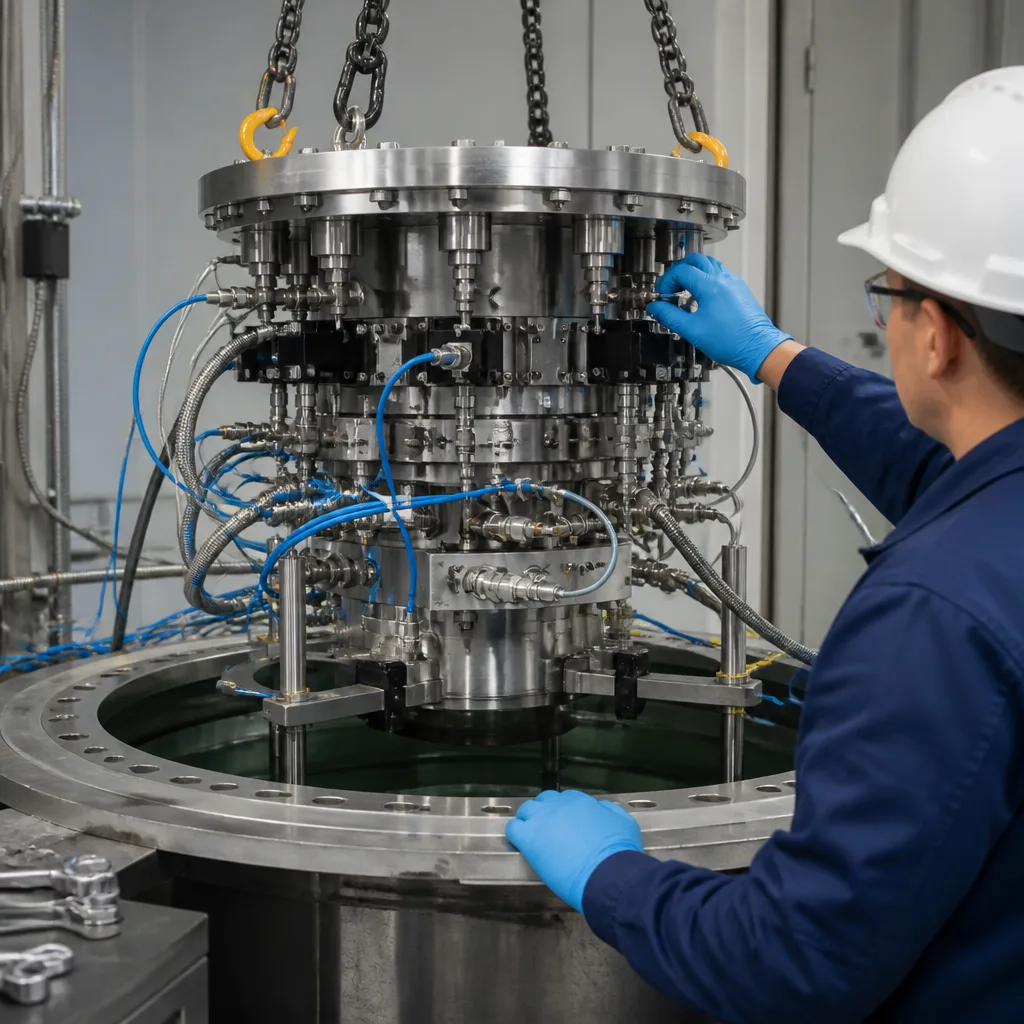
In the offshore oil and gas industry, submarine production systems operate in some of the world's most challenging environments. Reliability, safety, and interoperability are critical because failures can lead to costly downtime, environmental incidents, and difficult underwater repairs. To overcome these challenges, the American Petroleum Institute (API) developed API 17F, a globally recognized standard for submarine production and processing control systems.
This standard specifies the design, manufacture, testing, installation, and operation requirements for submarine production control systems. It provides guidance for both surface and submarine equipment used to control offshore oil and gas production, as well as water and gas injection systems.
API 17F is an industry standard published for submarine production and processing control systems. Recent versions of this standard have expanded its scope to include submarine processing applications. This standard applies to:
This standard's latest version, API STD 17F, reflects modern submarine technologies, including digital communications, intelligent well systems, and advanced submarine handling capabilities.
The primary objective of this standard is to ensure the safe, reliable, and standardized operation of submarine production control systems. Offshore production environments are extremely complex, with equipment installed at great depths and exposed to extreme pressures, corrosive fluids, and low temperatures.
This standard helps operators and manufacturers in the following areas:
By following the API 17F standard, companies can increase consistency across projects and reduce engineering uncertainties.
The main components covered under API 17F are as follows:
One of the most important aspects of the API 17F standard is the emphasis it places on testing and qualification. This standard specifies the following procedures:
These tests help ensure the systems can withstand real submarine operating environments before deployment.
Submarine interventions are extremely expensive and technically challenging. A single piece of equipment failure can cause very large production losses. Therefore, the API 17F standard places great emphasis on the following:
This standard promotes robust design philosophies that minimize maintenance requirements and maximize operational uptime.
The API 17F standard is widely used in the following areas:
Major offshore operators and submarine equipment manufacturers rely on the API 17F standard to ensure compatibility and compliance in international projects.
In conclusion, the API 17F standard plays a critical role in the offshore oil and gas industry by providing a structured framework for the design and operation of submarine production control systems. Its requirements help ensure safety, reliability, and standardization in challenging deep-water environments.
As offshore developments advance into deeper waters and increasingly adopt digital technologies, the API 17F standard continues to evolve to meet modern engineering demands. For operators, manufacturers, and engineers, understanding and implementing this standard is crucial for successful submarine project execution and long-term operational performance.
For many years, our organization, with its competent and experienced team, has been understanding the needs of its clients, providing the advanced testing services they require, and assisting them in the establishment, implementation, and improvement of management systems. Within this framework, we also provide testing services compliant with the API 17F standard.
To get an appointment, to get more detailed information or to request an evaluation, you can ask us to fill in our form and reach you.

