

The “ UL 21 LP-gas hose” standard, developed by Underwriter Laboratories (UL) , describes the requirements for hoses and hose assemblies with a nominal inner diameter of up to 102 mm intended for conveying liquefied petroleum gas (LP-gas) in closed systems, in accordance with the “NFPA 58 Liquefied Petroleum Gas Code” standard published by the National Fire Protection Association.
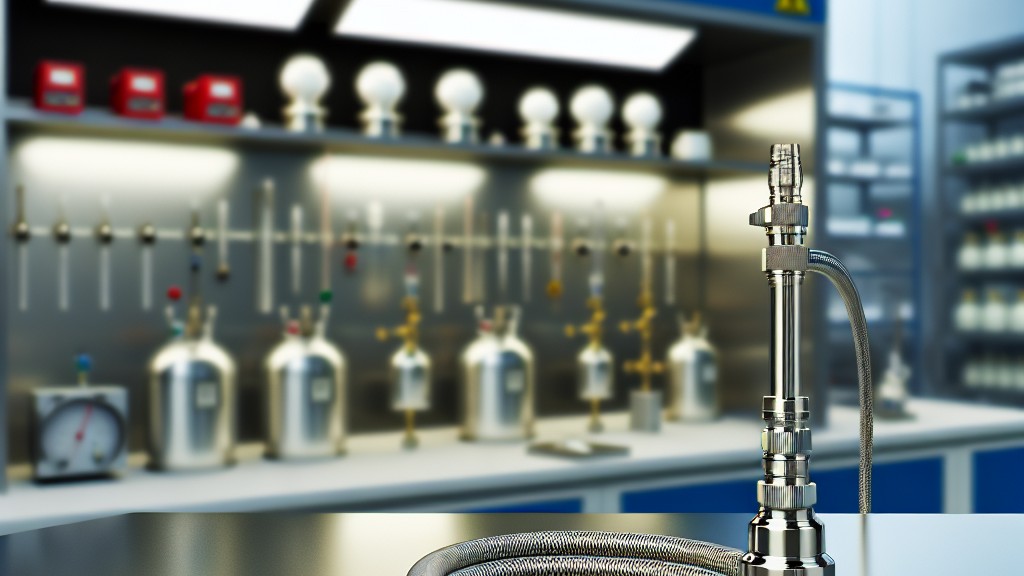
The industry benchmark for safe LP-gas storage, handling, transportation and use, NFPA 58 standard reduces risks and ensures safe installations to prevent malfunctions, leaks and tampering that can lead to fires and explosions.
Hose or hose assembly conforming to UL 21 is designed for a maximum working pressure of 40 kPa for use in temperatures ranging from minus 60 degrees to plus 54 degrees or minus 60 degrees to plus 2400 degrees. Hose and hose assemblies larger than 50,8 mm are not intended for use on reels.
The following are outside the scope of this standard:
Gas hoses are primarily used to transfer propane, butane, natural gas, nitrogen, and other liquid gases. They have pinhole caps that allow gas and vapors passing through the hose body to escape rather than becoming trapped between the hose reinforcement and the cap, causing the cap to bubble or bulge. Gas hose assemblies come with fittings installed on each end of the hoses for connection to compatible equipment.
LP-gas hoses provide a reliable and efficient method of transporting gas between different points and over long distances. These hoses play a vital role in many industries, from powering pneumatic tools to providing natural gas for heating and cooking. They come in a variety of materials, sizes and designs to suit different applications and can provide flexibility, durability and resistance to heat, chemicals and abrasion.
Hose materials such as rubber and PTFE (Teflon) are permeable to some extent, allowing gas molecules to enter or exit through the pores of the hose. This outward gas diffusion causes pressure drops, resulting in excessive energy consumption and poor system performance. Gas diffusion can be particularly dangerous in applications involving flammable gases. Additionally, other gases can enter the hoses and cause contamination.
Liquid propane gas hose manufactured in accordance with UL 21 standard is for LP gas use only. The molecules of natural gas are small, which increases its ability to pass through standard rubber or PVC hose structures. As operating pressure increases, the permeation process is faster and natural gas accumulates with potentially dangerous results. Non-permeable pipe or hose with barrier structures are used to convey natural gas.
Our organization, which has been trying to support businesses from every sector with its wide range of testing, measurement, analysis and evaluation studies for years, has a strong staff that closely follows the developments in the world in the field of science and technology and constantly improves itself. In this context, testing services in accordance with the "UL 21 LP-gas hose" standard are also provided to businesses.
To get an appointment, to get more detailed information or to request an evaluation, you can ask us to fill in our form and reach you.

