

The ASME B31.3 Process Piping standard, published by the American Society of Mechanical Engineers (ASME) , includes piping requirements typically found in the following areas:
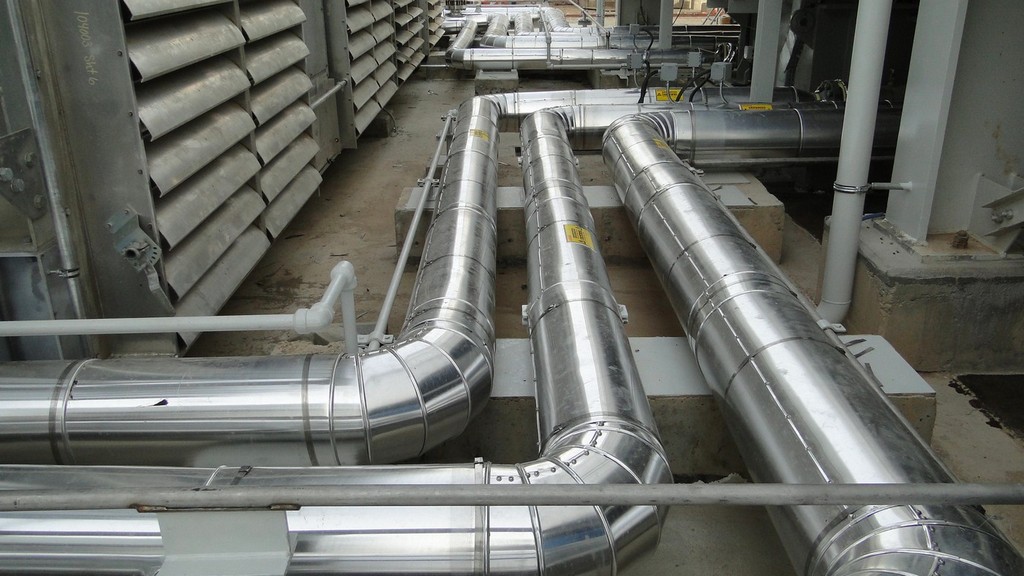
This standard covers piping materials and components, design, fabrication, erection, erection, inspection, inspection and testing.
This standard is valid for piping systems for all fluids, including:
Additionally, piping connecting components or stages in a packaged equipment assembly is within the scope of this standard.
ASME B31.3 is one of ASME's most sought-after standards. It is a companion to ASME B31.1 Power Piping, as well as the other standards in the ASME B31 series. Together, they remain essential references for anyone interested in piping.
Careful implementation of these standards helps users comply with applicable regulations in their jurisdictions, while many industries benefit from the operational, cost and security benefits of these standards.
These standards are intended for manufacturers, users, constructors, designers and others involved in the design, fabrication, installation, erection, inspection, inspection and testing of piping and all potential governing bodies.
The ASME B31.3 standard is one of the most important standards for industries that depend on safe and reliable piping systems. From oil and gas facilities to petrochemical plants and power generation facilities, process piping systems play a vital role in daily operations. Any failure in these systems can lead to serious safety risks, environmental hazards, and costly downtime.
Industries use process piping systems primarily to transport or process chemicals, oil and gas, or other hazardous materials. The purpose of this standard is to ensure the safe operation of piping systems under the harsh conditions typically encountered in these industries.
ASME standards define a set of guidelines that determine how piping systems should be designed to withstand high pressures, temperatures, and mechanical stresses. The ASME B31,3 standard focuses not only on the materials used but also on installation methods.
The ASME B31.1 and ASME B31.3 standards differ from each other in the following respects:
In short, the ASME B31.3 standard is a critical framework for ensuring the safety, reliability, and efficiency of piping systems in the oil and gas, petrochemical, pharmaceutical, and many other industries. This standard provides comprehensive guidelines for the design, fabrication, inspection, and testing of process piping systems handling a wide variety of fluids at varying pressures and temperatures.
ASME B31.3 applies to process piping systems used in facilities such as petroleum refineries, chemical plants, pharmaceutical plants, and food processing plants. This standard covers piping systems for feedstock, intermediate and finished chemicals, petroleum products, gas, steam, air, water, fluidized solids, refrigerants, and cryogenic fluids. This standard also covers piping for interconnecting equipment in packaged assemblies. However, it excludes low-pressure systems (0 to 15 psi) handling non-flammable, non-toxic liquids in the temperature range of -29°C to +180°C, and pipelines covered by other ASME B31 standards, such as ASME B31.1 for power piping or ASME B31.4 for fluid transportation pipelines.
The key features of the ASME B31.3 standard are:
The ASME B31.3 standard is used in industries where process piping is critical:
This standard defines responsibilities for facility owners, designers, manufacturers, and inspectors, providing flexibility in engineering decisions while ensuring safe design and construction.
The ASME B31.3 standard is recognized worldwide for its comprehensive approach to process piping safety. Its benefits include:
The European equivalent standard to this standard is EN 13480, which is part of the pressure equipment directive.
As a result, the ASME B31.3 standard is the cornerstone of process piping design, construction, and maintenance, providing a robust framework for safe and reliable operations. Its comprehensive guidelines, regular updates, and global recognition make it essential for industries working with critical fluids. By adhering to the ASME B31.3 standard, organizations ensure compliance, reduce risks, and protect personnel, assets, and the environment by maintaining the highest standards of safety and performance.
Our organization, which has been serving for many years and meticulously following global developments in science and technology, conducts testing, measurement, and analysis in a wide range of areas for businesses in every sector with a skilled team and extensive infrastructure. In this context, we also provide testing services in accordance with the ASME B31.3 Process Piping standard.
To get an appointment, to get more detailed information or to request an evaluation, you can ask us to fill in our form and reach you.

