

Directive 2010/30/EU of the European Parliament and of the Council regulates the principles of labeling and displaying the consumption of energy and other resources by energy-related products with standard product information.
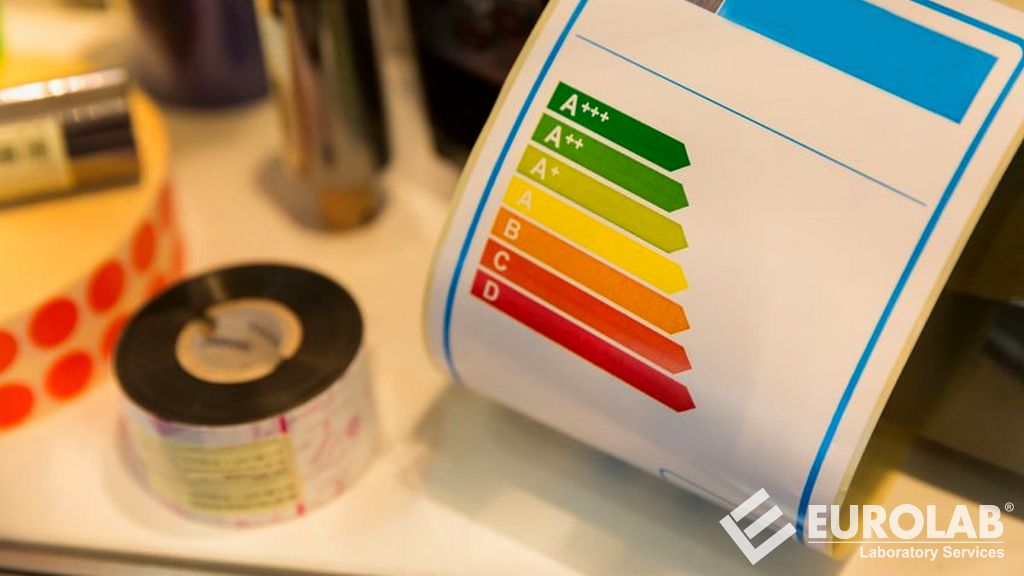
The said directive establishes a framework for harmonization of national measures on end-user information, in particular through labeling and standard product information, additional information on energy consumption and other essential sources and energy-related products in use.
This directive applies to energy-related products that have a significant direct or indirect impact on energy consumption and, where relevant, other essential resources during use.
The energy label is an important strategy for energy saving in the white goods industry. There are many regulations regarding standards and labels, but not much is known about their potential and limits. Although successful standards and labels have been introduced in many countries, their implementation lacks a unique structure, the same energy policy framework and citizen awareness.
The Energy Labelling Directive mandates the display of energy labels on energy-related products placed on the market. These labels indicate energy performance and consumption, aiming to encourage the sale of more energy-efficient and environmentally friendly models. The directive was prepared taking into account differences within product families and detailing the energy label for specific product groups within those families. The European Union energy label includes information such as energy efficiency class and energy efficiency indices.
The energy labeling directive 2010/30/EU determined the strategies regarding the test procedure as follows:
Our organization, among the numerous test, measurement, analysis and evaluation studies it provides for businesses in various sectors, also provides the necessary testing services within the scope of the energy labeling directive numbered 2010/30/EU with its trained and expert staff and advanced technological equipment.
To get an appointment, to get more detailed information or to request an evaluation, you can ask us to fill in our form and reach you.

