

The ANSI/BIFMA X5.1 standard, published jointly by the American National Standards Institute (ANSI) and the Association of Commercial and Institutional Furniture Manufacturers (BIFMA), defines requirements for chairs used for general purposes and describes test methods. This standard today includes 20 test methods, all of which relate to office chairs that offer different features. Among these, the ANSI/BIFMA X5.1-17 standard describes the stop test method for seats with manually adjustable seat depth.
In this test method, a load of 136 kg for adults and 41 kg for children is applied to the seat for 1 minute and no failure or permanent deformation is expected. During the test, the vertical load is applied evenly across both arms through a 13 cm wide board.
In general, the ANSI/BIFMA X5.1 standard provides a common basis for manufacturers, specifiers and users to evaluate the safety, durability and structural adequacy of general purpose office chairs.
The ANSI/BIFMA X5.1-17 standard also includes tests to determine the durability of seat casters and seat legs. These tests are carried out by applying a load of 102 kg to the seat, and 2000 cycles are made over obstacles and 98 thousand cycles on a smooth surface. The number of cycles per minute is 10. In the wheel holding test, a pulling force of 2,3 kg is applied. Under this force, the wheel should not leave the seat.
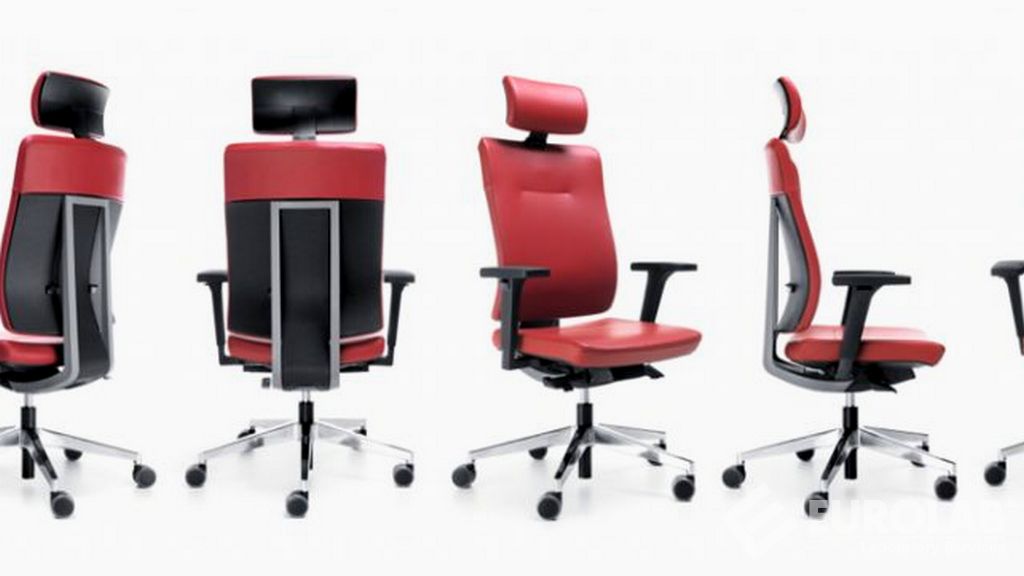
In short, in ANSI/BIFMA X5.1-17 standard, both endurance cycle test and wheel grip test are applied. This standard prescribes three types of chairs:
Among the numerous tests, measurements, analyses, and evaluations our organization provides for businesses in various sectors, we also offer stop test services for manually adjustable seat depth office chairs, in accordance with the ANSI/BIFMA X5.1-17 standard, thanks to our trained and expert staff and advanced technological equipment.
To get an appointment, to get more detailed information or to request an evaluation, you can ask us to fill in our form and reach you.

