

The "DIN 68861 Furniture Surfaces" standard, developed by the German Institute for Standardization (DIN), consists of the following subsections published under the same title:
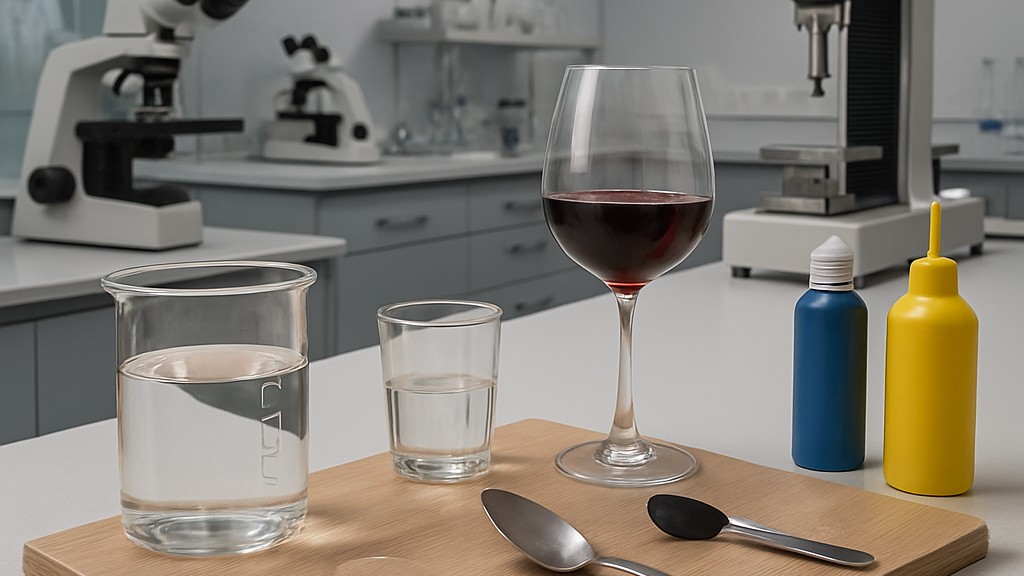
Additional test environments may be specified between the contracting parties as necessary. This standard provides a unified description of the behavior of furniture surfaces under the chemical stresses specified in product standards or in informative product marking.
This standard evaluates how well furniture surfaces resist damage from everyday substances like coffee, wine, detergents, or mustard. This standard is vital for manufacturers who aim to create furniture that is long-lasting, consumer-friendly, and maintains its appearance over time.
This standard typically tests furniture surfaces, such as veneered wood, laminate, or veneer, for their resistance to chemicals without discoloration, swelling, or structural damage. By simulating scenarios such as spilled drinks or cleaning accidents, it ensures that surfaces meet consumer expectations for longevity and aesthetics. Compliance with this standard often leads to high-durability certifications suitable for harsh environments such as kitchens or commercial spaces.
This standard evaluates how well furniture surfaces resist wear and tear caused by friction or rubbing. This is critical for surfaces like tabletops, countertops, or shelves that frequently come into contact with objects, are subject to cleaning, or are subject to human interaction. This standard ensures that finishes and materials maintain their appearance and structural integrity over time, even under heavy use.
The primary purpose of this standard is to simulate the abrasive forces that furniture surfaces encounter in daily use (such as wiping, sliding objects, or repetitive use). This is particularly important for:
The primary criterion is the number of wear cycles before significant wear occurs. For example, a Class 2B surface can withstand over 500 wear cycles with minimal damage, making it ideal for high-traffic environments. A loss of gloss or slight discoloration is acceptable, but complete wear of the substrate will result in a lower rating.
This standard evaluates the resistance of furniture surfaces to surface damage caused by sharp or pointed objects such as keys, utensils, or tools. This standard is critical to ensuring that furniture maintains its aesthetic and functional integrity in environments where accidental scratching is likely.
The primary purpose of the DIN 68861-4 standard is to simulate the mechanical stress caused by sharp objects in everyday scenarios, such as a knife sliding across a kitchen counter or a child dragging a toy across a table. It applies particularly to:
The principles of DIN 68861-6 have been integrated into holistic quality control, even after its withdrawal. Furniture coatings now have to multitask: resistance to chemicals, scratches, and heat, and resistance to cigarette burns are a subset of thermal resistance.
While concise, this standard highlights the meticulous science behind everyday objects. By simulating the dangers of careless ash, it ensures furniture not only looks beautiful but also withstands life's unpredictable sparks. For professionals in woodworking or veneering, revisiting these tests is key to innovation and safety.
This standard evaluates the resistance of furniture surfaces to damage from hot, dry objects, such as a hot coffee mug, casserole dish, or hair straightener. This standard is critical to ensuring that surfaces maintain their aesthetic and structural integrity in environments where heat exposure is common.
The main purpose of the DIN 68861-7 standard is to ensure that furniture surfaces (usually veneered wood, laminate or veneer) do not discolour, swell or deform by simulating the thermal stress caused by hot objects in daily use scenarios.
This standard is particularly important for:
DIN 68861-7 is a critical standard for ensuring furniture durability in environments exposed to heat. Surfaces that pass high-stress tests (e.g., 7B) can withstand contact with hot objects and maintain their appearance and functionality.
This standard is particularly valuable for:
In short, the DIN 68861-7 standard ensures that furniture surfaces, from steaming mugs to hot cookware, can withstand the heat of everyday life. By providing a standardized method for testing dry heat resistance, it enables manufacturers to deliver durable and visually appealing products that meet both consumer and regulatory expectations.
The main purpose of this standard is to ensure that furniture surfaces (usually veneered wood, laminate or veneer) do not fade, blister, swell or deform by simulating the thermal and moisture-induced stress caused by hot and wet objects in daily use scenarios.
This standard is particularly important for:
In short, the DIN 68861-8 standard ensures that furniture surfaces, from steam kettles to hot, damp dishes, can withstand the combined rigors of heat and humidity. By providing a standardized method for testing wet heat resistance, it enables manufacturers to deliver durable and visually appealing products that meet both consumer and regulatory expectations.
Our organization, which has been serving for many years and meticulously following global developments in science and technology, employs a skilled team and extensive infrastructure to conduct testing, measurement, and analysis in a wide range of areas for businesses across all sectors. In this context, we also provide testing services in accordance with the DIN 68861 Furniture Surfaces standard.
To get an appointment, to get more detailed information or to request an evaluation, you can ask us to fill in our form and reach you.

