

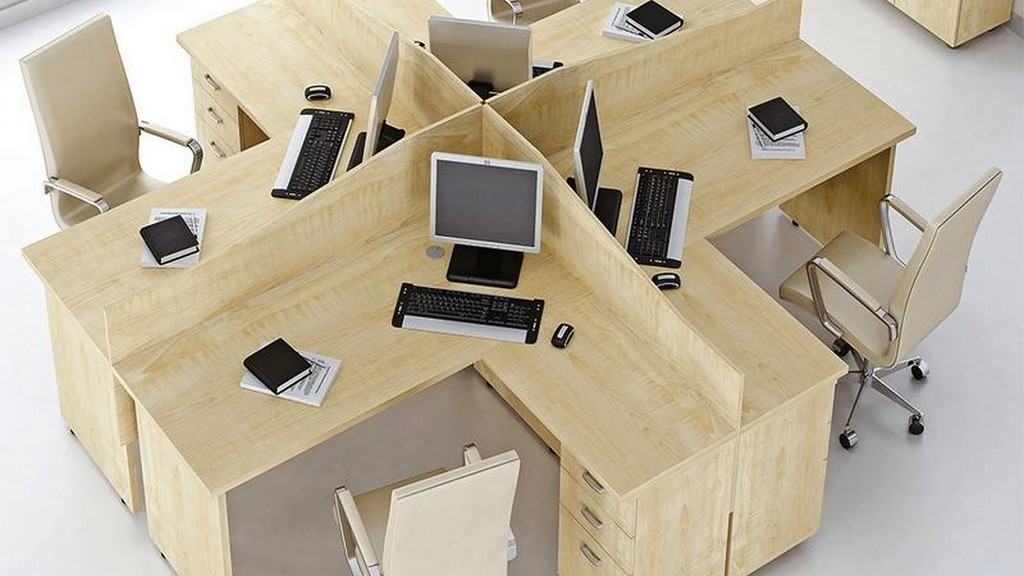
The standard “ANSI/BIFMA X7.1 Formaldehyde and TVOC emissions from low-emission office furniture and seating”, jointly published by the American National Standards Institute (ANSI) and the Commercial and Institutional Furniture Manufacturers Association (BIFMA), describes performance requirements for emissions of volatile organic compounds (VOCs), including formaldehyde and aldehydes, from office furniture systems and seating. This standard specifies acceptance levels that define low-emission furniture, regardless of construction materials, manufacturing processes, mechanical designs, or aesthetic designs. This standard is intended to be applied to a newly manufactured product and does not apply to products in use.
The term total volatile organic compounds (TVOC) is used to describe a group of compounds found in emissions or ambient air. These are chemical compounds that pollute the atmosphere with a certain volatility. The chemical properties of total volatile organic compounds vary greatly. It is essentially a complex mixture of hundreds of volatile organic compounds (VOCs). These can have a major impact on indoor air quality.
VOC emissions were selected from a variety of sources. In indoor environments, new furniture, office equipment, cleaning detergents, and a variety of products can release volatile organic compounds.
Indoor sources of TVOCs can also include: paints, fabrics, furniture, dyes, disinfectants, smoke and soaps. These organic compounds are hazardous and can be harmful if inhaled. The effects of total volatile organic compounds (TVOCs) are controlled by their chemical composition, exposure levels and ventilation of the environment. Their effects can range from sensory disturbance to serious health changes. Some are known carcinogens. Indoor VOC pollution is known to pose a carcinogenic risk to people who spend a lot of time indoors (World Health Organization, WHO).
High concentrations of total volatile organic compounds (VOCs) in enclosed spaces have been linked to sick building syndrome. The best way to protect the air from VOCs is to avoid chemicals and increase ventilation whenever possible or necessary.
Formaldehyde is a simple chemical made up of hydrogen, oxygen, and carbon. It occurs naturally and is the product of many natural processes. It is made by the human body and is found in the air. Plants and animals also produce formaldehyde. It is found in many fruits and vegetables. This chemical is quickly broken down and metabolized into simple carbon dioxide.
All types of trees, and therefore all wood products, contain and emit small amounts of formaldehyde. Since formaldehyde is naturally present in trees, there is no such thing as a formaldehyde-free tree. For example, an oak tree emits 0,009 parts per million (ppm) of formaldehyde. Every piece of wood cut from an oak tree, like all wood products, contains small amounts of formaldehyde.
Plywood and similar structural wood products are manufactured to meet stringent product standards. Wood products manufactured under these standards are designed for construction applications governed by building codes and are manufactured with moisture-resistant adhesives. Adhesives such as phenol formaldehyde and diphenylmethane diisocyanate react during pressing to form chemically stable bonds. The end products have such low formaldehyde emission levels that they easily meet or are exempt from the world’s leading formaldehyde emission standards and regulations.
The U.S. Environmental Protection Agency (EPA) "sets formaldehyde emission standards for composite wood panels and finished products made from these products. Composite panels are defined as particleboard, medium-density fiberboard (MDF), and hardwood (decorative) plywood.
Among the numerous testing, measurement, analysis and evaluation studies it has carried out for businesses in various sectors, our organization also provides testing services defined in the “ANSI/BIFMA X7.1 Formaldehyde and TVOC emissions of low-emission office furniture and seating groups” standard with its trained and expert staff and advanced technological equipment.
To get an appointment, to get more detailed information or to request an evaluation, you can ask us to fill in our form and reach you.

