

The European standard "EN 1217 Materials and products in contact with foodstuffs - Test methods for water absorption of ceramic products" describes test methods for determining the water absorption of ceramic products. This standard includes three test methods:
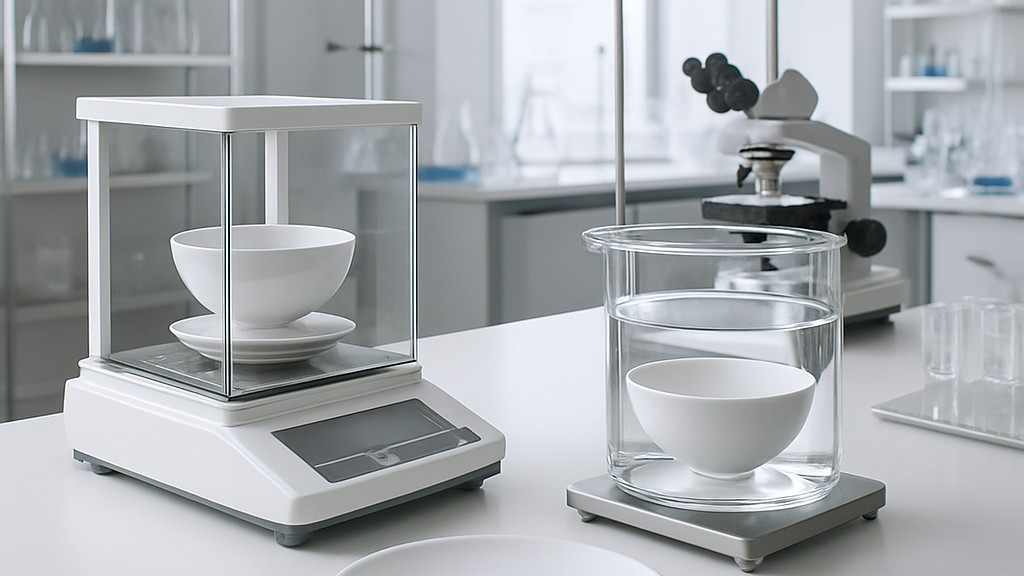
Very low water absorption values should preferably be determined by test method C.
Water absorption is a property of a hull and is related to the volume of interconnected pores that can be filled with water under immersion conditions in a water absorption test method. The volume of interconnected pores is also known as the open porosity of the hull.
Water absorption is generally an indicator of the degree of vitrification of the body of a ceramic product. The lower the water absorption, the higher the degree of vitrification. A high degree of vitrification is required for some categories of ceramic products to achieve important performance characteristics. Water absorption is one of the properties used to characterize different types of ceramic products.
Any of the three test methods may be used where appropriate, but method A is based on EU directive 679/72.
In principle, the mass increase is determined by immersion in water under controlled conditions and is expressed as a percentage of the mass of the dry test specimen.
European standards in food safety and material engineering play a crucial role in ensuring that products meet stringent quality and hygiene requirements. EN 1217 is one such standard. Published as a harmonized European standard, this standard provides a standardized procedure for assessing the porosity and water absorption properties of ceramic wares intended for direct or indirect contact with food. This is crucial because excessive water absorption can lead to bacterial growth, contamination, or structural deterioration in everyday items such as plates, glasses, and cookware.
The EN 1217 standard helps manufacturers comply with broader regulations, such as Regulation (EC) No. 1935/2004 on food contact materials, ensuring consumer safety and facilitating free trade within the single market. This standard remains essential for ceramic manufacturers, given the increasing scrutiny of sustainable and hygienic materials.
This standard is the result of collaboration between national standards organizations, industry experts, and regulatory authorities to address inconsistencies in national testing protocols.
Ceramics have long been preferred for food contact due to their durability, heat resistance, and inertness. However, their porous structure, resulting from cooking processes, can pose risks if left unchecked. The EN 1217 standard addresses this issue by focusing on water absorption as an indicator of porosity, which is associated with the leaching of harmful substances or moisture retention. This standard is part of the family of standards in the "EN 12xx" series for food contact materials and complements tests for heavy metals (EN 1388) and migration (EN 1186).
EN 1217 applies specifically to ceramic products such as tableware, ovenware, and decorative items intended for contact with foodstuffs. This standard does not cover glass-ceramic or highly glazed products, where absorption is negligible. This standard specifies a precise laboratory method for measuring water absorption, expressed as a percentage of the product's mass.
The test method is simple yet rigorous, designed for repeatability between laboratories, and follows these steps:
This standard also specifies equipment tolerances (e.g., 0,1 mg analytical balance accuracy) and environmental conditions to minimize variability. Annex A provides guidance on interpreting results for compliance with food safety regulations.
The performance criteria are as follows:
Failure to meet these criteria may result in non-compliance and denial of market access through CE marking.
The importance of EN 1217 extends beyond testing laboratories to global supply chains. For manufacturers, certification under this standard reduces liability in the event of contamination by demonstrating due diligence.
From a regulatory perspective, high water absorption can exacerbate issues such as lead or cadmium migration, which are addressed by complementary standards. In the post-pandemic hygiene-focused environment, adoption of the EN 1217 standard has rapidly increased, with industry reports indicating a 25 percent increase in testing volumes in Europe. The standard has also been aligned with its ISO equivalents.
Our organization, which has been operating for many years and meticulously follows global developments in science and technology, employs a team of experienced professionals and a broad infrastructure to conduct testing, measurement, and analysis in a wide range of areas for businesses across all sectors. In this context, we also provide testing services in accordance with the standard "EN 1217 Materials and Products Intended for Foodstuffs - Test Methods for Water Absorption of Ceramic Products."
To get an appointment, to get more detailed information or to request an evaluation, you can ask us to fill in our form and reach you.

