

In the EN 12182 standard, which is a European standard, general requirements for assistive products used by people with disabilities, which are medical devices, are explained and test methods are defined, according to the definition specified in the medical devices directive numbered 93/42/EEC published in European Union countries. This standard does not apply to auxiliary products that achieve their purpose by giving pharmaceutical substances to the user. Where other European standards exist for certain types of ancillary products, these standards are considered valid.
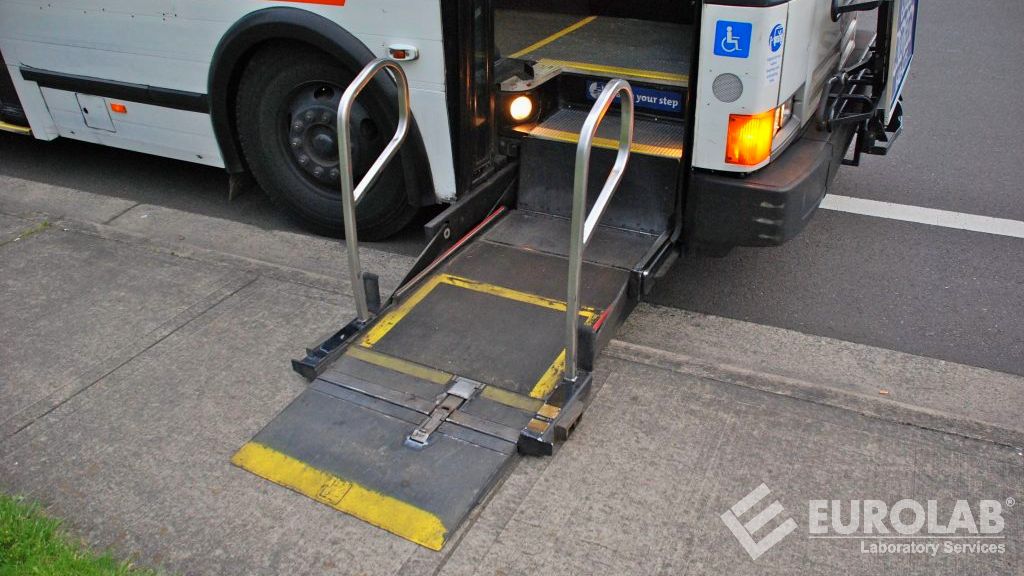
Devices covered by this standard are generally designed for disabled individuals with limited mobility in their lower limbs. These products are intended for patients with normal vision, grasping, and reading abilities. If the patient has impairments in any or all of these abilities, such devices are used with the assistance of a caregiver. These devices are designed as either manually operated or battery-powered. Manually operated devices rely on the user's ability to propel themselves using handwheels. Both manually operated and battery-powered devices can be used safely indoors (at home, school, or a shopping mall) and outdoors (on roads, sidewalks, or parks). However, their use on uneven or particularly soft and sandy surfaces, or on inclines exceeding 6%, is not recommended.
The general requirements for assistive devices for disabled persons, as defined in the EN 12182 standard, are given under the following headings:
Our organization, among the numerous test, measurement, analysis and evaluation studies it provides for businesses in various sectors, also provides testing services for auxiliary products designed for the use of disabled people within the scope of EN 12182 standard, with its trained and expert staff and advanced technological equipment.
To get an appointment, to get more detailed information or to request an evaluation, you can ask us to fill in our form and reach you.

