

The Canadian government standard "CAN/CGSB-4.2 No. 27.7 Textile test methods for burning resistance of mattresses - Cigarette test" describes a test method for evaluating the burning resistance of mattresses when in contact with a lit cigarette. This method covers only the resistance of mattresses to ignition by a lit cigarette and does not address their resistance to any other ignition source or fire.
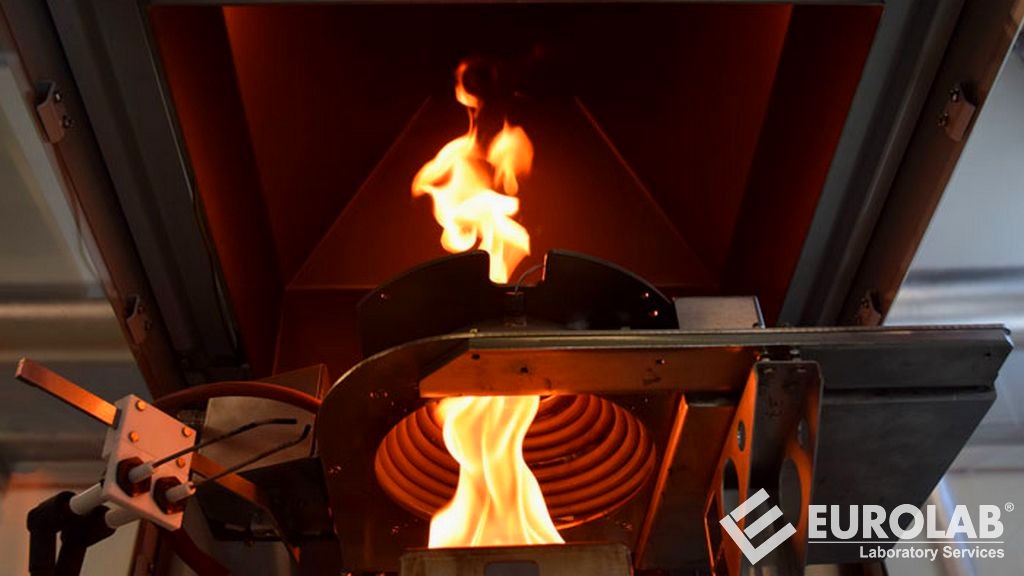
Before starting the tests, samples should be conditioned at 35% to 50% relative humidity and a temperature of 21°C (70°F) plus/minus 3°C (21°F) for at least 24 hours immediately prior to testing. Sample dimensions should be 300 mm x 300 mm x top 50 mm. Cigarettes used as ignition sources should also be conditioned under the same conditions after being removed from their packaging.
This test method measures:
The test involves placing a lit cigarette on the mattress surface and observing whether it ignites. In terms of ignition source, this standard expands the criteria for acceptable ignition sources by allowing cigarettes to be used based on percentage of full-length burn rather than burn rate. Observations focus on whether the mattress ignites, the degree of charring, and any sustained smoldering.
The test involves placing a lit cigarette on the surface of a mattress sample under controlled conditions to observe whether ignition occurs. Key aspects of the test include:
The combustion resistance of mattresses is important primarily for fire safety and public health, as mattresses can be a significant fuel source in home fires. Determining this resistance is important for the following reasons:
Standards similar to CAN/CGSB-4.2 No 27.7 help provide consistent methods for measuring safety and informing the public.
Our organization, which has been supporting businesses across all sectors for years through a wide range of testing, measurement, analysis, and evaluation activities, has a strong team of employees who closely follow global developments in science and technology and are constantly improving themselves. In this context, we also provide testing services in accordance with the "CAN/CGSB-4.2 No 27.7 Textile test methods for the combustion resistance of mattresses - Cigarette test" standard.
To get an appointment, to get more detailed information or to request an evaluation, you can ask us to fill in our form and reach you.

