

The EN 1103 standard, a European standard, provides test methods to determine the burning behavior of textiles for clothing before and after cleaning when tested using the surface flammability test defined in the EN ISO 6941 standard.
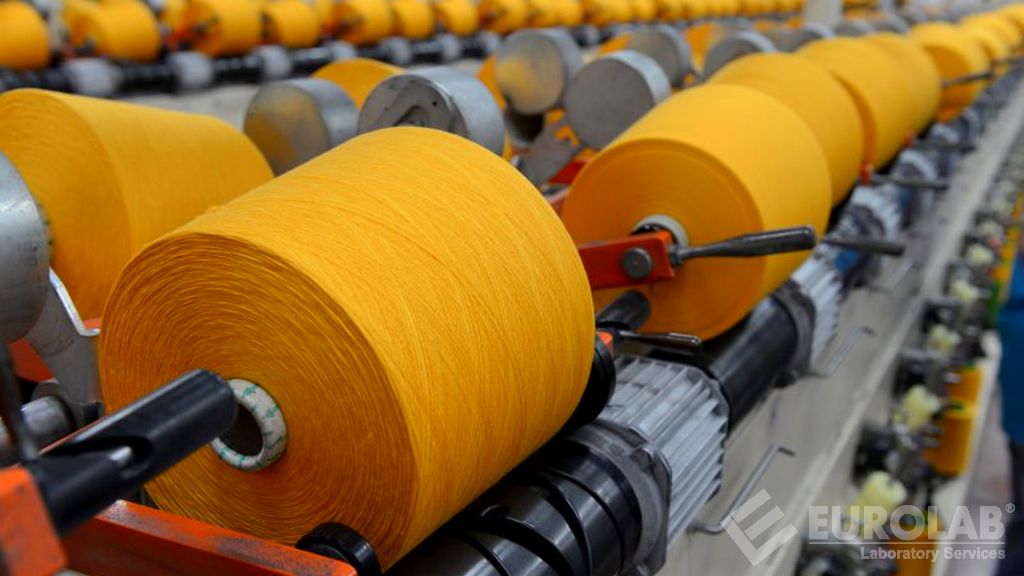
The way a fiber burns or melts, its smell when burned, and the type of ash or other residue it leaves behind give clues about the type of clothing fabric. Cellulose fabrics such as cotton, linen, hemp and bamboo ignite and burn quickly, leaving a bright ember after the flame is extinguished. Protein fibers such as silk, wool, and cashmere burn slowly and shrink from the flame. It produces very little smoke. Synthetic fibers such as nylon, polyester and acrylic, on the other hand, shrink, melt and drip from the flame when burned. Burning these fabrics produces black and dangerous fumes. Nylon fiber smells like plastic when burned, acrylics burn with a strong, pungent, chemical odor.
Combustion behavior tests are based on knowledge of how specific fibers burn. Characteristics observed during testing include: Do the fibers melt or burn? Do the fibers shrink in the flame? What kind of odor does the smoke have? What are the characteristics of the smoke? What does the residue of the burnt fibers look like?
Before starting the tests according to the EN 1103 standard, a one-time cleaning procedure is applied according to the EN ISO 6330 or ISO 3175 standards, when necessary. The tests are performed in accordance with the surface ignition test procedure defined in the EN ISO 6941 standard, with the following limitations: flame exposure time is 10 seconds, commercial gas propane is used, first and third marker thread is used. A piece of filter paper is placed horizontally under the test specimens on a flat surface. During the test, the time from the beginning of the application of the ignition flame to the cutting of the first signal thread and the time from the beginning of the application of the ignition flame to the cutting of the third signal thread are measured. If surface flashing has occurred, it is observed whether the filter paper is ignited.
Our organization, among the numerous test, measurement, analysis and evaluation studies it provides for businesses in various sectors, also provides testing services to determine the burning behavior of clothing fabrics within the scope of EN 1103 standard, with its trained and expert staff and advanced technological equipment.
To get an appointment, to get more detailed information or to request an evaluation, you can ask us to fill in our form and reach you.

