

The European standard "EN 12980 Materials and articles in contact with foodstuffs - Non-metallic articles for food, beverage and industrial use - Test method for determining impact resistance" describes a test method for determining the resistance to mechanical impact of materials used in the food and beverage industry and industrial services that are subject to significant and frequent impacts. It is recognized that the results of this test procedure depend on the details of the test conditions. Therefore, the results cannot be generalized to other kitchenware made of the same material or to other test conditions. The results are only valid for the product and test conditions specified in the test report.
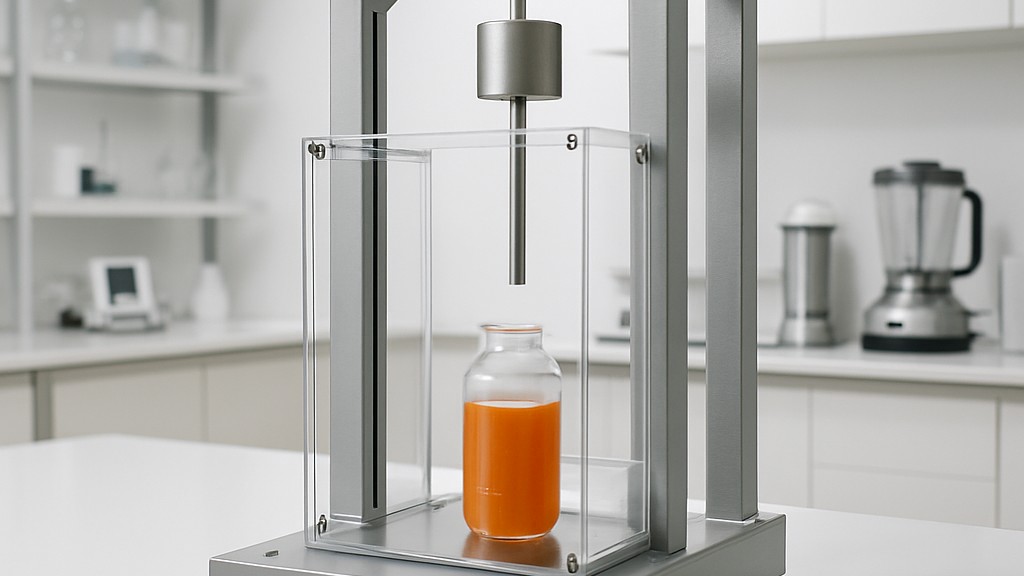
In the world of food safety and production, standards play a crucial role in ensuring that everyday items like plates, bowls, and industrial containers can withstand the rigors of use without compromising safety or functionality. EN 12980, one of the key European standards on this subject, provides a standardized test procedure for assessing how well non-metallic materials like plastics, ceramics, or composites withstand mechanical impact in high-use environments like restaurants, factories, and food processing plants.
Food contact materials are found everywhere, from cafeteria trays to mixing bowls in industrial kitchens. A single crack or break can not only lead to product failure but also pose hygiene risks, allowing contaminants to leach into food. The EN 12980 standard sets the benchmark by ensuring these materials are sufficiently resilient to real-world abuse. This standard has been harmonized across EU countries and has become a cornerstone for ensuring compliance with national practices in the European market.
The EN 12980 standard covers non-metallic products designed for repeated contact with food in industrial and industrial environments. This standard excludes metal products and focuses on products subjected to significant and frequent impacts during service, such as falling utensils or accidental bumps. The primary objective of the standard is to measure impact resistance (a key indicator of durability) using a controlled test method that simulates everyday impacts.
Target materials covered by this standard include rubber, glass-reinforced composites, melamine-formaldehyde resins, and other non-metallic materials used in tableware, storage containers, and processing equipment. This standard's primary application is in commercial kitchens, food processing plants, and institutional catering, where breakage could disrupt operations or endanger health. However, chemical migration (EN 13130) or general material composition are outside the scope of this standard. However, this standard complements broader food contact regulations, such as EU Regulation 1935/2004.
By standardising testing, the EN 12980 standard allows manufacturers to compare products objectively, helping buyers choose reliable suppliers and regulators ensure quality.
The EN 12980 standard essentially comprises a precise and repeatable laboratory procedure for assessing a part's ability to withstand impact without breaking. This method is simple yet rigorous, and results may vary depending on test conditions such as temperature, drop height, and sample preparation. The key steps of this method include:
This method utilizes broader mechanical testing principles similar to those in ISO 6603 for plastics, but has been adapted for food-grade non-metallic materials. This standard notes that the results of the described test procedure depend on the details of the test conditions and emphasizes the need for precise calibration.
The EN 12980 standard is not just a laboratory exercise; it's also a safeguard for public health and work efficiency. In the smelting industry, a break-resistant plate reduces injury risks and waste, while in the industry, it prevents costly downtime caused by defective equipment. Compliance with this standard demonstrates due diligence under EU food safety laws and aids certifications such as hazard analysis and critical control points (HACCP).
For manufacturers, this standard simplifies R&D efforts: by testing prototypes early, they can adjust formulations to meet specifications, such as adding impact modifiers to polypropylene. Retailers and auditors use the standard to increase confidence in the supply chain. Globally, it is referenced in trade agreements, impacting exports outside Europe.
Meanwhile, implementing the EN 12980 standard presents some challenges. Small manufacturers may not have sophisticated drop-testing equipment, and variability across material batches can skew results, requiring robust quality controls. It also doesn't address aging effects such as UV exposure or repeated sterilization, which could be addressed by supplementary standards.
In the future, with the increasing demand for biobased food contact materials, the EN 12980 standard may also be used to test hybrid composites.
Ultimately, this standard is an example of how targeted norms support a safer and more resilient food ecosystem.
Our organization, which has been operating for many years and meticulously follows global developments in science and technology, employs a team of experienced professionals and a broad infrastructure to conduct testing, measurement, and analysis in a wide range of areas for businesses across all sectors. In this context, we also provide testing services in accordance with the standard "EN 12980 Materials and articles intended for contact with foodstuffs - Non-metallic articles for food, beverage, and industrial use - Test method for determining impact resistance."
To get an appointment, to get more detailed information or to request an evaluation, you can ask us to fill in our form and reach you.

