

Expressions such as allergen-free or non-allergenic are predominantly spoken in the field of the food industry. Eight major allergens have been identified by the US Food and Drug Administration (FDA).
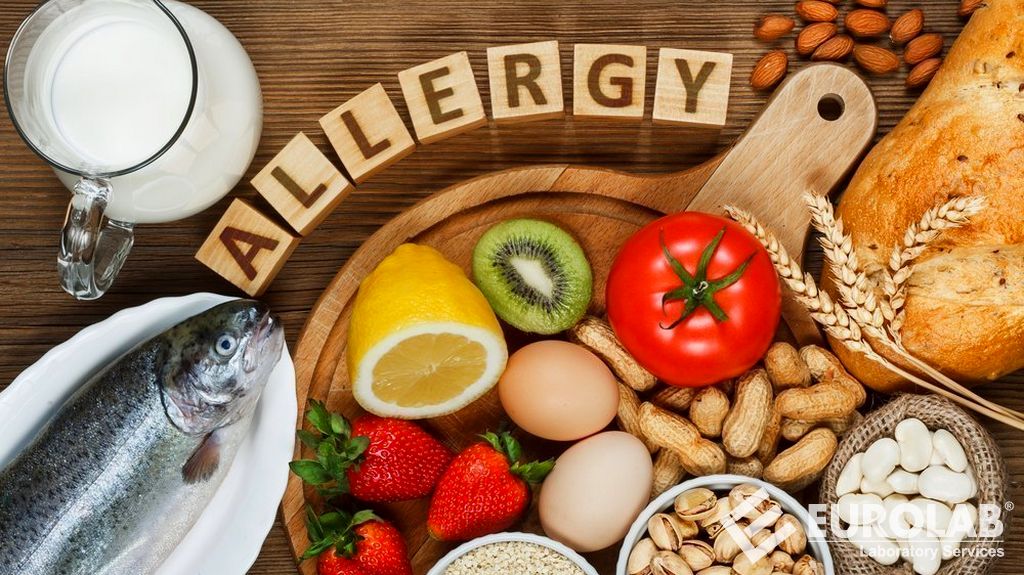
These allergens are: milk, wheat, egg, soy, shellfish, fish, tree nuts (including coconut) and peanuts. These eight allergens account for 90 percent of all food allergy reactions.
An allergen is any normally harmless substance that causes an immediate allergic reaction in a sensitive person. Food allergens are almost always proteins, although other food ingredients, such as some additives, are known to have allergenic properties.
Cross-reactivity can occur when a protein is similar to another protein that is an allergen. Proteins do not have to be in the same food. Some people have a latex allergy, which is associated with a number of food allergies such as bananas, avocados, apples, carrots, tomatoes, and melons. An allergy to tree pollen can also be associated with a fruit allergy. For example, people who are allergic to birch pollen are also allergic to apples, almonds, peaches, carrots, peppers and nuts.
A food allergy is an abnormal, exaggerated response of the immune system to certain foods. It involves the production of a particular type of antibody that reacts to a particular food ingredient and in doing so causes an allergic reaction.
Manufacturers who declare that there are no food allergen sources in the product, such as "does not contain food allergens", must be absolutely sure of this. The presence of a food allergen source can occur in one of the following ways: it can enter food through ingredients, or it can be cross-contaminated despite good manufacturing practices.
Allergen-free claims are particularly compelling. Because these foods appeal to consumers with food allergies and risk exposure to adverse reactions if these label claims are false or misleading. Allergen-free claims have no regulatory basis, or even industry consensus, as to what allergen-free actually means. The potential for immediate, serious health effects from false allergen labels is always high.
Among the numerous test, measurement, analysis and evaluation studies it provides for businesses in various sectors, our organization also provides non-allergenic testing services with its trained and expert staff and advanced technological equipment.
To get an appointment, to get more detailed information or to request an evaluation, you can ask us to fill in our form and reach you.

