

Honey contains antibiotics. Because antibiotics are used for the treatment of bacterial diseases in beekeeping. Antibiotic residues are mostly caused by the environment and wrong beekeeping practices. There are many international reports of antibiotic residues in honey samples.
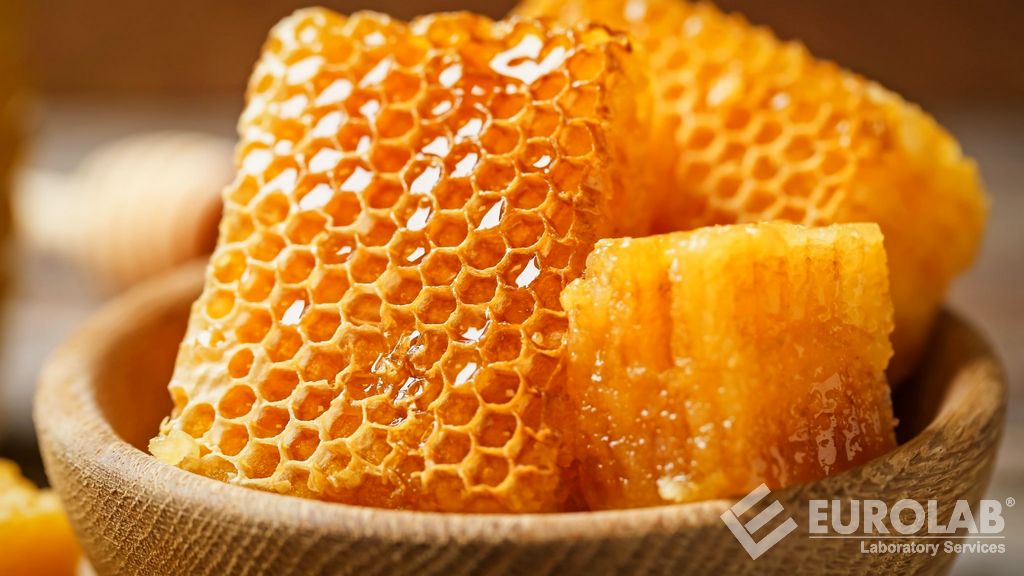
In agriculture and livestock, agricultural contamination with pesticides and antibiotics is a serious problem that needs to be fully addressed. Bee products such as honey are widely consumed as food and medicine, and their contamination poses serious health hazards. Honey and other bee products are contaminated with pesticides, heavy metals, bacteria and radioactive substances. It is known that pesticide residues cause genetic mutations and cellular degradation, antibiotics increase resistant human or animal pathogens.
Honey can be very toxic when produced from certain plants. Consuming honey without knowing its source and safety causes health problems. Honey should be labeled to investigate its origin, composition and a clear statement that it is free from contaminants. Honey that has not been analyzed and sterilized should not be given to babies, applied to wounds or used for medical purposes.
In addition to human health problems, the presence of pesticides and antibiotics in bee products reduces the quality of honey. According to the legal regulations published in the European Union countries, honey, which is a natural product, must be free from chemicals.
Tetracyclines, streptomycin, sulfonamides and chloramphenicol are the leading antibiotics used in the veterinary environment in the control of bee brood diseases. Beekeepers use relatively high doses of antibiotics to treat infections or low doses as growth promoters. Maximum residue limits have been established for most foods produced by animals treated with these antibiotics. However, no limit has been set for bee products such as honey.
Honey is subject to international trade and countries generally accept the standards set by Codex Alimentarius. However, countries such as European countries, USA, Canada and Australia have their own separate standards.
In short, the widespread use of antibiotics leads to the accumulation of antibiotic residues in honey, resulting in a decrease in quality. These residues have a relatively long half-life and have direct toxic effects on consumers.
Our organization also provides antibiotic residue analysis services in honey, with its trained and expert staff and advanced technological equipment, among the numerous test, measurement, analysis and evaluation studies it provides for businesses in various sectors.
To get an appointment, to get more detailed information or to request an evaluation, you can ask us to fill in our form and reach you.

