

Production of mycotoxins by various fungi in food and feed is an ever-present hazard that requires regular and reliable analytical testing. The ubiquitous presence of fungi in fields combined with uncontrollable growing conditions creates an environment conducive to the production of toxic secondary metabolites at any time. If this situation is left undetected during food production, it causes serious poisoning and even death in humans and animals.
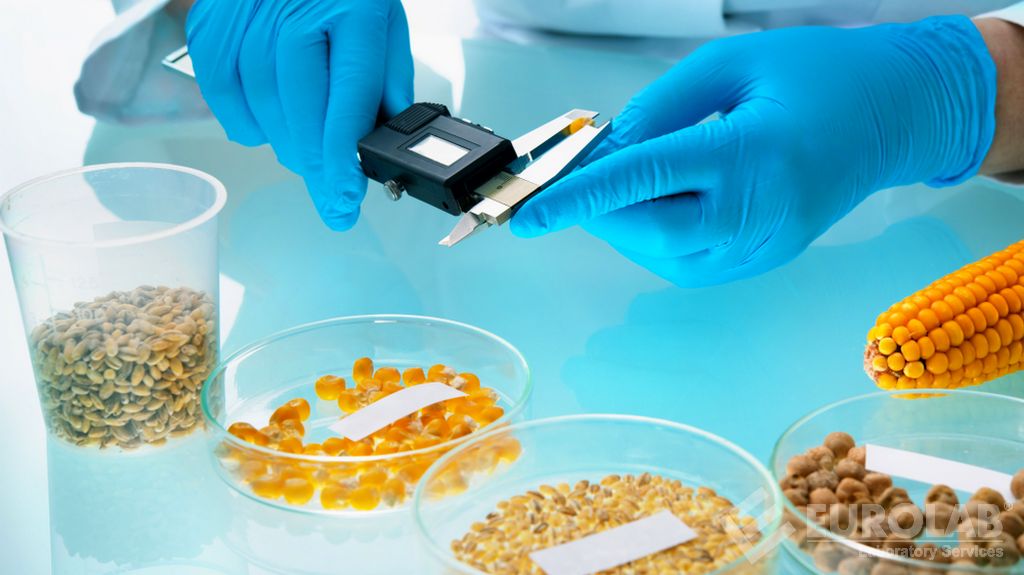
Mycotoxin chemistry is quite diverse. Some toxins are relatively harmless. However, some types such as aflatoxins, citrine, patulin and trichothecenes are very dangerous. Their growth and subsequent exposure to mycotoxins on grain and fruit, or contamination during further processing, is not always predictable. For this reason, analytical safety tests in food and feed are now needed in many countries. Reliable and precise testing is performed throughout the food supply chain in advanced laboratories.
Mycotoxins are biological toxins that contaminate food at very low concentrations. Some analytical methods are effective not only in detecting mycotoxins but also in identifying the fungi that produce them. The main test methods used to analyze and detect mycotoxins are: chromatographic techniques such as liquid chromatography coupled with fluorescence, diode array, UV, and mass spectrometry.
In the test, analysis, measurement and evaluation studies carried out in our organization, national and international standards and applicable legal regulations are complied with and reliable and impartial results are obtained. Mycotoxin detection services in food and feed are among the numerous tests carried out in this context.
To get an appointment, to get more detailed information or to request an evaluation, you can ask us to fill in our form and reach you.

